
Ransom: A Novel
Hardcover
• 416 Pages
• USD 32.00
• English
• 9780063384224
4.0
| 1 rating
|
| Publisher | Harper |
|---|---|
| Brand/Group | HarperCollins Publishers |
| ISBN13 | 9780063384224 |
| ASIN/SKU | 0063384221 |
| Book Format | Hardcover |
| Language | English |
| Pages | 416 |
| List Price | USD 32.00 |
| Series Title | Gabriel Allon |
| Publishing Date | 14/07/2026 |
| Dimensions | 6 x 1.29 x 9 inches |
| Weight | 1.38 pounds |
| Book Code | BD00054628 |
Buy this Book
Amazon Stores
Ebook Stores
Other Stores
Discover Ransom: A Novel by Daniel Silva. This book is published by Harper in Hardcover format, ISBN 9780063384224, ASIN 0063384221, under Mystery, Thriller and Suspense, Crime, Suspense.
Book Description
Art restorer and legendary spy Gabriel Allon searches for the missing wife of a British billionaire in the electrifying new tale of greed, corruption, and betrayal from #1 New York Times–bestselling novelist Daniel Silva.
Alice Winter, one of Britain’s most dazzling socialites, seemingly has the perfect life—a lavish home in posh Knightsbridge, a grand estate in Devon, millions of followers on social media who eagerly await her next post. But when she disappears without a trace while on holiday with three old friends from Cambridge, her desperate husband, the real estate baron Edward Knight, turns to none other than Gabriel Allon to find her.
He soon discovers that Alice Winter is not the woman she appears to be, that she has a reckless side, that she has secrets. But Edward Knight has a secret too, a secret so dangerous that Gabriel will have no choice but to return to the life he thought he had left behind. An old enemy lurks there, waiting for him to make one misstep, waiting for the perfect moment to exact vengeance.
From its irresistible opening chapters to its heart-pounding climax and shocking final twist, Ransom is a riveting, page-turning tour de force that proves yet again why Daniel Silva is the reigning master of international intrigue and suspense.
Alice Winter, one of Britain’s most dazzling socialites, seemingly has the perfect life—a lavish home in posh Knightsbridge, a grand estate in Devon, millions of followers on social media who eagerly await her next post. But when she disappears without a trace while on holiday with three old friends from Cambridge, her desperate husband, the real estate baron Edward Knight, turns to none other than Gabriel Allon to find her.
He soon discovers that Alice Winter is not the woman she appears to be, that she has a reckless side, that she has secrets. But Edward Knight has a secret too, a secret so dangerous that Gabriel will have no choice but to return to the life he thought he had left behind. An old enemy lurks there, waiting for him to make one misstep, waiting for the perfect moment to exact vengeance.
From its irresistible opening chapters to its heart-pounding climax and shocking final twist, Ransom is a riveting, page-turning tour de force that proves yet again why Daniel Silva is the reigning master of international intrigue and suspense.
Author Biography
Daniel Silva is the award-winning, #1 New York Times bestselling author of The Unlikely Spy, The Mark of the Assassin, The Marching Season, The Kill Artist, The English Assassin, The Confessor, A Death in Vienna, Prince of Fire, The Messenger, The Secret Servant, Moscow Rules, The Defector, The Rembrandt Affair, Portrait of a Spy, The Fallen Angel, The English Girl, The Heist, and The English Spy. His books are published in more than thirty countries and are bestsellers around the world. He serves on the United States Holocaust Memorial Council and lives in Florida with his wife, CNN special correspondent Jamie Gangel, and their two children, Lily and Nicholas.
Editorial Reviews
Editorial Reviews will be added soon…
Book Summary
Ransom by Daniel Silva is a fast-moving spy thriller centered on Gabriel Allon, the Israeli intelligence legend who is pulled back into danger when a kidnapping case exposes a larger web of corruption, deception, and political pressure. At its core, the novel combines the urgency of a rescue mission with the moral complexity that defines Silva’s long-running series. It is not just about finding a missing person; it is about the hidden costs of power, the damage caused by greed and revenge, and the way old enemies can return in new forms. As in many Gabriel Allon novels, the plot moves across international borders and high-level intelligence circles, but it is also grounded in deeply human stakes: loyalty, grief, duty, and the question of how far one should go to save another life.
The story begins with a kidnapping that quickly becomes entangled with criminal interests and political maneuvering. A child is taken, and the case is treated with the utmost urgency, not only because of the victim’s vulnerability but because of who is connected to the situation and what the kidnapping might reveal. Gabriel is drawn into the investigation because of his unique ability to operate between the worlds of intelligence, policing, and covert diplomacy. He is a restorer, a spy, and a man who understands both art and violence, and that combination makes him especially effective in situations where facts are hidden and motives are layered. As he begins to investigate, it becomes clear that the kidnapping is not an isolated act. It is tied to a larger conspiracy involving money, influence, and people who are willing to sacrifice others to protect themselves.
A major part of the novel’s tension comes from the way Silva builds the investigation. Gabriel does not simply chase clues; he must navigate competing agendas from governments, intelligence agencies, wealthy families, and dangerous criminals. Everyone seems to want something different from the case. Some want the child recovered alive. Others want embarrassing secrets buried. Some want revenge, and some want leverage. This creates a world in which truth is constantly under pressure. Gabriel has to rely on his instincts, his network of allies, and his understanding of how powerful people behave when they are frightened. The novel repeatedly shows that the most dangerous people are not always the ones with weapons in their hands, but the ones who can use institutions, money, and fear to shape events from the shadows.
As the investigation unfolds, Gabriel works with familiar allies and relies on his experience to connect scattered pieces of information. He is methodical, patient, and quietly relentless, and Silva presents him as a man who understands that in the intelligence world, mistakes can cost lives. The rescue mission becomes a race against time, but it is also an attempt to uncover the broader system that allowed the kidnapping to happen in the first place. That system includes corruption, exploitation, and the lingering effects of past crimes. The novel suggests that violence often has roots in older abuses that have never been fully confronted. By following the money, the motives, and the personal relationships behind the crime, Gabriel gradually uncovers a wider pattern of wrongdoing.
One of the strengths of “Ransom” is that it does not reduce its characters to simple categories of hero and villain. Even the people on the margins of the investigation are shaped by fear, regret, ambition, or survival. Some act out of love and desperation. Others are driven by greed or by a desire to protect a reputation built on lies. Silva uses these motivations to create a morally layered story in which each decision has consequences. Gabriel himself is not portrayed as invincible. He is brilliant and disciplined, but he is also deeply aware of the human cost of his work. Every mission carries the possibility of failure, and every success comes with a reminder that the world remains dangerous and unstable. This gives the novel emotional weight beyond its plot mechanics.
The kidnapping case also serves as a way to explore themes that recur throughout Silva’s work: justice versus vengeance, state secrecy versus moral responsibility, and the difference between legal authority and real ethical action. Governments and agencies in the novel are not always fully trustworthy, and bureaucratic caution can sometimes stand in the way of saving lives. Gabriel often has to act on his own judgment rather than wait for permission. This creates tension between institutional rules and personal conscience. He understands the value of intelligence work, but he also knows that institutions can be compromised, slow, or self-protective. The novel asks whether it is possible to do the right thing inside a system that is often designed to protect itself first.
At the same time, the story is deeply concerned with family and the emotional force of losing a child. The kidnapping is not just a political event or a tactical challenge; it is a human nightmare. Silva uses that emotional reality to keep the thriller grounded. The fear of the child’s parents, the uncertainty around the victim’s fate, and the pressure to act quickly all create a sense of urgency that drives the narrative. Gabriel’s efforts are not merely professional. They are shaped by empathy and by his understanding of how unbearable it is to wait helplessly while someone you love is in danger. That emotional connection helps explain why he is so determined, even when the odds are uncertain.
As the plot moves toward its climax, the layers of the conspiracy begin to collapse, and the true motives behind the kidnapping come into sharper focus. What first appeared to be a straightforward ransom case turns out to be part of something larger and more dangerous. Gabriel’s investigation exposes the hidden machinery behind the crime and forces the people involved to confront the consequences of what they have done. The resolution is shaped by Silva’s trademark combination of suspense and controlled realism: the action is sharp, but the emotional and moral aftermath matters just as much as the moment of rescue. The novel does not treat survival as the end of the story. Instead, it emphasizes the damage left behind and the price paid by everyone involved.
Ransom, Gabriel Allon once again proves why he remains one of the most compelling figures in modern espionage fiction. He is not just a spy who solves problems; he is a man who carries history, loss, and responsibility with him into every mission. The novel delivers the pleasures of a tightly constructed thriller—danger, intelligence, betrayal, and high stakes—but it also asks harder questions about how power works and what justice really looks like when the stakes are human lives. In that sense, “Ransom” is both an engrossing suspense novel and a reminder that in Daniel Silva’s world, the most important battles are often fought in the space between truth and concealment, duty and conscience, fear and courage.
The story begins with a kidnapping that quickly becomes entangled with criminal interests and political maneuvering. A child is taken, and the case is treated with the utmost urgency, not only because of the victim’s vulnerability but because of who is connected to the situation and what the kidnapping might reveal. Gabriel is drawn into the investigation because of his unique ability to operate between the worlds of intelligence, policing, and covert diplomacy. He is a restorer, a spy, and a man who understands both art and violence, and that combination makes him especially effective in situations where facts are hidden and motives are layered. As he begins to investigate, it becomes clear that the kidnapping is not an isolated act. It is tied to a larger conspiracy involving money, influence, and people who are willing to sacrifice others to protect themselves.
A major part of the novel’s tension comes from the way Silva builds the investigation. Gabriel does not simply chase clues; he must navigate competing agendas from governments, intelligence agencies, wealthy families, and dangerous criminals. Everyone seems to want something different from the case. Some want the child recovered alive. Others want embarrassing secrets buried. Some want revenge, and some want leverage. This creates a world in which truth is constantly under pressure. Gabriel has to rely on his instincts, his network of allies, and his understanding of how powerful people behave when they are frightened. The novel repeatedly shows that the most dangerous people are not always the ones with weapons in their hands, but the ones who can use institutions, money, and fear to shape events from the shadows.
As the investigation unfolds, Gabriel works with familiar allies and relies on his experience to connect scattered pieces of information. He is methodical, patient, and quietly relentless, and Silva presents him as a man who understands that in the intelligence world, mistakes can cost lives. The rescue mission becomes a race against time, but it is also an attempt to uncover the broader system that allowed the kidnapping to happen in the first place. That system includes corruption, exploitation, and the lingering effects of past crimes. The novel suggests that violence often has roots in older abuses that have never been fully confronted. By following the money, the motives, and the personal relationships behind the crime, Gabriel gradually uncovers a wider pattern of wrongdoing.
One of the strengths of “Ransom” is that it does not reduce its characters to simple categories of hero and villain. Even the people on the margins of the investigation are shaped by fear, regret, ambition, or survival. Some act out of love and desperation. Others are driven by greed or by a desire to protect a reputation built on lies. Silva uses these motivations to create a morally layered story in which each decision has consequences. Gabriel himself is not portrayed as invincible. He is brilliant and disciplined, but he is also deeply aware of the human cost of his work. Every mission carries the possibility of failure, and every success comes with a reminder that the world remains dangerous and unstable. This gives the novel emotional weight beyond its plot mechanics.
The kidnapping case also serves as a way to explore themes that recur throughout Silva’s work: justice versus vengeance, state secrecy versus moral responsibility, and the difference between legal authority and real ethical action. Governments and agencies in the novel are not always fully trustworthy, and bureaucratic caution can sometimes stand in the way of saving lives. Gabriel often has to act on his own judgment rather than wait for permission. This creates tension between institutional rules and personal conscience. He understands the value of intelligence work, but he also knows that institutions can be compromised, slow, or self-protective. The novel asks whether it is possible to do the right thing inside a system that is often designed to protect itself first.
At the same time, the story is deeply concerned with family and the emotional force of losing a child. The kidnapping is not just a political event or a tactical challenge; it is a human nightmare. Silva uses that emotional reality to keep the thriller grounded. The fear of the child’s parents, the uncertainty around the victim’s fate, and the pressure to act quickly all create a sense of urgency that drives the narrative. Gabriel’s efforts are not merely professional. They are shaped by empathy and by his understanding of how unbearable it is to wait helplessly while someone you love is in danger. That emotional connection helps explain why he is so determined, even when the odds are uncertain.
As the plot moves toward its climax, the layers of the conspiracy begin to collapse, and the true motives behind the kidnapping come into sharper focus. What first appeared to be a straightforward ransom case turns out to be part of something larger and more dangerous. Gabriel’s investigation exposes the hidden machinery behind the crime and forces the people involved to confront the consequences of what they have done. The resolution is shaped by Silva’s trademark combination of suspense and controlled realism: the action is sharp, but the emotional and moral aftermath matters just as much as the moment of rescue. The novel does not treat survival as the end of the story. Instead, it emphasizes the damage left behind and the price paid by everyone involved.
Ransom, Gabriel Allon once again proves why he remains one of the most compelling figures in modern espionage fiction. He is not just a spy who solves problems; he is a man who carries history, loss, and responsibility with him into every mission. The novel delivers the pleasures of a tightly constructed thriller—danger, intelligence, betrayal, and high stakes—but it also asks harder questions about how power works and what justice really looks like when the stakes are human lives. In that sense, “Ransom” is both an engrossing suspense novel and a reminder that in Daniel Silva’s world, the most important battles are often fought in the space between truth and concealment, duty and conscience, fear and courage.
Sample Chapters
Sample Chapters will be added soon…
Reader Reviews
Jennifer
07-08-2026
Ransom by Daniel Silva is a fast-paced thriller that combines international intrigue, high-stakes suspense, and well-crafted espionage. Known for his intelligent storytelling, Silva delivers a gripping novel filled with unexpected twists, dangerous missions, and complex political conflicts. The story keeps readers engaged from the opening chapters, steadily building tension as the stakes continue to rise.
One of the novel's greatest strengths is its strong cast of characters. They are skilled, believable, and driven by clear motivations, making their decisions feel realistic even in the most dangerous situations. Silva also pays close attention to detail, giving the story an authentic feel without overwhelming readers with unnecessary technical information.
The pacing is brisk, with short chapters and frequent surprises that make it difficult to put the book down. While some plot developments require careful attention, the overall narrative remains accessible and rewarding. Fans of espionage fiction will especially appreciate the blend of action, strategy, and emotional depth.
Overall, Ransom is an entertaining and well-written thriller that showcases Daniel Silva's talent for creating intelligent, suspenseful stories. It is an excellent choice for readers who enjoy spy novels, international conspiracies, and page-turning suspense filled with memorable characters and compelling twists.
Ransom: A Novel
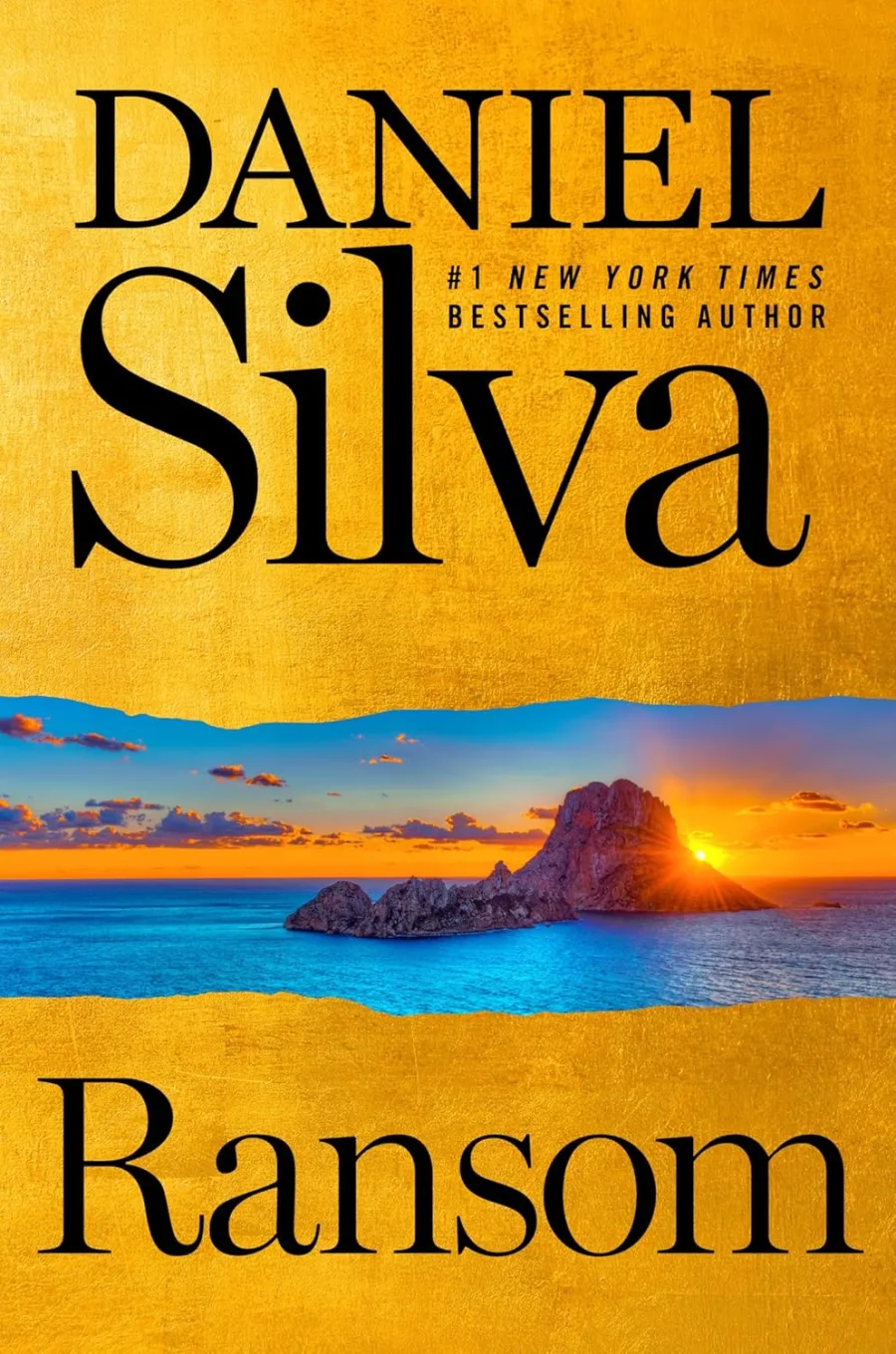
Download Cover Image
Do you want to download the full cover image for Ransom: A Novel?