
Eleanor Oliphant Is Completely Fine: Reese's Book Club: A Novel
Paperback
• 352 Pages
• USD 20.00
• English
• 9780735220690
No ratings yet
| Publisher | Penguin Books |
|---|---|
| ISBN13 | 9780735220690 |
| ASIN/SKU | 0735220697 |
| Book Format | Paperback |
| Language | English |
| Pages | 352 |
| List Price | USD 20.00 |
| Publishing Date | 05/06/2018 |
| Dimensions | 5.3 x 0.72 x 7.9 inches |
| Weight | 2.31 pounds |
| Book Code | BD00055311 |
Buy this Book
Amazon Stores
Ebook Stores
Other Stores
Discover Eleanor Oliphant Is Completely Fine: Reese's Book Club: A Novel by Gail Honeyman. This book is published by Penguin Books in Paperback format, ISBN 9780735220690, ASIN 0735220697, under Literature and Fiction, British and Irish Humor and Satire, Contemporary British and Irish Literature.
Book Description
#1 NEW YORK TIMES BESTSELLER
A Reese Witherspoon Book Club Pick
“Beautifully written and incredibly funny, Eleanor Oliphant Is Completely Fine is about the importance of friendship and human connection. I fell in love with Eleanor, an eccentric and regimented loner whose life beautifully unfolds after a chance encounter with a stranger; I think you will fall in love, too!” —Reese Witherspoon
No one’s ever told Eleanor that life should be better than fine.
Meet Eleanor Oliphant: She struggles with appropriate social skills and tends to say exactly what she’s thinking. Nothing is missing in her carefully timetabled life of avoiding social interactions, where weekends are punctuated by frozen pizza, vodka, and phone chats with Mummy.
But everything changes when Eleanor meets Raymond, the bumbling and deeply unhygienic IT guy from her office. When she and Raymond together save Sammy, an elderly gentleman who has fallen on the sidewalk, the three become the kinds of friends who rescue one another from the lives of isolation they have each been living. And it is Raymond’s big heart that will ultimately help Eleanor find the way to repair her own profoundly damaged one.
Soon to be a major motion picture produced by Reese Witherspoon, Eleanor Oliphant Is Completely Fine is the smart, warm, and uplifting story of an out-of-the-ordinary heroine whose deadpan weirdness and unconscious wit make for an irresistible journey as she realizes. . .
The only way to survive is to open your heart.
A Reese Witherspoon Book Club Pick
“Beautifully written and incredibly funny, Eleanor Oliphant Is Completely Fine is about the importance of friendship and human connection. I fell in love with Eleanor, an eccentric and regimented loner whose life beautifully unfolds after a chance encounter with a stranger; I think you will fall in love, too!” —Reese Witherspoon
No one’s ever told Eleanor that life should be better than fine.
Meet Eleanor Oliphant: She struggles with appropriate social skills and tends to say exactly what she’s thinking. Nothing is missing in her carefully timetabled life of avoiding social interactions, where weekends are punctuated by frozen pizza, vodka, and phone chats with Mummy.
But everything changes when Eleanor meets Raymond, the bumbling and deeply unhygienic IT guy from her office. When she and Raymond together save Sammy, an elderly gentleman who has fallen on the sidewalk, the three become the kinds of friends who rescue one another from the lives of isolation they have each been living. And it is Raymond’s big heart that will ultimately help Eleanor find the way to repair her own profoundly damaged one.
Soon to be a major motion picture produced by Reese Witherspoon, Eleanor Oliphant Is Completely Fine is the smart, warm, and uplifting story of an out-of-the-ordinary heroine whose deadpan weirdness and unconscious wit make for an irresistible journey as she realizes. . .
The only way to survive is to open your heart.
Author Biography
Gail Honeyman is a graduate of the universities of Glasgow and Oxford. Eleanor Oliphant Is Completely Fine is a #1 New York Times bestseller, and has won awards around the globe, including the Costa First Novel Award, the British Book Awards Book of the Year, and the BAMB Reader’s Choice Award. This is Honeyman's debut novel and she lives in Glasgow, Scotland.
Editorial Reviews
“A charmer. . . satisfyingly quirky.”—Janet Maslin, The New York Times
"This wacky, charming novel. . . draws you in with humor, then turns out to contain both a suspenseful subplot and a sweet romance. . . Hilarious and moving." —People
“Eleanor Oliphant is a quirky loner and a model of efficiency with her routine of frozen pizza, vodka and weekly phone calls with Mummy. [She’s] a woman beginning to heal from unimaginable tragedy, with a voice that is deadpan, heartbreaking and humorous all at once.” –NPR.org
"Simultaneously hilarious and heartbreaking. . . Eleanor Oliphant may be completely fine, but this book is completely wonderful." --PureWow
"Warm and funny. . . You'll want to read it."—TheSkimm
“Eleanor Oliphant[is] the kind of book you’ll want to devour in a single sitting.” --Vox
“Warm and uplifting." --POPSUGAR
“Sweet and satisfying, Eleanor Oliphant Is Completely Fine will speak to introverts who have ever felt a little weird about their place in the world.” --Bustle
"Eleanor Oliphant is a truly original literary creation: funny, touching, and unpredictable. Her journey out of dark shadows is expertly woven and absolutely gripping." --Jojo Moyes, #1 New York Times bestselling author of Me Before You
“[Eleanor Oliphant Is Completely Fine] made me laugh, it made me cry, and the entire time I beamed with joy at the beauty of this story.” –Krysten Ritter, actress, producer, and author of Bonfire
“Move over, Ove (in Fredrik Backman’s A Man Called Ove)—there’s a new curmudgeon to love. . . Walking in Eleanor’s practical black Velcro shoes is delightfully amusing. But readers will also be drawn in by her tragic backstory, which slowly reveals how she came to be so entirely Eleanor. Witty, charming, and heartwarming, Eleanor Oliphant Is Completely Fine is a remarkable debut about a singular woman. Readers will cheer.” --Booklist(starred review)
"Astounding." --PopMatters
“Eleanor Oliphant is endearing, [a] whip-smart read. . . a fascinating story about loneliness, hope, tragedy and humanity. Honeyman’s delivery is wickedly good, and Eleanor won’t leave you anytime soon." --Associated Press
"Honeyman’s endearing debut is part comic novel, part emotional thriller, and part love story. . . hilarious, deadpan, and irresistible." --Kirkus Reviews
“[A] captivating debut. . . This is a must-read for those who love characters with quirks.” --BookPage
“If you thought Fredrik Backman’s Ove was a charming curmudgeon, you’ll instantly fall for Eleanor.” --Hello Giggles
"The book is wonderfully, quirkily funny. You both ache for Eleanor. . . and laugh with her."--Seattle Times
“A touching, funny novel." --Minneapolis Star Tribune
"This wacky, charming novel. . . draws you in with humor, then turns out to contain both a suspenseful subplot and a sweet romance. . . Hilarious and moving." —People
“Eleanor Oliphant is a quirky loner and a model of efficiency with her routine of frozen pizza, vodka and weekly phone calls with Mummy. [She’s] a woman beginning to heal from unimaginable tragedy, with a voice that is deadpan, heartbreaking and humorous all at once.” –NPR.org
"Simultaneously hilarious and heartbreaking. . . Eleanor Oliphant may be completely fine, but this book is completely wonderful." --PureWow
"Warm and funny. . . You'll want to read it."—TheSkimm
“Eleanor Oliphant[is] the kind of book you’ll want to devour in a single sitting.” --Vox
“Warm and uplifting." --POPSUGAR
“Sweet and satisfying, Eleanor Oliphant Is Completely Fine will speak to introverts who have ever felt a little weird about their place in the world.” --Bustle
"Eleanor Oliphant is a truly original literary creation: funny, touching, and unpredictable. Her journey out of dark shadows is expertly woven and absolutely gripping." --Jojo Moyes, #1 New York Times bestselling author of Me Before You
“[Eleanor Oliphant Is Completely Fine] made me laugh, it made me cry, and the entire time I beamed with joy at the beauty of this story.” –Krysten Ritter, actress, producer, and author of Bonfire
“Move over, Ove (in Fredrik Backman’s A Man Called Ove)—there’s a new curmudgeon to love. . . Walking in Eleanor’s practical black Velcro shoes is delightfully amusing. But readers will also be drawn in by her tragic backstory, which slowly reveals how she came to be so entirely Eleanor. Witty, charming, and heartwarming, Eleanor Oliphant Is Completely Fine is a remarkable debut about a singular woman. Readers will cheer.” --Booklist(starred review)
"Astounding." --PopMatters
“Eleanor Oliphant is endearing, [a] whip-smart read. . . a fascinating story about loneliness, hope, tragedy and humanity. Honeyman’s delivery is wickedly good, and Eleanor won’t leave you anytime soon." --Associated Press
"Honeyman’s endearing debut is part comic novel, part emotional thriller, and part love story. . . hilarious, deadpan, and irresistible." --Kirkus Reviews
“[A] captivating debut. . . This is a must-read for those who love characters with quirks.” --BookPage
“If you thought Fredrik Backman’s Ove was a charming curmudgeon, you’ll instantly fall for Eleanor.” --Hello Giggles
"The book is wonderfully, quirkily funny. You both ache for Eleanor. . . and laugh with her."--Seattle Times
“A touching, funny novel." --Minneapolis Star Tribune
Book Summary
Eleanor Oliphant Is Completely Fine is a moving and often darkly funny novel about loneliness, trauma, and the slow, difficult process of learning how to live. At the center of the story is Eleanor Oliphant, a socially awkward woman in her late twenties who works a steady office job, keeps to herself, and lives by a strict routine that leaves little room for change. She tells herself, and everyone else, that she is completely fine, but from the beginning it is clear that her life is built around isolation, emotional pain, and habits that help her avoid facing the truth about her past.
Eleanor’s world is small and carefully controlled. She eats the same foods, drinks heavily on weekends, and avoids most social contact. Her thoughts are sharp, literal, and often unintentionally hilarious, which gives the novel much of its charm, but beneath that humor is deep sadness. Eleanor does not have close friends, and she struggles to understand ordinary social behavior. She often seems detached from the world around her, as if she is living behind a wall she has built for herself. As the story unfolds, it becomes clear that this detachment is not simply eccentricity. It is a survival mechanism created by years of neglect and abuse.
A major turning point comes when Eleanor develops an intense crush on a local musician, Johnnie Lomond. Convinced that he is destined to be the love of her life, she begins a strange and hopeful project of transformation. She changes her appearance, buys new clothes, learns about makeup, and imagines a future in which a romantic relationship will solve the emptiness in her life. At first, this obsession seems almost comic, but it also shows how desperately Eleanor longs for connection and meaning. She does not just want a boyfriend; she wants proof that she can be wanted, chosen, and loved.
While Eleanor is caught up in her fantasy about Johnnie, she unexpectedly begins to form a real connection with Raymond, a kind and slightly awkward coworker from the IT department. Their relationship starts in a simple, practical way when they help an elderly man, Sammy, who collapses on the street. That act of kindness leads to further contact with Sammy and his family, and gradually Eleanor is pulled into a wider circle of human relationships. Raymond does not force Eleanor to become someone else. Instead, he offers patience, friendship, and the kind of steady presence she has never really known. Through him, the novel shows how healing can begin through ordinary acts of care.
As Eleanor spends more time with Raymond and others, the cracks in her emotional armor begin to show. She drinks too much, misreads situations, and repeatedly falls back into old patterns of self-protection. Her longing for Johnnie continues, but the fantasy starts to look less like love and more like a way of escaping from deeper pain. The novel slowly reveals that Eleanor’s past is tied to profound trauma, especially involving her mother. Through fragments of memory and therapy, readers learn that Eleanor was shaped by emotional cruelty and isolation from a very young age. The childhood story that emerges is painful and tragic, and it explains much of her fear, shame, and need to control her life so tightly.
One of the novel’s most powerful elements is the way it handles Eleanor’s psychology. She is not presented as broken in a simplistic sense. Instead, she is shown as a person who has adapted to damage by becoming rigid, self-reliant, and emotionally distant. Her voice is intelligent and often comic, but the humor never fully hides the depth of her suffering. The book makes clear that trauma can distort a person’s sense of self so thoroughly that even basic kindness can feel unfamiliar or threatening. Eleanor does not trust love because she has never had reason to trust it.
The story reaches its most difficult point when Eleanor falls into a dangerous emotional collapse after one of her biggest disappointments. Her fantasy life begins to crumble, and she is forced to confront her loneliness in a raw and painful way. At her lowest moment, Raymond and others help save her, and this becomes a turning point in the novel. She begins therapy with Dr. Temple, who helps her slowly confront the truth about her childhood and the lies she has told herself in order to survive. The therapeutic process is not easy or instant, but it gives Eleanor a path toward recovery that does not depend on pretending everything is fine.
As Eleanor begins to face her past, she also starts to make room for real connection in the present. She learns that friendship, honesty, and small gestures of care can matter more than fantasy or perfection. Her relationship with Raymond becomes especially important because it is built on mutual acceptance rather than idealization. He sees her clearly, including her oddness and her pain, and he still values her. That experience helps Eleanor begin to see herself differently too. She starts to understand that her life does not need to be beautiful or dramatic to be meaningful.
By the end of the novel, Eleanor is still imperfect, still wounded, and still learning how to live, but she is no longer trapped in the same isolation. She has taken the first real steps toward healing, not by erasing the past, but by finally confronting it. The title becomes deeply ironic, because Eleanor is not completely fine in the way she once claimed, yet she is beginning to become something better: honest, connected, and human. The novel ends with hope, not because everything is fixed, but because Eleanor has finally opened herself to the possibility of change.
Overall, Eleanor Oliphant Is Completely Fine is a compassionate portrait of a woman rebuilding her life after emotional devastation. It balances sadness and wit, showing how loneliness can harden a person, but also how friendship, therapy, and courage can slowly bring them back to life. It is a story about survival, but more than that, it is a story about learning that being seen by others, and by yourself, is the first step toward healing.
Eleanor’s world is small and carefully controlled. She eats the same foods, drinks heavily on weekends, and avoids most social contact. Her thoughts are sharp, literal, and often unintentionally hilarious, which gives the novel much of its charm, but beneath that humor is deep sadness. Eleanor does not have close friends, and she struggles to understand ordinary social behavior. She often seems detached from the world around her, as if she is living behind a wall she has built for herself. As the story unfolds, it becomes clear that this detachment is not simply eccentricity. It is a survival mechanism created by years of neglect and abuse.
A major turning point comes when Eleanor develops an intense crush on a local musician, Johnnie Lomond. Convinced that he is destined to be the love of her life, she begins a strange and hopeful project of transformation. She changes her appearance, buys new clothes, learns about makeup, and imagines a future in which a romantic relationship will solve the emptiness in her life. At first, this obsession seems almost comic, but it also shows how desperately Eleanor longs for connection and meaning. She does not just want a boyfriend; she wants proof that she can be wanted, chosen, and loved.
While Eleanor is caught up in her fantasy about Johnnie, she unexpectedly begins to form a real connection with Raymond, a kind and slightly awkward coworker from the IT department. Their relationship starts in a simple, practical way when they help an elderly man, Sammy, who collapses on the street. That act of kindness leads to further contact with Sammy and his family, and gradually Eleanor is pulled into a wider circle of human relationships. Raymond does not force Eleanor to become someone else. Instead, he offers patience, friendship, and the kind of steady presence she has never really known. Through him, the novel shows how healing can begin through ordinary acts of care.
As Eleanor spends more time with Raymond and others, the cracks in her emotional armor begin to show. She drinks too much, misreads situations, and repeatedly falls back into old patterns of self-protection. Her longing for Johnnie continues, but the fantasy starts to look less like love and more like a way of escaping from deeper pain. The novel slowly reveals that Eleanor’s past is tied to profound trauma, especially involving her mother. Through fragments of memory and therapy, readers learn that Eleanor was shaped by emotional cruelty and isolation from a very young age. The childhood story that emerges is painful and tragic, and it explains much of her fear, shame, and need to control her life so tightly.
One of the novel’s most powerful elements is the way it handles Eleanor’s psychology. She is not presented as broken in a simplistic sense. Instead, she is shown as a person who has adapted to damage by becoming rigid, self-reliant, and emotionally distant. Her voice is intelligent and often comic, but the humor never fully hides the depth of her suffering. The book makes clear that trauma can distort a person’s sense of self so thoroughly that even basic kindness can feel unfamiliar or threatening. Eleanor does not trust love because she has never had reason to trust it.
The story reaches its most difficult point when Eleanor falls into a dangerous emotional collapse after one of her biggest disappointments. Her fantasy life begins to crumble, and she is forced to confront her loneliness in a raw and painful way. At her lowest moment, Raymond and others help save her, and this becomes a turning point in the novel. She begins therapy with Dr. Temple, who helps her slowly confront the truth about her childhood and the lies she has told herself in order to survive. The therapeutic process is not easy or instant, but it gives Eleanor a path toward recovery that does not depend on pretending everything is fine.
As Eleanor begins to face her past, she also starts to make room for real connection in the present. She learns that friendship, honesty, and small gestures of care can matter more than fantasy or perfection. Her relationship with Raymond becomes especially important because it is built on mutual acceptance rather than idealization. He sees her clearly, including her oddness and her pain, and he still values her. That experience helps Eleanor begin to see herself differently too. She starts to understand that her life does not need to be beautiful or dramatic to be meaningful.
By the end of the novel, Eleanor is still imperfect, still wounded, and still learning how to live, but she is no longer trapped in the same isolation. She has taken the first real steps toward healing, not by erasing the past, but by finally confronting it. The title becomes deeply ironic, because Eleanor is not completely fine in the way she once claimed, yet she is beginning to become something better: honest, connected, and human. The novel ends with hope, not because everything is fixed, but because Eleanor has finally opened herself to the possibility of change.
Overall, Eleanor Oliphant Is Completely Fine is a compassionate portrait of a woman rebuilding her life after emotional devastation. It balances sadness and wit, showing how loneliness can harden a person, but also how friendship, therapy, and courage can slowly bring them back to life. It is a story about survival, but more than that, it is a story about learning that being seen by others, and by yourself, is the first step toward healing.
Sample Chapters
Sample Chapters will be added soon…
Reader Reviews
No reviews yet.
Eleanor Oliphant Is Completely Fine: Reese's Book Club: A Novel
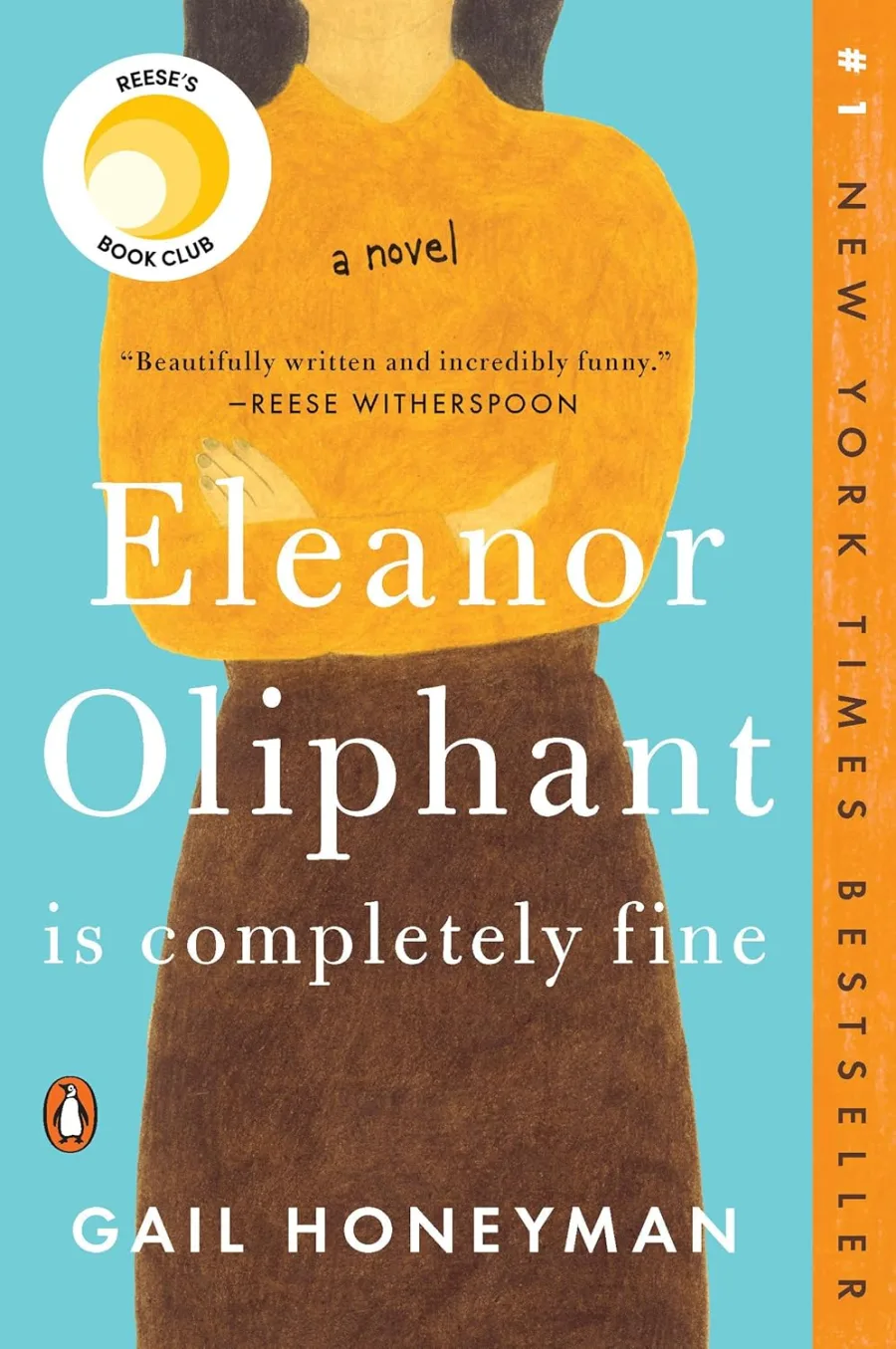
Download Cover Image
Do you want to download the full cover image for Eleanor Oliphant Is Completely Fine: Reese's Book Club: A Novel?