
Hello Beautiful (Oprah's Book Club): A Novel
Paperback
• 416 Pages
• USD 18.99
• English
• 9780593243756
No ratings yet
| Publisher | Dial Press Trade Paperback |
|---|---|
| ISBN13 | 9780593243756 |
| ASIN/SKU | 0593243757 |
| Book Format | Paperback |
| Language | English |
| Pages | 416 |
| List Price | USD 18.99 |
| Publishing Date | 19/11/2024 |
| Dimensions | 5.16 x 0.9 x 7.97 inches |
| Weight | 10.4 ounces |
| Book Code | BD00055388 |
Buy this Book
Amazon Stores
Ebook Stores
Other Stores
Discover Hello Beautiful (Oprah's Book Club): A Novel by Ann Napolitano. This book is published by Dial Press Trade Paperback in Paperback format, ISBN 9780593243756, ASIN 0593243757, under Literature and Fiction, Twins and Multiples Parenting, Drama and Play Types.
Book Description
NEW YORK TIMES BESTSELLER • OPRAH’S BOOK CLUB PICK • MORE THAN ONE MILLION COPIES SOLD! From the author of Dear Edward comes a “powerfully affecting” (People) family story that asks: Can love make a broken person whole?
“Another tender tearjerker . . . Napolitano chronicles life’s highs and lows with aching precision.”—The Washington Post
ONE OF THE CHICAGO PUBLIC LIBRARY’S TEN BEST BOOKS OF THE YEAR
A BEST BOOK OF THE YEAR: The New York Times Book Review, NPR, The Washington Post, Time, Vogue, Glamour, Harper’s Bazaar, New York Post, She Reads, Bookreporter
William Waters grew up in a house silenced by tragedy, where his parents could hardly bear to look at him, much less love him—so when he meets the spirited and ambitious Julia Padavano in his freshman year of college, it’s as if the world has lit up around him. With Julia comes her family, as she and her three sisters are inseparable: Sylvie, the family’s dreamer, is happiest with her nose in a book; Cecelia is a free-spirited artist; and Emeline patiently takes care of them all. With the Padavanos, William experiences a newfound contentment; every moment in their house is filled with loving chaos.
But then darkness from William’s past surfaces, jeopardizing not only Julia’s carefully orchestrated plans for their future, but the sisters’ unshakeable devotion to one another. The result is a catastrophic family rift that changes their lives for generations. Will the loyalty that once rooted them be strong enough to draw them back together when it matters most?
An exquisite homage to Louisa May Alcott’s timeless classic, Little Women, Hello Beautiful is a profoundly moving portrait of what is possible when we choose to love someone not in spite of who they are, but because of it.
“Another tender tearjerker . . . Napolitano chronicles life’s highs and lows with aching precision.”—The Washington Post
ONE OF THE CHICAGO PUBLIC LIBRARY’S TEN BEST BOOKS OF THE YEAR
A BEST BOOK OF THE YEAR: The New York Times Book Review, NPR, The Washington Post, Time, Vogue, Glamour, Harper’s Bazaar, New York Post, She Reads, Bookreporter
William Waters grew up in a house silenced by tragedy, where his parents could hardly bear to look at him, much less love him—so when he meets the spirited and ambitious Julia Padavano in his freshman year of college, it’s as if the world has lit up around him. With Julia comes her family, as she and her three sisters are inseparable: Sylvie, the family’s dreamer, is happiest with her nose in a book; Cecelia is a free-spirited artist; and Emeline patiently takes care of them all. With the Padavanos, William experiences a newfound contentment; every moment in their house is filled with loving chaos.
But then darkness from William’s past surfaces, jeopardizing not only Julia’s carefully orchestrated plans for their future, but the sisters’ unshakeable devotion to one another. The result is a catastrophic family rift that changes their lives for generations. Will the loyalty that once rooted them be strong enough to draw them back together when it matters most?
An exquisite homage to Louisa May Alcott’s timeless classic, Little Women, Hello Beautiful is a profoundly moving portrait of what is possible when we choose to love someone not in spite of who they are, but because of it.
Author Biography
Ann Napolitano is the author of Dear Edward, which was an instant New York Times bestseller, a Read with Jenna selection, and is now an Apple TV+ series. She is also the author of the novels A Good Hard Look and Within Arm’s Reach. For seven years, Napolitano was the associate editor of the literary magazine One Story, and she received an MFA from New York University. She has taught fiction writing at Brooklyn College’s MFA program, New York University’s School of Continuing and Professional Studies, and Gotham Writers Workshop.
Editorial Reviews
“Radiant and brilliantly crafted . . . Napolitano’s [work] resists the easy satisfactions of the sentimental and never settles for simple answers to emotional predicaments faced by her characters.”—The New York Times Book Review (Editors’ Choice)
“This sumptuous family saga is one of those rare novels whose singular characters are so beautifully rendered, it’s as if they’re your best friends, and you’re grateful to be in their orbit.”—Oprah Quarterly
“Hello Beautiful will make you weep buckets because you come to care so deeply about the characters and their fates. . . . [Napolitano] compels us to contemplate the complex tapestry of family love that can, despite grief and loss, still knit us together. She helps us see ourselves—and each other—whole.”—The Washington Post
“A sprawling, hugely affecting novel [filled with] empathetic characters and rich writing . . . [Hello Beautiful] has rightfully earned comparisons to Louisa May Alcott’s Little Women, with its four close, vibrant sisters and the lonely outsider who infiltrates their circle.”—Shondaland
“This is a warm blanket of a book, one that reminds you of the enveloping power of literature and leaves you very grateful to have encountered it.”—Vogue
“Little Women fans will be endeared by Hello Beautiful's homage to the March siblings, in the form of the four Padavano sisters. Any lover of a sweeping family saga will be moved by the Padavanos’ unraveling.”—Harper’s Bazaar
“Napolitano’s novel will make you think deeply about sisterhood and what we choose to share with those we love.”—Town & Country
“Can love make a broken person whole? That is the simple but compelling question at the center of . . . this engrossing and emotional family drama.”—E! Online
“Absorbing.”—AARP
“Napolitano is a master of examining what binds us to family, what makes family, and how to love in difficult times.”—Literary Hub
“A family drama with echoes of classics and characters who are distinctly written. As a reader, you’ll laugh and grieve with William and the Padavanos as they go through life—soaring as much as they stumble.”—Book Riot
“Ann Napolitano’s new novel, Hello Beautiful, is exactly that: beautiful, perceptive, wistful. It’s a story of family and friendship, of how the people we are bound to can also set us free. I loved it.”—Miranda Cowley Heller, New York Times bestselling author of The Paper Palace
“A rich, complex family saga, Hello Beautiful is a portrait oflove and grief in equal measure. Napolitano’s prose is so lovely, so keenly perceptive, that it held me captive until I finished. A lot of people are going to love this story.”—Mary Beth Keane, New York Times bestselling author of Ask Again, Yes
“Hello Beautiful is a profoundly moving and propulsive novel about the deepest connections of family and love, trauma and healing. In intricately elegant prose, Ann Napolitano explores both the cost and power of loyalty and honesty. This is a book to treasure and share with friends and
“This sumptuous family saga is one of those rare novels whose singular characters are so beautifully rendered, it’s as if they’re your best friends, and you’re grateful to be in their orbit.”—Oprah Quarterly
“Hello Beautiful will make you weep buckets because you come to care so deeply about the characters and their fates. . . . [Napolitano] compels us to contemplate the complex tapestry of family love that can, despite grief and loss, still knit us together. She helps us see ourselves—and each other—whole.”—The Washington Post
“A sprawling, hugely affecting novel [filled with] empathetic characters and rich writing . . . [Hello Beautiful] has rightfully earned comparisons to Louisa May Alcott’s Little Women, with its four close, vibrant sisters and the lonely outsider who infiltrates their circle.”—Shondaland
“This is a warm blanket of a book, one that reminds you of the enveloping power of literature and leaves you very grateful to have encountered it.”—Vogue
“Little Women fans will be endeared by Hello Beautiful's homage to the March siblings, in the form of the four Padavano sisters. Any lover of a sweeping family saga will be moved by the Padavanos’ unraveling.”—Harper’s Bazaar
“Napolitano’s novel will make you think deeply about sisterhood and what we choose to share with those we love.”—Town & Country
“Can love make a broken person whole? That is the simple but compelling question at the center of . . . this engrossing and emotional family drama.”—E! Online
“Absorbing.”—AARP
“Napolitano is a master of examining what binds us to family, what makes family, and how to love in difficult times.”—Literary Hub
“A family drama with echoes of classics and characters who are distinctly written. As a reader, you’ll laugh and grieve with William and the Padavanos as they go through life—soaring as much as they stumble.”—Book Riot
“Ann Napolitano’s new novel, Hello Beautiful, is exactly that: beautiful, perceptive, wistful. It’s a story of family and friendship, of how the people we are bound to can also set us free. I loved it.”—Miranda Cowley Heller, New York Times bestselling author of The Paper Palace
“A rich, complex family saga, Hello Beautiful is a portrait oflove and grief in equal measure. Napolitano’s prose is so lovely, so keenly perceptive, that it held me captive until I finished. A lot of people are going to love this story.”—Mary Beth Keane, New York Times bestselling author of Ask Again, Yes
“Hello Beautiful is a profoundly moving and propulsive novel about the deepest connections of family and love, trauma and healing. In intricately elegant prose, Ann Napolitano explores both the cost and power of loyalty and honesty. This is a book to treasure and share with friends and
Book Summary
Ann Napolitano’s novel Hello Beautiful is a deeply moving exploration of family, trauma, loyalty, and the redemptive power of love. Serving as an homage to Louisa May Alcott’s "Little Women," the story spans several decades and revolves around the vibrant, fiercely close-knit Padavano sisters and a broken young man named William Waters who becomes inextricably tied to their fates. The novel begins by detailing William's profoundly isolating childhood. Born into a home silenced by tragedy, William is essentially ignored by his parents, who are consumed by grief over the death of his infant sister, a loss that occurred before he was even born. Growing up with a fundamental belief that he is unworthy of love, William finds his only solace on the basketball court. His athletic ability eventually earns him a scholarship to Northwestern University in Chicago, giving him a chance to escape his hauntingly empty upbringing.
In college, William’s life changes forever when he meets Julia Padavano. Julia is ambitious, highly organized, and completely determined to map out a successful, conventional life for herself and her future husband. Through Julia, William is introduced to her boisterous, loving Italian-American family in the Pilsen neighborhood of Chicago. The Padavano household is a whirlwind of affection and chaos, anchored by four inseparable sisters. There is Julia, the planner; Sylvie, the romantic bookworm who dreams of a great, sweeping love; Cecelia, the free-spirited artist; and Emeline, the maternal caregiver. Their pragmatic, strict mother, Rose, keeps the house running, while their warm, deeply loving father, Charlie, struggles with alcoholism but greets his daughters every day with the joyful phrase, "Hello, beautiful." For William, who has never known familial warmth, the Padavanos are an absolute revelation, and he is easily swept up into their world, allowing Julia to direct his future.
The first major fracture in the family’s idyllic closeness occurs when sixteen-year-old Cecelia becomes pregnant. Rose, deeply concerned with appearances and rigid in her Catholic beliefs, demands that Cecelia give the baby up for adoption. When Cecelia refuses, Rose kicks her out of the house. In a stunning display of loyalty, the other three sisters stand by Cecelia, creating an unbridgeable rift with their mother. Shortly after this painful division, the family suffers a devastating blow when Charlie unexpectedly passes away. The sisters are forced to rely entirely on each other, with Julia and William’s marriage serving as the supposed bedrock of their new adult lives.
However, the foundation of William and Julia’s marriage is inherently flawed. Following a career-ending knee injury and the overwhelming pressure of living a life entirely designed by Julia, William’s repressed childhood trauma resurfaces with terrifying force. As Julia gives birth to their daughter, Alice, William falls into a severe, paralyzing depression. Feeling utterly hollow and believing he is a poison to his wife and newborn child, William attempts suicide. He survives, but the event shatters the marriage. Unable to cope with a husband who does not fit into her carefully curated plans, Julia demands a divorce. She takes baby Alice and flees to New York, changing her daughter's last name and completely cutting off all contact with William and the rest of her family in Chicago, unable to face the perceived failure of her life's blueprint.
In the aftermath of Julia’s departure, William slowly begins to heal, supported by his close friend Harrison and the remaining Padavano sisters. During his agonizingly slow recovery, he and Sylvie develop a profound, quiet understanding of one another. Their bond deepens from friendship into a passionate, undeniable love. When Julia discovers from afar that her ex-husband and her favorite sister are together, the sense of betrayal is absolute. The revelation solidifies Julia’s estrangement from her family, creating a heartbreaking wall of silence that lasts for nearly three decades.
The narrative jumps forward, showing the characters building their lives despite the gaping hole left by Julia and Alice. William and Sylvie share a beautiful, fulfilling life together, though they are always shadowed by the pain of Julia’s absence. Emeline and Cecelia raise Cecelia’s daughter, Izzy, in a chaotic but loving home, with Emeline eventually marrying Harrison. Meanwhile, in New York, Julia raises Alice with immense love but strict boundaries, completely shielding her from the truth about her father and her aunts. Alice grows up feeling an inexplicable void, sensing that a crucial piece of her identity has been hidden from her.
The novel builds to a deeply emotional climax when Sylvie is diagnosed with an aggressive, terminal brain tumor. This devastating news acts as a catalyst, forcing the fractured family to finally confront their decades of silence. Alice, now a young adult, discovers the truth about her Chicago family and travels there independently, bringing Julia in her wake. As Sylvie’s health rapidly declines, the sisters are forced to navigate their anger, hurt, and enduring love for one another. The final chapters are a poignant testament to forgiveness and the complexities of human connection. Alice finally gets to know her father, William, who has grown into a strong, emotionally available man, having learned that he is indeed worthy of love. Although Sylvie tragically passes away, her death brings the Padavano family back together. The novel concludes with a sense of profound healing, illustrating that while love can be messy and painful, it is also the only thing that makes life truly beautiful.
In college, William’s life changes forever when he meets Julia Padavano. Julia is ambitious, highly organized, and completely determined to map out a successful, conventional life for herself and her future husband. Through Julia, William is introduced to her boisterous, loving Italian-American family in the Pilsen neighborhood of Chicago. The Padavano household is a whirlwind of affection and chaos, anchored by four inseparable sisters. There is Julia, the planner; Sylvie, the romantic bookworm who dreams of a great, sweeping love; Cecelia, the free-spirited artist; and Emeline, the maternal caregiver. Their pragmatic, strict mother, Rose, keeps the house running, while their warm, deeply loving father, Charlie, struggles with alcoholism but greets his daughters every day with the joyful phrase, "Hello, beautiful." For William, who has never known familial warmth, the Padavanos are an absolute revelation, and he is easily swept up into their world, allowing Julia to direct his future.
The first major fracture in the family’s idyllic closeness occurs when sixteen-year-old Cecelia becomes pregnant. Rose, deeply concerned with appearances and rigid in her Catholic beliefs, demands that Cecelia give the baby up for adoption. When Cecelia refuses, Rose kicks her out of the house. In a stunning display of loyalty, the other three sisters stand by Cecelia, creating an unbridgeable rift with their mother. Shortly after this painful division, the family suffers a devastating blow when Charlie unexpectedly passes away. The sisters are forced to rely entirely on each other, with Julia and William’s marriage serving as the supposed bedrock of their new adult lives.
However, the foundation of William and Julia’s marriage is inherently flawed. Following a career-ending knee injury and the overwhelming pressure of living a life entirely designed by Julia, William’s repressed childhood trauma resurfaces with terrifying force. As Julia gives birth to their daughter, Alice, William falls into a severe, paralyzing depression. Feeling utterly hollow and believing he is a poison to his wife and newborn child, William attempts suicide. He survives, but the event shatters the marriage. Unable to cope with a husband who does not fit into her carefully curated plans, Julia demands a divorce. She takes baby Alice and flees to New York, changing her daughter's last name and completely cutting off all contact with William and the rest of her family in Chicago, unable to face the perceived failure of her life's blueprint.
In the aftermath of Julia’s departure, William slowly begins to heal, supported by his close friend Harrison and the remaining Padavano sisters. During his agonizingly slow recovery, he and Sylvie develop a profound, quiet understanding of one another. Their bond deepens from friendship into a passionate, undeniable love. When Julia discovers from afar that her ex-husband and her favorite sister are together, the sense of betrayal is absolute. The revelation solidifies Julia’s estrangement from her family, creating a heartbreaking wall of silence that lasts for nearly three decades.
The narrative jumps forward, showing the characters building their lives despite the gaping hole left by Julia and Alice. William and Sylvie share a beautiful, fulfilling life together, though they are always shadowed by the pain of Julia’s absence. Emeline and Cecelia raise Cecelia’s daughter, Izzy, in a chaotic but loving home, with Emeline eventually marrying Harrison. Meanwhile, in New York, Julia raises Alice with immense love but strict boundaries, completely shielding her from the truth about her father and her aunts. Alice grows up feeling an inexplicable void, sensing that a crucial piece of her identity has been hidden from her.
The novel builds to a deeply emotional climax when Sylvie is diagnosed with an aggressive, terminal brain tumor. This devastating news acts as a catalyst, forcing the fractured family to finally confront their decades of silence. Alice, now a young adult, discovers the truth about her Chicago family and travels there independently, bringing Julia in her wake. As Sylvie’s health rapidly declines, the sisters are forced to navigate their anger, hurt, and enduring love for one another. The final chapters are a poignant testament to forgiveness and the complexities of human connection. Alice finally gets to know her father, William, who has grown into a strong, emotionally available man, having learned that he is indeed worthy of love. Although Sylvie tragically passes away, her death brings the Padavano family back together. The novel concludes with a sense of profound healing, illustrating that while love can be messy and painful, it is also the only thing that makes life truly beautiful.
Sample Chapters
William
February 1960–December 1978
For the first six days of William Waters’s life, he was not an only child. He had a three-year-old sister, a redhead named Caroline after John F. Kennedy’s daughter. There were silent home movies of Caroline in which William’s father looked like he was laughing, a sight William never saw again. His father’s face looked open, and the tiny redhead, who pulled her dress over her face and ran in giggling circles in one of the movies, was apparently the reason. Caroline developed a fever and a cough while William and his mother were in the hospital after his birth. When they came home, the little girl seemed to be on the mend, but the cough was still bad, and when her parents went into her room to get her one morning, they found her dead in her crib.
William’s parents never mentioned Caroline while William was growing up. There was one photograph of her on the end table in the living room, which William traveled to occasionally in order to convince himself that he’d actually had a sister. The family moved to a navy-shingled house on the other side of Newton—a suburb of Boston—and in that house, William was an only child. His father was an accountant who worked long hours downtown. With his daughter gone, the man’s face never opened again. William’s mother smoked cigarettes and drank bourbon in the living room, sometimes alone and sometimes with a female neighbor. She had a collection of ruffled aprons that she wore while preparing meals, and she became agitated whenever one became stained or messy.
“Maybe you shouldn’t wear the aprons while you cook,” William said once, when his mother was red-faced and on the verge of tears over a dark blotch of gravy on the fabric. “You could tuck a dish towel in your belt instead, like Mrs. Kornet does.”
His mother looked at him as if he’d spoken in Greek. William said, “Mrs. Kornet, who lives next door? Her dish towel?”
From the age of five, William would walk to the nearby park most afternoons with a basketball, because basketball, unlike baseball or football, was a game he could play alone. There was a neglected outdoor court that usually had a hoop free, and he would shoot for hours, pretending he was a Celtics player. Bill Russell was his favorite, but to be Russell you needed someone else to block or defend against. Sam Jones was the best shooter, so William was usually Jones. He tried to imitate the guard’s perfect shooting form while pretending the trees that surrounded the court were cheering fans.
One afternoon when he was ten years old, he showed up at the court and found it occupied. Boys—maybe six of them, about William’s age—were chasing one another and a ball between the hoops. William started to back away, but one of the boys called, “Hey, wanna play?” And then, without waiting for William to answer: “You’re on the blue team.” Within seconds, William was swept into the game, his heart pounding in his chest. A kid passed him the ball, and he passed it right back, afraid to shoot and miss and be told he was terrible. A few minutes later, the game broke up abruptly because someone needed to get home, and the boys spilled off the court in different directions. William walked home, his heart still rattling in his chest. After that, the boys were occasionally on the court when William showed up with his ball. There was no discernible schedule to their appearances, but they always waved him into the game as if he were one of them. This never stopped being shocking to William. Kids and adults had always looked past him, as if he were invisible. His parents hardly looked at him at all. William had accepted all of this and thought it was understandable; he was, after all, boring and forgettable. His primary characteristic was pallor: He had sand-colored hair, light-blue eyes, and the very white skin shared by people of English and Irish descent. On the inside, William knew, he was as uninteresting and muted as his looks. He never spoke at school, and no one played with him. But the boys on the basketball court offered William a chance to be part of something for the first time, without having to talk.
In fifth grade, the gym teacher at his elementary school said, “I see you out there shooting baskets in the afternoons. How tall is your father?”
William stared at the man blankly. “I’m not sure. Normal height?”
“Okay, so you’ll probably be a point guard. You need to work on your handle. You know Bill Bradley? That gawky guy on the Knicks? When he was a kid, he taped cardboard to his glasses so he couldn’t look down, couldn’t see his feet. And then he dribbled up and down the sidewalk wearing those glasses. He looked crazy, no doubt, but his handle got real tight. He has a perfect feel for how the ball will bounce and how to find it without looking.”
William sprinted home that afternoon, his entire body buzzing. This was the first time a grown-up had looked directly at him—noticed him, and noticed what he was doing—and the attention threw him into distress. William had a sneezing fit while he was digging for a pair of toy glasses in the back of his desk drawer. He visited the bathroom twice before he carefully taped rectangular pieces of cardboard to the bottom of the glasses.
Whenever William felt sick or odd, he worried he was going to die. At least once a month he would crawl under his covers after school, convinced he was terminally ill. He wouldn’t tell his parents, because illness wasn’t permitted in his house. Coughing, in particular, was treated as a horrific betrayal. When William had a cold, he allowed himself to cough only in his closet with the door closed, his face muffled by the row of hanging button-down shirts he had to wear for school. He was aware of that familiar worry tickling his shoulders and the back of his head while he ran outside with the ball and glasses. But William had no time for illness now, no time for fear. This felt like the final click of his identity falling into place. The boys on the court had recognized him, and the gym teacher had too. William might have had no idea who he was, but the world had told him: He was a basketball player.
The gym teacher gave him additional tips that allowed William to develop more skills. “For defense: Push kids away with your shoulder and your butt. The refs won’t call those as fouls. Do sprints: Get a quick first step and beat your man off the dribble.” William worked on his passing too, so he could feed the ball to the best players in the park. He wanted to keep his place on the court, and he knew that if he made the other boys better, he had value. He learned where to run to provide space for the shooters to cut in to. He set screens so they could take their favorite shots. The boys slapped William on the back after a successful play, and they always wanted him on their side. This acceptance calmed some of the fear William carried inside him; on the basketball court, he knew what to do.
By the time William entered high school, he was a good-enough player to start for the varsity team. He was five foot eight and played point guard. His hours of practice with the glasses had paid off; he was by far the best dribbler on the team, and he had a nice midrange jumper. He’d worked on his rebounding, which helped offset his team’s turnovers. Passing was still William’s best skill, and his teammates appreciated that they had better games when he was in the lineup. He was the only freshman on the varsity team, and so when his older teammates drank beer in the basement of whoever’s parents were willing to look the other way, William was never invited. His teammates were shocked—everyone was shocked—when, in the summer after his sophomore year, William grew five inches. Once he started growing, his body seemed unable to stop, and by the end of high school he was six foot seven. He couldn’t eat enough to keep up with his growth and became shockingly thin. His mother looked frightened when he lurched into the kitchen every morning, and she’d hand him a snack whenever he passed nearby. She seemed to think his skinniness reflected badly on her, because feeding him was her job. His parents sometimes came to his basketball games, but at odd intervals, and they sat politely in the stands, appearing not to know anyone on the court.
February 1960–December 1978
For the first six days of William Waters’s life, he was not an only child. He had a three-year-old sister, a redhead named Caroline after John F. Kennedy’s daughter. There were silent home movies of Caroline in which William’s father looked like he was laughing, a sight William never saw again. His father’s face looked open, and the tiny redhead, who pulled her dress over her face and ran in giggling circles in one of the movies, was apparently the reason. Caroline developed a fever and a cough while William and his mother were in the hospital after his birth. When they came home, the little girl seemed to be on the mend, but the cough was still bad, and when her parents went into her room to get her one morning, they found her dead in her crib.
William’s parents never mentioned Caroline while William was growing up. There was one photograph of her on the end table in the living room, which William traveled to occasionally in order to convince himself that he’d actually had a sister. The family moved to a navy-shingled house on the other side of Newton—a suburb of Boston—and in that house, William was an only child. His father was an accountant who worked long hours downtown. With his daughter gone, the man’s face never opened again. William’s mother smoked cigarettes and drank bourbon in the living room, sometimes alone and sometimes with a female neighbor. She had a collection of ruffled aprons that she wore while preparing meals, and she became agitated whenever one became stained or messy.
“Maybe you shouldn’t wear the aprons while you cook,” William said once, when his mother was red-faced and on the verge of tears over a dark blotch of gravy on the fabric. “You could tuck a dish towel in your belt instead, like Mrs. Kornet does.”
His mother looked at him as if he’d spoken in Greek. William said, “Mrs. Kornet, who lives next door? Her dish towel?”
From the age of five, William would walk to the nearby park most afternoons with a basketball, because basketball, unlike baseball or football, was a game he could play alone. There was a neglected outdoor court that usually had a hoop free, and he would shoot for hours, pretending he was a Celtics player. Bill Russell was his favorite, but to be Russell you needed someone else to block or defend against. Sam Jones was the best shooter, so William was usually Jones. He tried to imitate the guard’s perfect shooting form while pretending the trees that surrounded the court were cheering fans.
One afternoon when he was ten years old, he showed up at the court and found it occupied. Boys—maybe six of them, about William’s age—were chasing one another and a ball between the hoops. William started to back away, but one of the boys called, “Hey, wanna play?” And then, without waiting for William to answer: “You’re on the blue team.” Within seconds, William was swept into the game, his heart pounding in his chest. A kid passed him the ball, and he passed it right back, afraid to shoot and miss and be told he was terrible. A few minutes later, the game broke up abruptly because someone needed to get home, and the boys spilled off the court in different directions. William walked home, his heart still rattling in his chest. After that, the boys were occasionally on the court when William showed up with his ball. There was no discernible schedule to their appearances, but they always waved him into the game as if he were one of them. This never stopped being shocking to William. Kids and adults had always looked past him, as if he were invisible. His parents hardly looked at him at all. William had accepted all of this and thought it was understandable; he was, after all, boring and forgettable. His primary characteristic was pallor: He had sand-colored hair, light-blue eyes, and the very white skin shared by people of English and Irish descent. On the inside, William knew, he was as uninteresting and muted as his looks. He never spoke at school, and no one played with him. But the boys on the basketball court offered William a chance to be part of something for the first time, without having to talk.
In fifth grade, the gym teacher at his elementary school said, “I see you out there shooting baskets in the afternoons. How tall is your father?”
William stared at the man blankly. “I’m not sure. Normal height?”
“Okay, so you’ll probably be a point guard. You need to work on your handle. You know Bill Bradley? That gawky guy on the Knicks? When he was a kid, he taped cardboard to his glasses so he couldn’t look down, couldn’t see his feet. And then he dribbled up and down the sidewalk wearing those glasses. He looked crazy, no doubt, but his handle got real tight. He has a perfect feel for how the ball will bounce and how to find it without looking.”
William sprinted home that afternoon, his entire body buzzing. This was the first time a grown-up had looked directly at him—noticed him, and noticed what he was doing—and the attention threw him into distress. William had a sneezing fit while he was digging for a pair of toy glasses in the back of his desk drawer. He visited the bathroom twice before he carefully taped rectangular pieces of cardboard to the bottom of the glasses.
Whenever William felt sick or odd, he worried he was going to die. At least once a month he would crawl under his covers after school, convinced he was terminally ill. He wouldn’t tell his parents, because illness wasn’t permitted in his house. Coughing, in particular, was treated as a horrific betrayal. When William had a cold, he allowed himself to cough only in his closet with the door closed, his face muffled by the row of hanging button-down shirts he had to wear for school. He was aware of that familiar worry tickling his shoulders and the back of his head while he ran outside with the ball and glasses. But William had no time for illness now, no time for fear. This felt like the final click of his identity falling into place. The boys on the court had recognized him, and the gym teacher had too. William might have had no idea who he was, but the world had told him: He was a basketball player.
The gym teacher gave him additional tips that allowed William to develop more skills. “For defense: Push kids away with your shoulder and your butt. The refs won’t call those as fouls. Do sprints: Get a quick first step and beat your man off the dribble.” William worked on his passing too, so he could feed the ball to the best players in the park. He wanted to keep his place on the court, and he knew that if he made the other boys better, he had value. He learned where to run to provide space for the shooters to cut in to. He set screens so they could take their favorite shots. The boys slapped William on the back after a successful play, and they always wanted him on their side. This acceptance calmed some of the fear William carried inside him; on the basketball court, he knew what to do.
By the time William entered high school, he was a good-enough player to start for the varsity team. He was five foot eight and played point guard. His hours of practice with the glasses had paid off; he was by far the best dribbler on the team, and he had a nice midrange jumper. He’d worked on his rebounding, which helped offset his team’s turnovers. Passing was still William’s best skill, and his teammates appreciated that they had better games when he was in the lineup. He was the only freshman on the varsity team, and so when his older teammates drank beer in the basement of whoever’s parents were willing to look the other way, William was never invited. His teammates were shocked—everyone was shocked—when, in the summer after his sophomore year, William grew five inches. Once he started growing, his body seemed unable to stop, and by the end of high school he was six foot seven. He couldn’t eat enough to keep up with his growth and became shockingly thin. His mother looked frightened when he lurched into the kitchen every morning, and she’d hand him a snack whenever he passed nearby. She seemed to think his skinniness reflected badly on her, because feeding him was her job. His parents sometimes came to his basketball games, but at odd intervals, and they sat politely in the stands, appearing not to know anyone on the court.
Reader Reviews
No reviews yet.
Hello Beautiful (Oprah's Book Club): A Novel
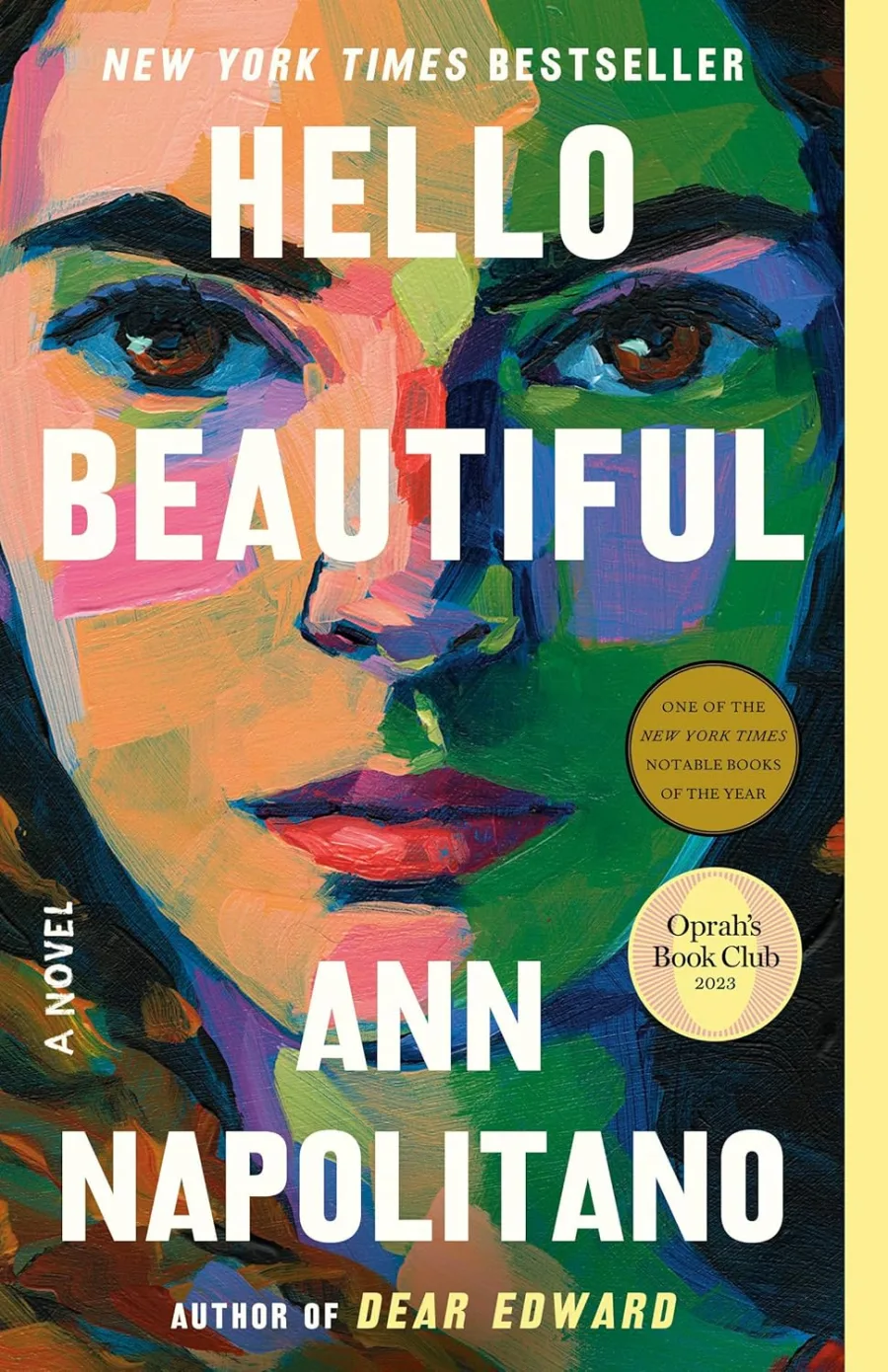
Download Cover Image
Do you want to download the full cover image for Hello Beautiful (Oprah's Book Club): A Novel?