
When Breath Becomes Air Exp
Paperback
• 229 Pages
• USD 66.00
• English
• 9780399590405
No ratings yet
| Publisher | Penguin Random House USA Ex |
|---|---|
| ISBN13 | 9780399590405 |
| ASIN/SKU | 0399590404 |
| Book Format | Paperback |
| Language | English |
| Pages | 229 |
| List Price | USD 66.00 |
| Publishing Date | 03/01/2017 |
| Dimensions | 7.99 x 0.67 x 9.65 inches |
| Weight | 2.31 pounds |
| Book Code | BD00055483 |
Buy this Book
Amazon Stores
Ebook Stores
Other Stores
Discover When Breath Becomes Air Exp by Paul Kalanithi. This book is published by Penguin Random House USA Ex in Paperback format, ISBN 9780399590405, ASIN 0399590404, under Biographies and Memoirs, Death, Medical Professional Biographies.
Book Description
#1 NEW YORK TIMES BESTSELLER • PULITZER PRIZE FINALIST • OVER TWO MILLION COPIES SOLD
This inspiring, exquisitely observed memoir finds hope and beauty in the face of insurmountable odds as an idealistic young neurosurgeon attempts to answer the question, What makes a life worth living?
“Unmissable . . . Finishing this book and then forgetting about it is simply not an option.”—Janet Maslin, The New York Times
ONE OF THE BEST BOOKS OF THE YEAR: The New York Times Book Review, People, NPR, The Washington Post, Slate, Harper’s Bazaar, Time Out New York, Publishers Weekly, BookPage
An Oprah Daily Best Nonfiction Book of the Past Two Decades • A Kirkus Reviews Best Nonfiction Book of the Century
At the age of thirty-six, on the verge of completing a decade’s worth of training as a neurosurgeon, Paul Kalanithi was diagnosed with stage IV lung cancer. One day he was a doctor treating the dying, and the next he was a patient struggling to live. And just like that, the future he and his wife had imagined evaporated. When Breath Becomes Air chronicles Kalanithi’s transformation from a naïve medical student “possessed,” as he wrote, “by the question of what, given that all organisms die, makes a virtuous and meaningful life” into a neurosurgeon at Stanford working in the brain, the most critical place for human identity, and finally into a patient and new father confronting his own mortality.
What makes life worth living in the face of death? What do you do when the future, no longer a ladder toward your goals in life, flattens out into a perpetual present? What does it mean to have a child, to nurture a new life as another fades away? These are some of the questions Kalanithi wrestles with in this profoundly moving, exquisitely observed memoir.
Paul Kalanithi died in March 2015, while working on this book, yet his words live on as a guide and a gift to us all. “I began to realize that coming face to face with my own mortality, in a sense, had changed nothing and everything,” he wrote. “Seven words from Samuel Beckett began to repeat in my head: ‘I can’t go on. I’ll go on.’” When Breath Becomes Air is an unforgettable, life-affirming reflection on the challenge of facing death and on the relationship between doctor and patient, from a brilliant writer who became both.
Finalist for the PEN Center USA Literary Award in Creative Nonfiction and the Books for a Better Life Award in Inspirational Memoir
This inspiring, exquisitely observed memoir finds hope and beauty in the face of insurmountable odds as an idealistic young neurosurgeon attempts to answer the question, What makes a life worth living?
“Unmissable . . . Finishing this book and then forgetting about it is simply not an option.”—Janet Maslin, The New York Times
ONE OF THE BEST BOOKS OF THE YEAR: The New York Times Book Review, People, NPR, The Washington Post, Slate, Harper’s Bazaar, Time Out New York, Publishers Weekly, BookPage
An Oprah Daily Best Nonfiction Book of the Past Two Decades • A Kirkus Reviews Best Nonfiction Book of the Century
At the age of thirty-six, on the verge of completing a decade’s worth of training as a neurosurgeon, Paul Kalanithi was diagnosed with stage IV lung cancer. One day he was a doctor treating the dying, and the next he was a patient struggling to live. And just like that, the future he and his wife had imagined evaporated. When Breath Becomes Air chronicles Kalanithi’s transformation from a naïve medical student “possessed,” as he wrote, “by the question of what, given that all organisms die, makes a virtuous and meaningful life” into a neurosurgeon at Stanford working in the brain, the most critical place for human identity, and finally into a patient and new father confronting his own mortality.
What makes life worth living in the face of death? What do you do when the future, no longer a ladder toward your goals in life, flattens out into a perpetual present? What does it mean to have a child, to nurture a new life as another fades away? These are some of the questions Kalanithi wrestles with in this profoundly moving, exquisitely observed memoir.
Paul Kalanithi died in March 2015, while working on this book, yet his words live on as a guide and a gift to us all. “I began to realize that coming face to face with my own mortality, in a sense, had changed nothing and everything,” he wrote. “Seven words from Samuel Beckett began to repeat in my head: ‘I can’t go on. I’ll go on.’” When Breath Becomes Air is an unforgettable, life-affirming reflection on the challenge of facing death and on the relationship between doctor and patient, from a brilliant writer who became both.
Finalist for the PEN Center USA Literary Award in Creative Nonfiction and the Books for a Better Life Award in Inspirational Memoir
Author Biography
PAUL KALANITHI was a neurosurgeon and writer. He held degrees in English literature, human biology, and history and philosophy of science and medicine from Stanford and Cambridge universities before graduating from Yale School of Medicine. He also received the American Academy of Neurological Surgery’s highest award for research. His reflections on doctoring and illness have been published in the New York Times, the Washington Post and the Paris Review Daily and in his New York Times number one bestselling book, When Breath Becomes Air.
Kalanithi died in March 2015, aged 37. He is survived by his wife, Lucy, and their daughter, Elizabeth Acadia
Kalanithi died in March 2015, aged 37. He is survived by his wife, Lucy, and their daughter, Elizabeth Acadia
Editorial Reviews
“I guarantee that finishing this book and then forgetting about it is simply not an option. . . . Part of this book’s tremendous impact comes from the obvious fact that its author was such a brilliant polymath. None of it is maudlin. Nothing is exaggerated. As he wrote to a friend: ‘It’s just tragic enough and just imaginable enough.’ And just important enough to be unmissable.”—Janet Maslin, The New York Times
“Paul Kalanithi’s memoir, When Breath Becomes Air, written as he faced a terminal cancer diagnosis, is inherently sad. But it’s an emotional investment well worth making: a moving and thoughtful memoir of family, medicine and literature. It is, despite its grim undertone, accidentally inspiring.”—The Washington Post
“Kalanithi uses the pages in this book to not only tell his story, but also share his ideas on how to approach death with grace and what it means to be fully alive.”—James Clear, #1 New York Times bestselling author of Atomic Habits
“Paul Kalanithi’s posthumous memoir, When Breath Becomes Air, possesses the gravity and wisdom of an ancient Greek tragedy. . . . The book brims with insightful reflections on mortality that are especially poignant coming from a trained physician familiar with what lies ahead. . . .”—The Boston Globe
“Devastating and spectacular . . . [Kalanithi] is so likeable, so relatable, and so humble, that you become immersed in his world and forget where it’s all heading.”—USA Today
“It’s [Kalanithi’s] unsentimental approach that makes When Breath Becomes Air so original—and so devastating. . . . Its only fault is that the book, like his life, ends much too early.”—Entertainment Weekly
“[When Breath Becomes Air] split my head open with its beauty.”—Cheryl Strayed
“Rattling, heartbreaking, and ultimately beautiful, the too-young Dr. Kalanithi’s memoir is proof that the dying are the ones who have the most to teach us about life.”—Atul Gawande
“Thanks to When Breath Becomes Air, those of us who never met Paul Kalanithi will both mourn his death and benefit from his life. This is one of a handful of books I consider to be a universal donor—I would recommend it to anyone, everyone.”—Ann Patchett
“Dr. Kalanithi describes, clearly and simply, and entirely without self-pity, his journey from innocent medical student to professionally detached and all-powerful neurosurgeon to helpless patient, dying from cancer. Every doctor should read this book—written by a member of our own tribe, it helps us understand and overcome the barriers we all erect between ourselves and our patients as soon as we are out of medical school.”—Henry Marsh, author of Do No Harm: Stories of Life, Death, and Brain Surgery
“Paul Kalanithi’s memoir, When Breath Becomes Air, written as he faced a terminal cancer diagnosis, is inherently sad. But it’s an emotional investment well worth making: a moving and thoughtful memoir of family, medicine and literature. It is, despite its grim undertone, accidentally inspiring.”—The Washington Post
“Kalanithi uses the pages in this book to not only tell his story, but also share his ideas on how to approach death with grace and what it means to be fully alive.”—James Clear, #1 New York Times bestselling author of Atomic Habits
“Paul Kalanithi’s posthumous memoir, When Breath Becomes Air, possesses the gravity and wisdom of an ancient Greek tragedy. . . . The book brims with insightful reflections on mortality that are especially poignant coming from a trained physician familiar with what lies ahead. . . .”—The Boston Globe
“Devastating and spectacular . . . [Kalanithi] is so likeable, so relatable, and so humble, that you become immersed in his world and forget where it’s all heading.”—USA Today
“It’s [Kalanithi’s] unsentimental approach that makes When Breath Becomes Air so original—and so devastating. . . . Its only fault is that the book, like his life, ends much too early.”—Entertainment Weekly
“[When Breath Becomes Air] split my head open with its beauty.”—Cheryl Strayed
“Rattling, heartbreaking, and ultimately beautiful, the too-young Dr. Kalanithi’s memoir is proof that the dying are the ones who have the most to teach us about life.”—Atul Gawande
“Thanks to When Breath Becomes Air, those of us who never met Paul Kalanithi will both mourn his death and benefit from his life. This is one of a handful of books I consider to be a universal donor—I would recommend it to anyone, everyone.”—Ann Patchett
“Dr. Kalanithi describes, clearly and simply, and entirely without self-pity, his journey from innocent medical student to professionally detached and all-powerful neurosurgeon to helpless patient, dying from cancer. Every doctor should read this book—written by a member of our own tribe, it helps us understand and overcome the barriers we all erect between ourselves and our patients as soon as we are out of medical school.”—Henry Marsh, author of Do No Harm: Stories of Life, Death, and Brain Surgery
Book Summary
When Breath Becomes Air is Paul Kalanithi’s deeply moving memoir about becoming a doctor, facing terminal illness, and searching for meaning when life is cut short. The book follows his journey from a gifted student who loves literature and philosophy to a neurosurgeon training for a life of healing brain diseases, and then to a patient diagnosed with metastatic lung cancer at the age of 36. What makes the memoir so powerful is that Kalanithi writes from both sides of medicine: first as a doctor trying to understand illness and later as a patient forced to confront his own mortality. The result is a thoughtful, honest, and emotionally steady reflection on life, death, identity, and what gives a human life value.
Kalanithi begins by describing his childhood and the shape of his early ambitions. He grows up in a family that values education and hard work, and he develops interests in both science and the humanities. For a long time, he is unsure whether to pursue medicine or literature, and this tension becomes one of the defining themes of the memoir. He studies English literature, biology, and the history and philosophy of science, trying to understand what makes life meaningful. He is drawn to questions about consciousness, identity, and suffering, which eventually lead him toward neurosurgery. For Kalanithi, the brain is not just an organ but the seat of personality, memory, and selfhood, so treating it feels like a way to engage with the deepest questions of human existence.
As he enters medical school and later the demanding world of surgical training, he discovers how exhausting and emotionally complicated medicine can be. Neurosurgery, in particular, is intense, competitive, and unforgiving. Kalanithi is trained to make difficult decisions quickly, to remain calm in crisis, and to treat patients with both technical skill and compassion. He describes the long hours, the pressure, the hierarchy of hospitals, and the emotional burden of caring for people whose lives may change in an instant. He also reflects on how doctors often learn to create distance from suffering so they can function, even while that distance can sometimes make them less human. Through these experiences, he comes to understand that medicine is not only about curing disease but also about accompanying people through vulnerability and uncertainty.
Just as Kalanithi is approaching the end of his training and starting to imagine his future as a fully formed neurosurgeon, his life changes abruptly. He begins to experience symptoms that do not make sense for a young, healthy doctor. After medical tests, he receives the devastating diagnosis of stage IV lung cancer. The shock is immense. He has spent years learning how to deliver bad news, but now he must absorb it himself. Suddenly, all the ideas he had studied about mortality, purpose, and suffering become intensely personal. The memoir’s emotional force comes from this shift: a man who had spent his professional life trying to preserve life must now confront the possibility that his own life will be short.
Kalanithi describes the early period after diagnosis with clarity and restraint. He and his wife, Lucy, must absorb the news, make treatment decisions, and face an uncertain future. The diagnosis interrupts every plan they had made together, including their hopes of starting a family and building a life around his career in medicine. Yet even in this painful time, Kalanithi remains intellectually engaged and reflective. He does not pretend that the experience has simple meaning, nor does he reduce it to a neat lesson. Instead, he explores the instability of identity: if a person is no longer a doctor, no longer healthy, and no longer certain of the future, what remains? His answer is gradual and human rather than absolute. He comes to see that meaning is not found in perfect certainty, but in the act of living well despite uncertainty.
A major part of the memoir is his relationship with Lucy, who becomes his anchor through illness. Their marriage deepens under the strain of cancer, and their love is portrayed not as idealized sentiment but as practical, enduring care. They face treatment, disappointment, and the possibility of death together. Kalanithi also writes about the difficult and beautiful decision to have a child despite his illness. Their daughter’s birth gives the book one of its most hopeful and tender dimensions. Through fatherhood, he experiences a renewed sense of time and legacy. He cannot know how long he will live, but he can still choose to be present, loving, and responsible in the time he has.
The memoir also reflects on how illness changes the way a person sees the world. Before cancer, Kalanithi had imagined a future measured by professional achievement and long years of practice. After the diagnosis, time becomes more precious and more fragile. He learns that a meaningful life is not defined only by duration or accomplishment, but by attention, honesty, and the relationships that connect one person to another. He continues to work for as long as he is able, but his priorities shift. He is less interested in ambition and more focused on what truly matters: his family, his writing, and the dignity of facing death without denial.
The final sections of the book are especially moving because they show Kalanithi trying to write even as his health declines. He understands that he will not complete all he hoped to do, but he continues writing anyway, as a way to make sense of what he is experiencing and to leave something behind for Lucy and his daughter. The memoir itself becomes that gift. It is not a dramatic or sentimental book; its power comes from its honesty, intelligence, and calm acceptance of what cannot be changed. Kalanithi never claims to have solved the mystery of death. Instead, he shows how a person can face it with courage, tenderness, and thoughtfulness.
When Breath Becomes Air is ultimately a meditation on what it means to live when the future is no longer guaranteed. It asks how a person should spend their time, what makes a life meaningful, and how love survives in the face of loss. Paul Kalanithi’s answer is not abstract. It is found in the daily acts of caring for patients, loving a wife, holding a daughter, and continuing to search for meaning even when the end is near. The book leaves readers with a quiet but powerful understanding that life is precious precisely because it is fragile, and that the awareness of death can make the present feel more vivid, more human, and more urgent.
Kalanithi begins by describing his childhood and the shape of his early ambitions. He grows up in a family that values education and hard work, and he develops interests in both science and the humanities. For a long time, he is unsure whether to pursue medicine or literature, and this tension becomes one of the defining themes of the memoir. He studies English literature, biology, and the history and philosophy of science, trying to understand what makes life meaningful. He is drawn to questions about consciousness, identity, and suffering, which eventually lead him toward neurosurgery. For Kalanithi, the brain is not just an organ but the seat of personality, memory, and selfhood, so treating it feels like a way to engage with the deepest questions of human existence.
As he enters medical school and later the demanding world of surgical training, he discovers how exhausting and emotionally complicated medicine can be. Neurosurgery, in particular, is intense, competitive, and unforgiving. Kalanithi is trained to make difficult decisions quickly, to remain calm in crisis, and to treat patients with both technical skill and compassion. He describes the long hours, the pressure, the hierarchy of hospitals, and the emotional burden of caring for people whose lives may change in an instant. He also reflects on how doctors often learn to create distance from suffering so they can function, even while that distance can sometimes make them less human. Through these experiences, he comes to understand that medicine is not only about curing disease but also about accompanying people through vulnerability and uncertainty.
Just as Kalanithi is approaching the end of his training and starting to imagine his future as a fully formed neurosurgeon, his life changes abruptly. He begins to experience symptoms that do not make sense for a young, healthy doctor. After medical tests, he receives the devastating diagnosis of stage IV lung cancer. The shock is immense. He has spent years learning how to deliver bad news, but now he must absorb it himself. Suddenly, all the ideas he had studied about mortality, purpose, and suffering become intensely personal. The memoir’s emotional force comes from this shift: a man who had spent his professional life trying to preserve life must now confront the possibility that his own life will be short.
Kalanithi describes the early period after diagnosis with clarity and restraint. He and his wife, Lucy, must absorb the news, make treatment decisions, and face an uncertain future. The diagnosis interrupts every plan they had made together, including their hopes of starting a family and building a life around his career in medicine. Yet even in this painful time, Kalanithi remains intellectually engaged and reflective. He does not pretend that the experience has simple meaning, nor does he reduce it to a neat lesson. Instead, he explores the instability of identity: if a person is no longer a doctor, no longer healthy, and no longer certain of the future, what remains? His answer is gradual and human rather than absolute. He comes to see that meaning is not found in perfect certainty, but in the act of living well despite uncertainty.
A major part of the memoir is his relationship with Lucy, who becomes his anchor through illness. Their marriage deepens under the strain of cancer, and their love is portrayed not as idealized sentiment but as practical, enduring care. They face treatment, disappointment, and the possibility of death together. Kalanithi also writes about the difficult and beautiful decision to have a child despite his illness. Their daughter’s birth gives the book one of its most hopeful and tender dimensions. Through fatherhood, he experiences a renewed sense of time and legacy. He cannot know how long he will live, but he can still choose to be present, loving, and responsible in the time he has.
The memoir also reflects on how illness changes the way a person sees the world. Before cancer, Kalanithi had imagined a future measured by professional achievement and long years of practice. After the diagnosis, time becomes more precious and more fragile. He learns that a meaningful life is not defined only by duration or accomplishment, but by attention, honesty, and the relationships that connect one person to another. He continues to work for as long as he is able, but his priorities shift. He is less interested in ambition and more focused on what truly matters: his family, his writing, and the dignity of facing death without denial.
The final sections of the book are especially moving because they show Kalanithi trying to write even as his health declines. He understands that he will not complete all he hoped to do, but he continues writing anyway, as a way to make sense of what he is experiencing and to leave something behind for Lucy and his daughter. The memoir itself becomes that gift. It is not a dramatic or sentimental book; its power comes from its honesty, intelligence, and calm acceptance of what cannot be changed. Kalanithi never claims to have solved the mystery of death. Instead, he shows how a person can face it with courage, tenderness, and thoughtfulness.
When Breath Becomes Air is ultimately a meditation on what it means to live when the future is no longer guaranteed. It asks how a person should spend their time, what makes a life meaningful, and how love survives in the face of loss. Paul Kalanithi’s answer is not abstract. It is found in the daily acts of caring for patients, loving a wife, holding a daughter, and continuing to search for meaning even when the end is near. The book leaves readers with a quiet but powerful understanding that life is precious precisely because it is fragile, and that the awareness of death can make the present feel more vivid, more human, and more urgent.
Sample Chapters
Sample Chapters will be added soon…
Reader Reviews
No reviews yet.
When Breath Becomes Air Exp
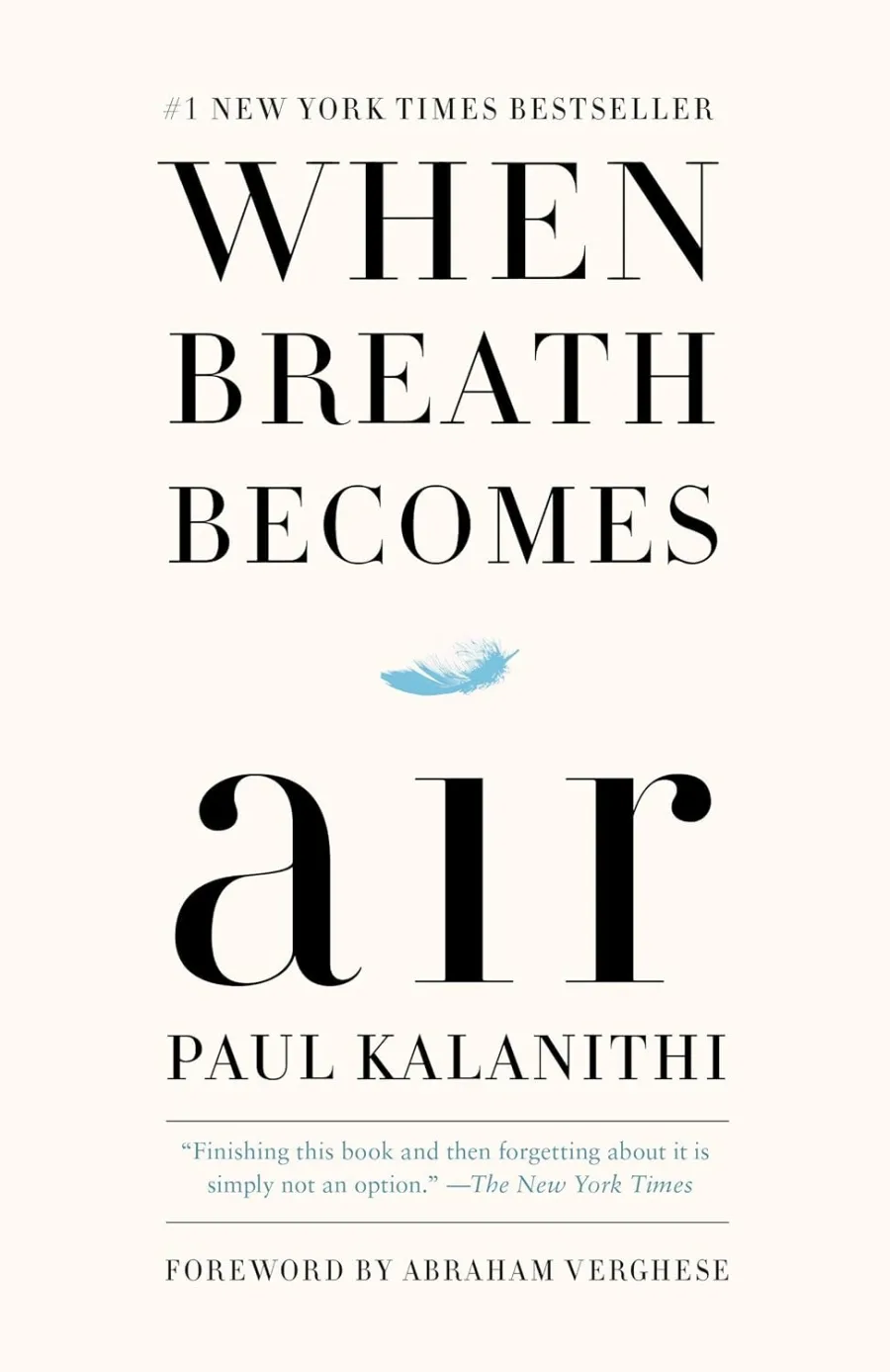
Download Cover Image
Do you want to download the full cover image for When Breath Becomes Air Exp?