
The Practice of the Presence of God
Mass Market Paperback
• 96 Pages
• USD 6.99
• English
• 9780883681053
No ratings yet
| Publisher | Whitaker House |
|---|---|
| ISBN13 | 9780883681053 |
| ASIN/SKU | 0883681056 |
| Book Format | Mass Market Paperback |
| Language | English |
| Pages | 96 |
| List Price | USD 6.99 |
| Publishing Date | 01/06/1982 |
| Dimensions | 4 x 0.31 x 6 inches |
| Weight | 2.31 pounds |
| Book Code | BD00055516 |
Buy this Book
Amazon Stores
Ebook Stores
Other Stores
Discover The Practice of the Presence of God by Brother Lawrence. This book is published by Whitaker House in Mass Market Paperback format, ISBN 9780883681053, ASIN 0883681056, under Christian Books and Bibles, Monasticism and Asceticism, Mysticism.
Book Description
Brother Lawrence was a man of humble beginnings who discovered the greatest secret of living in the kingdom of God here on earth. It is the art of “practicing the presence of God in one single act that does not end.” He often stated that it is God who paints Himself in the depths of our souls. We must merely open our hearts to receive Him and His loving presence.
As a humble cook, Brother Lawrence learned an important lesson through each daily chore: The time he spent in communion with the Lord should be the same, whether he was bustling around in the kitchen—with several people asking questions at the same time—or on his knees in prayer. He learned to cultivate the deep presence of God so thoroughly in his own heart that he was able to joyfully exclaim, “I am doing now what I will do for all eternity. I am blessing God, praising Him, adoring Him, and loving Him with all my heart.”
This unparalleled classic has given both blessing and instruction to those who can be content with nothing less than knowing God in all His majesty and feeling His loving presence throughout each simple day.
As a humble cook, Brother Lawrence learned an important lesson through each daily chore: The time he spent in communion with the Lord should be the same, whether he was bustling around in the kitchen—with several people asking questions at the same time—or on his knees in prayer. He learned to cultivate the deep presence of God so thoroughly in his own heart that he was able to joyfully exclaim, “I am doing now what I will do for all eternity. I am blessing God, praising Him, adoring Him, and loving Him with all my heart.”
This unparalleled classic has given both blessing and instruction to those who can be content with nothing less than knowing God in all His majesty and feeling His loving presence throughout each simple day.
Author Biography
Brother Lawrence of the Resurrection (c. 1611–1691) was a lay brother in the Parisian Carmelite Order, which practiced extreme asceticism. He taught that one’s “entire call and duty” was “to adore God and to love Him, without worrying about the rest.” While looking at a barren tree one wintry day, the eighteen-year-old Lawrence realized that this tree would blossom once again. He was profoundly moved by God’s providence and overcome with love for God. He was not only converted that day but also forever committed to serving God wholeheartedly. He believed that by accepting God’s help and guarding our souls by keeping them in tune with God’s will, we can have constant fellowship with the Lord. He died peacefully at about the age of eighty, embraced in the arms of the Lord he had loved and served.
Editorial Reviews
Editorial Reviews will be added soon…
Book Summary
“The Practice of the Presence of God” by Brother Lawrence is a small but deeply influential spiritual book about learning to live in constant awareness of God. It is not a formal theological argument or a detailed sermon. Instead, it is made up of short conversations, letters, and spiritual sayings that show how one humble man tried to keep his heart turned toward God in every moment of daily life. Its message is simple, but it is also demanding: God is always present, and the soul can find peace by remembering Him continually.
Brother Lawrence was a Carmelite lay brother who worked in the kitchen and performed ordinary duties, yet he believed that no task was too small to become an act of devotion. One of the most important ideas in the book is that holiness does not belong only to priests, monks, or people engaged in formal prayer. Washing dishes, cooking meals, sweeping floors, or doing routine work can all become sacred if they are done with love and awareness of God. This makes the book especially powerful because it removes the distance between religion and daily life. For Brother Lawrence, spiritual life is not something separate from ordinary work; it is lived in the middle of it.
The central practice in the book is what he calls the “presence of God.” This means keeping a gentle, steady awareness that God is near at all times. Brother Lawrence encourages the reader to speak to God simply and naturally throughout the day, not only during formal prayer. He does not emphasize complicated methods or long rituals. Instead, he teaches a kind of loving conversation with God that can continue in the mind and heart while a person works, walks, suffers, or rests. Over time, this practice becomes less forced and more natural, until it feels like a constant companionship.
A major theme of the book is that love matters more than outward success. Brother Lawrence repeatedly says that the goal is not to impress people, achieve religious reputation, or perform great acts. The true purpose of life is to love God and do everything for His sake. Even the smallest action can be valuable if it is offered sincerely. This idea gives dignity to humble labor and quiet faithfulness. It also challenges the common belief that only large achievements have value. In Brother Lawrence’s view, a person who quietly loves God in everyday work may be living more truly than someone who performs impressive religious duties without inner devotion.
The book also speaks often about peace. Brother Lawrence found that the practice of God’s presence brought him calmness, joy, and freedom from anxiety. He believed that many troubles come from forgetting God and becoming absorbed in the world, in self-will, or in worry about the future. When the mind returns to God, the heart becomes steadier. This does not mean that life becomes free from pain or hardship. Rather, it means that suffering can be endured with a deeper sense of trust. The presence of God becomes a shelter for the soul.
Another important lesson in the book is humility. Brother Lawrence did not see himself as wise, exceptional, or spiritually superior. He wrote in a plain and direct way, often saying that he had simply learned to turn to God in all things. This humility is part of the book’s strength. It makes the spiritual teaching feel accessible rather than distant. He does not present a high and unreachable ideal. He shows a simple path that anyone can begin: remember God, love God, and return to Him again and again, especially when distracted or weak.
The book also accepts human weakness honestly. Brother Lawrence knew that the mind wanders, attention fails, and devotion can grow dry. He did not treat this as a disaster. Instead, he encouraged patience and perseverance. The practice of God’s presence is not about perfect concentration from the beginning. It is something that grows gradually through repeated effort. Even when the soul feels distracted or discouraged, it can still gently turn back toward God. This practical attitude makes the book feel compassionate and realistic.
What gives the book lasting power is its simplicity. It does not rely on grand theories or complicated doctrine. Its wisdom comes from a life lived faithfully in ordinary service. Brother Lawrence shows that spiritual depth does not require dramatic experiences. It can be found in routine, stillness, attention, and love. The book invites readers to stop separating sacred moments from common ones and instead to see all of life as a place where God may be known.
In the end, “The Practice of the Presence of God” is about turning everyday life into a continual act of devotion. Its message is that God is not far away, and the soul does not need to wait for special occasions to be close to Him. By remembering God with love, speaking to Him simply, and offering each task to Him, a person can live with greater peace, humility, and joy. The book remains cherished because its teaching is so direct: holiness can be found not only in prayer, but in the middle of daily work, one moment at a time.
Brother Lawrence was a Carmelite lay brother who worked in the kitchen and performed ordinary duties, yet he believed that no task was too small to become an act of devotion. One of the most important ideas in the book is that holiness does not belong only to priests, monks, or people engaged in formal prayer. Washing dishes, cooking meals, sweeping floors, or doing routine work can all become sacred if they are done with love and awareness of God. This makes the book especially powerful because it removes the distance between religion and daily life. For Brother Lawrence, spiritual life is not something separate from ordinary work; it is lived in the middle of it.
The central practice in the book is what he calls the “presence of God.” This means keeping a gentle, steady awareness that God is near at all times. Brother Lawrence encourages the reader to speak to God simply and naturally throughout the day, not only during formal prayer. He does not emphasize complicated methods or long rituals. Instead, he teaches a kind of loving conversation with God that can continue in the mind and heart while a person works, walks, suffers, or rests. Over time, this practice becomes less forced and more natural, until it feels like a constant companionship.
A major theme of the book is that love matters more than outward success. Brother Lawrence repeatedly says that the goal is not to impress people, achieve religious reputation, or perform great acts. The true purpose of life is to love God and do everything for His sake. Even the smallest action can be valuable if it is offered sincerely. This idea gives dignity to humble labor and quiet faithfulness. It also challenges the common belief that only large achievements have value. In Brother Lawrence’s view, a person who quietly loves God in everyday work may be living more truly than someone who performs impressive religious duties without inner devotion.
The book also speaks often about peace. Brother Lawrence found that the practice of God’s presence brought him calmness, joy, and freedom from anxiety. He believed that many troubles come from forgetting God and becoming absorbed in the world, in self-will, or in worry about the future. When the mind returns to God, the heart becomes steadier. This does not mean that life becomes free from pain or hardship. Rather, it means that suffering can be endured with a deeper sense of trust. The presence of God becomes a shelter for the soul.
Another important lesson in the book is humility. Brother Lawrence did not see himself as wise, exceptional, or spiritually superior. He wrote in a plain and direct way, often saying that he had simply learned to turn to God in all things. This humility is part of the book’s strength. It makes the spiritual teaching feel accessible rather than distant. He does not present a high and unreachable ideal. He shows a simple path that anyone can begin: remember God, love God, and return to Him again and again, especially when distracted or weak.
The book also accepts human weakness honestly. Brother Lawrence knew that the mind wanders, attention fails, and devotion can grow dry. He did not treat this as a disaster. Instead, he encouraged patience and perseverance. The practice of God’s presence is not about perfect concentration from the beginning. It is something that grows gradually through repeated effort. Even when the soul feels distracted or discouraged, it can still gently turn back toward God. This practical attitude makes the book feel compassionate and realistic.
What gives the book lasting power is its simplicity. It does not rely on grand theories or complicated doctrine. Its wisdom comes from a life lived faithfully in ordinary service. Brother Lawrence shows that spiritual depth does not require dramatic experiences. It can be found in routine, stillness, attention, and love. The book invites readers to stop separating sacred moments from common ones and instead to see all of life as a place where God may be known.
In the end, “The Practice of the Presence of God” is about turning everyday life into a continual act of devotion. Its message is that God is not far away, and the soul does not need to wait for special occasions to be close to Him. By remembering God with love, speaking to Him simply, and offering each task to Him, a person can live with greater peace, humility, and joy. The book remains cherished because its teaching is so direct: holiness can be found not only in prayer, but in the middle of daily work, one moment at a time.
Sample Chapters
Sample Chapters will be added soon…
Reader Reviews
No reviews yet.
The Practice of the Presence of God
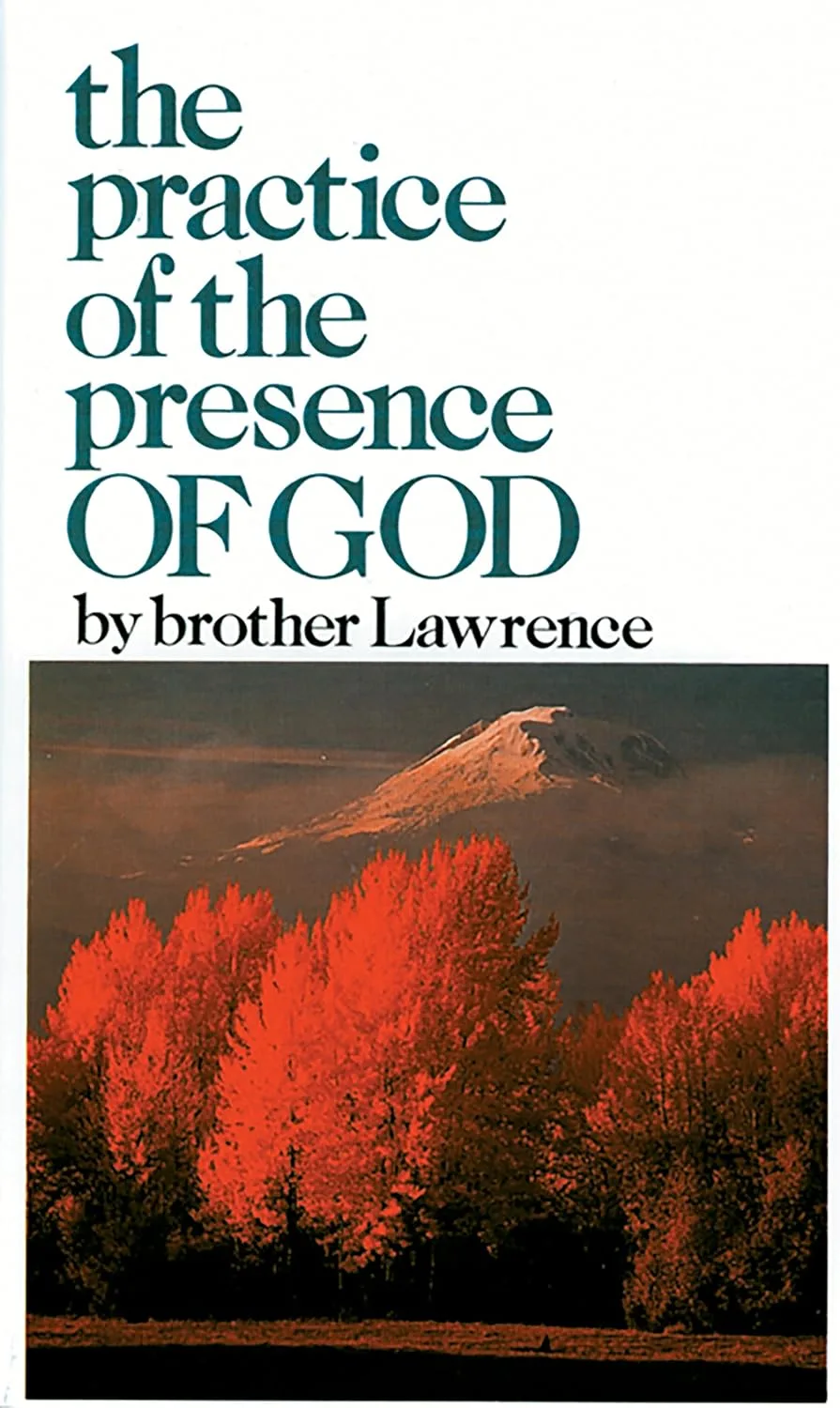
Download Cover Image
Do you want to download the full cover image for The Practice of the Presence of God?