
Wuthering Heights (Penguin Classics)
Paperback
• 416 Pages
• USD 9.00
• English
• 9780141439556
No ratings yet
| Publisher | Penguin Classics |
|---|---|
| ISBN13 | 9780141439556 |
| ASIN/SKU | 0141439556 |
| Book Format | Paperback |
| Language | English |
| Pages | 416 |
| List Price | USD 9.00 |
| Publishing Date | 31/12/2002 |
| Dimensions | 7.7 x 5 x 1 inches |
| Weight | 10.9 ounces |
| Book Code | BD00055525 |
Buy this Book
Amazon Stores
Ebook Stores
Other Stores
Discover Wuthering Heights (Penguin Classics) by Emily Brontë. This book is published by Penguin Classics in Paperback format, ISBN 9780141439556, ASIN 0141439556, under Literature and Fiction, Gothic Fiction, Family Saga Fiction.
Book Description
Emily Brontë’s only novel and a gothic classic—a gripping story of obsession, revenge, and tragedy—now the feature film “Wuthering Heights” from Emerald Fennell, which captures the spirit of this epic love story and stars Margot Robbie as Cathy and Jacob Elordi as Heathcliff.
Emily Brontë's only novel endures as a work of tremendous and far-reaching influence. The Penguin Classics edition is the definitive version of the text, edited with an introduction by Pauline Nestor.
Lockwood, the new tenant of Thrushcross Grange, situated on the bleak Yorkshire moors, is forced to seek shelter one night at Wuthering Heights, the home of his landlord. There he discovers the history of the tempestuous events that took place years before. What unfolds is the tale of the intense love between Heathcliff and Catherine Earnshaw. Catherine, forced to choose between passionate, tortured Heathcliff and gentle, well-bred Edgar Linton, surrenders to the expectations of her class. As Heathcliff's bitterness and vengeance at his betrayal is visited upon the next generation, their innocent heirs must struggle to escape the legacy of the past.
In this edition, a new preface by Lucasta Miller, author of The Brontë Myth, looks at the ways in which the novel has been interpreted, from Charlotte Brontë onwards. This complements Pauline Nestor's introduction, which discusses changing critical receptions of the novel, as well as Emily Brontë's influences and background.
Emily Brontë's only novel endures as a work of tremendous and far-reaching influence. The Penguin Classics edition is the definitive version of the text, edited with an introduction by Pauline Nestor.
Lockwood, the new tenant of Thrushcross Grange, situated on the bleak Yorkshire moors, is forced to seek shelter one night at Wuthering Heights, the home of his landlord. There he discovers the history of the tempestuous events that took place years before. What unfolds is the tale of the intense love between Heathcliff and Catherine Earnshaw. Catherine, forced to choose between passionate, tortured Heathcliff and gentle, well-bred Edgar Linton, surrenders to the expectations of her class. As Heathcliff's bitterness and vengeance at his betrayal is visited upon the next generation, their innocent heirs must struggle to escape the legacy of the past.
In this edition, a new preface by Lucasta Miller, author of The Brontë Myth, looks at the ways in which the novel has been interpreted, from Charlotte Brontë onwards. This complements Pauline Nestor's introduction, which discusses changing critical receptions of the novel, as well as Emily Brontë's influences and background.
Author Biography
Emily Jane Brontë (/ˈbrɒnti/, commonly /ˈbrɒnteɪ/; 30 July 1818 - 19 December 1848) was an English novelist and poet who is best known for her only novel, Wuthering Heights, now considered a classic of English literature. Emily was the third eldest of the four surviving Brontë siblings, between the youngest Anne and her brother Branwell. She wrote under the pen name Ellis Bell.
Bio from Wikipedia, the free encyclopedia. Photo by Patrick Branwell Brontë (http://www.abm-enterprises.net/emily.htm) [Public domain], via Wikimedia Commons.
Bio from Wikipedia, the free encyclopedia. Photo by Patrick Branwell Brontë (http://www.abm-enterprises.net/emily.htm) [Public domain], via Wikimedia Commons.
Editorial Reviews
“It is as if Emily Brontë could tear up all that we know human beings by, and fill these unrecognizable transparencies with such a gust of life that they transcend reality.”—Virginia Woolf
Book Summary
“Wuthering Heights” by Emily Brontë is a dark and passionate novel about love, revenge, cruelty, class, and the destructive power of obsession. Set on the lonely Yorkshire moors, the story follows two families, the Earnshaws of Wuthering Heights and the Lintons of Thrushcross Grange, whose lives become deeply connected through love, hatred, and suffering. The novel is told mainly through the memories of Nelly Dean, a servant who has witnessed much of the family history, and is framed by the perspective of Mr. Lockwood, a tenant who becomes curious about the strange people around him. Through this layered storytelling, the book slowly reveals a tragic history that stretches across generations.
The story begins when Mr. Earnshaw, the owner of Wuthering Heights, returns from a trip to Liverpool with an orphan boy named Heathcliff. He brings Heathcliff into his home and raises him with his own children, Hindley and Catherine. Catherine and Heathcliff quickly become close, forming a wild and intense bond. They roam the moors together and seem to understand each other in a way no one else can. Hindley, however, hates Heathcliff from the beginning. He sees him as an outsider who has stolen his father’s affection. After Mr. Earnshaw dies, Hindley becomes master of Wuthering Heights and treats Heathcliff cruelly, reducing him to the status of a servant and denying him education and dignity.
Despite this mistreatment, Heathcliff and Catherine’s attachment grows stronger. They are alike in their fierce spirits, pride, and resistance to control. Their love is not gentle or peaceful; it is consuming and almost inseparable from their identities. Catherine famously feels that Heathcliff is more herself than she is. However, when Catherine spends time with the refined Linton family at Thrushcross Grange, she is introduced to a different world of manners, wealth, and social status. Edgar Linton, kind, civilized, and wealthy, falls in love with her. Catherine is attracted to the comfort and respectability Edgar can offer, even though her deepest emotional connection remains with Heathcliff.
Catherine decides to marry Edgar, believing that marrying Heathcliff would degrade her socially because of his low position. She thinks she can help Heathcliff with Edgar’s money, but Heathcliff overhears only part of her conversation and believes she has rejected him completely. Hurt and humiliated, he leaves Wuthering Heights without warning. Catherine is devastated, but she goes on to marry Edgar. For a time, she lives at Thrushcross Grange, but her inner conflict remains unresolved. She has chosen social security over the wild love that defines her soul.
Heathcliff returns years later, transformed. He is now wealthy, polished, and determined to take revenge on everyone who hurt him or stood between him and Catherine. His return disrupts both households. Catherine is emotionally shaken by seeing him again, and Edgar becomes jealous and uneasy. Heathcliff also begins manipulating Isabella Linton, Edgar’s innocent sister, not because he loves her, but because marrying her gives him power over Edgar’s family. Isabella mistakes his darkness for romance and runs away with him, only to discover that he is cruel and abusive. Through Isabella, Brontë shows how dangerous it is to romanticize a man driven by hatred.
Catherine’s health declines under the pressure of her emotional conflict. She cannot live fully with Edgar, but she also cannot return to the life she once had with Heathcliff. Her passionate nature, pride, and divided loyalties lead to a physical and mental collapse. She gives birth to a daughter, also named Catherine, and dies soon after. Her death is the central tragedy of the novel. Heathcliff is shattered by grief, but his grief does not soften him. Instead, it deepens his bitterness. He calls for Catherine’s spirit to haunt him, unable to accept a world in which she is gone. His love becomes a form of torment.
After Catherine’s death, the story turns more strongly toward revenge and the next generation. Heathcliff gains control of Wuthering Heights by exploiting Hindley’s weakness, gambling, and alcoholism. Hindley dies ruined, and his son Hareton is left under Heathcliff’s power. Heathcliff raises Hareton in ignorance and humiliation, repeating the same degradation that Hindley once forced upon him. This is one of the novel’s cruelest patterns: the abused becomes the abuser, and suffering is passed from one generation to the next.
Heathcliff also schemes to gain control of Thrushcross Grange. Young Catherine Linton, Edgar and Catherine’s daughter, grows up sheltered and loving, unlike the wild and destructive adults before her. She eventually meets Linton Heathcliff, the sickly son of Heathcliff and Isabella. Heathcliff forces a marriage between young Catherine and Linton so that he can inherit the Grange after Edgar and Linton die. Linton is weak, selfish, and frightened, shaped by his father’s cruelty. After Edgar dies and then Linton dies, Heathcliff succeeds in owning both Wuthering Heights and Thrushcross Grange. His revenge appears complete, but it brings him no happiness.
The younger Catherine is forced to live at Wuthering Heights, where she first treats Hareton with contempt because he is uneducated and rough. Hareton, however, is not cruel at heart. Though he has been neglected and degraded, he has a capacity for loyalty and love. Over time, Catherine begins to recognize his goodness, and she helps him learn to read. Their relationship becomes a healing contrast to the destructive bond between the first Catherine and Heathcliff. Where the older generation was ruled by pride, obsession, and revenge, the younger generation begins to build connection through kindness, patience, and mutual respect.
As Catherine and Hareton grow closer, Heathcliff starts losing interest in revenge. He becomes increasingly haunted by memories and visions of Catherine. The world around him no longer holds meaning without her. His desire for power fades, replaced by a longing for reunion with the dead Catherine. He stops eating, becomes distant, and eventually dies. After his death, local people believe that his ghost walks the moors with Catherine’s spirit. The novel ends with a strange mixture of peace and unease, as Catherine and Hareton prepare for a happier future while the memory of Heathcliff and Catherine remains part of the landscape.
“Wuthering Heights” is not a simple love story. It is a novel about what happens when love becomes possession, when pain turns into revenge, and when social rejection creates lasting wounds. Heathcliff and Catherine’s bond is powerful, but it destroys them and damages nearly everyone around them. At the same time, the younger Catherine and Hareton suggest that the cycle of cruelty can be broken. Emily Brontë’s novel remains unforgettable because it presents human emotion in its rawest form, set against the wild moors that reflect the stormy hearts of its characters.
The story begins when Mr. Earnshaw, the owner of Wuthering Heights, returns from a trip to Liverpool with an orphan boy named Heathcliff. He brings Heathcliff into his home and raises him with his own children, Hindley and Catherine. Catherine and Heathcliff quickly become close, forming a wild and intense bond. They roam the moors together and seem to understand each other in a way no one else can. Hindley, however, hates Heathcliff from the beginning. He sees him as an outsider who has stolen his father’s affection. After Mr. Earnshaw dies, Hindley becomes master of Wuthering Heights and treats Heathcliff cruelly, reducing him to the status of a servant and denying him education and dignity.
Despite this mistreatment, Heathcliff and Catherine’s attachment grows stronger. They are alike in their fierce spirits, pride, and resistance to control. Their love is not gentle or peaceful; it is consuming and almost inseparable from their identities. Catherine famously feels that Heathcliff is more herself than she is. However, when Catherine spends time with the refined Linton family at Thrushcross Grange, she is introduced to a different world of manners, wealth, and social status. Edgar Linton, kind, civilized, and wealthy, falls in love with her. Catherine is attracted to the comfort and respectability Edgar can offer, even though her deepest emotional connection remains with Heathcliff.
Catherine decides to marry Edgar, believing that marrying Heathcliff would degrade her socially because of his low position. She thinks she can help Heathcliff with Edgar’s money, but Heathcliff overhears only part of her conversation and believes she has rejected him completely. Hurt and humiliated, he leaves Wuthering Heights without warning. Catherine is devastated, but she goes on to marry Edgar. For a time, she lives at Thrushcross Grange, but her inner conflict remains unresolved. She has chosen social security over the wild love that defines her soul.
Heathcliff returns years later, transformed. He is now wealthy, polished, and determined to take revenge on everyone who hurt him or stood between him and Catherine. His return disrupts both households. Catherine is emotionally shaken by seeing him again, and Edgar becomes jealous and uneasy. Heathcliff also begins manipulating Isabella Linton, Edgar’s innocent sister, not because he loves her, but because marrying her gives him power over Edgar’s family. Isabella mistakes his darkness for romance and runs away with him, only to discover that he is cruel and abusive. Through Isabella, Brontë shows how dangerous it is to romanticize a man driven by hatred.
Catherine’s health declines under the pressure of her emotional conflict. She cannot live fully with Edgar, but she also cannot return to the life she once had with Heathcliff. Her passionate nature, pride, and divided loyalties lead to a physical and mental collapse. She gives birth to a daughter, also named Catherine, and dies soon after. Her death is the central tragedy of the novel. Heathcliff is shattered by grief, but his grief does not soften him. Instead, it deepens his bitterness. He calls for Catherine’s spirit to haunt him, unable to accept a world in which she is gone. His love becomes a form of torment.
After Catherine’s death, the story turns more strongly toward revenge and the next generation. Heathcliff gains control of Wuthering Heights by exploiting Hindley’s weakness, gambling, and alcoholism. Hindley dies ruined, and his son Hareton is left under Heathcliff’s power. Heathcliff raises Hareton in ignorance and humiliation, repeating the same degradation that Hindley once forced upon him. This is one of the novel’s cruelest patterns: the abused becomes the abuser, and suffering is passed from one generation to the next.
Heathcliff also schemes to gain control of Thrushcross Grange. Young Catherine Linton, Edgar and Catherine’s daughter, grows up sheltered and loving, unlike the wild and destructive adults before her. She eventually meets Linton Heathcliff, the sickly son of Heathcliff and Isabella. Heathcliff forces a marriage between young Catherine and Linton so that he can inherit the Grange after Edgar and Linton die. Linton is weak, selfish, and frightened, shaped by his father’s cruelty. After Edgar dies and then Linton dies, Heathcliff succeeds in owning both Wuthering Heights and Thrushcross Grange. His revenge appears complete, but it brings him no happiness.
The younger Catherine is forced to live at Wuthering Heights, where she first treats Hareton with contempt because he is uneducated and rough. Hareton, however, is not cruel at heart. Though he has been neglected and degraded, he has a capacity for loyalty and love. Over time, Catherine begins to recognize his goodness, and she helps him learn to read. Their relationship becomes a healing contrast to the destructive bond between the first Catherine and Heathcliff. Where the older generation was ruled by pride, obsession, and revenge, the younger generation begins to build connection through kindness, patience, and mutual respect.
As Catherine and Hareton grow closer, Heathcliff starts losing interest in revenge. He becomes increasingly haunted by memories and visions of Catherine. The world around him no longer holds meaning without her. His desire for power fades, replaced by a longing for reunion with the dead Catherine. He stops eating, becomes distant, and eventually dies. After his death, local people believe that his ghost walks the moors with Catherine’s spirit. The novel ends with a strange mixture of peace and unease, as Catherine and Hareton prepare for a happier future while the memory of Heathcliff and Catherine remains part of the landscape.
“Wuthering Heights” is not a simple love story. It is a novel about what happens when love becomes possession, when pain turns into revenge, and when social rejection creates lasting wounds. Heathcliff and Catherine’s bond is powerful, but it destroys them and damages nearly everyone around them. At the same time, the younger Catherine and Hareton suggest that the cycle of cruelty can be broken. Emily Brontë’s novel remains unforgettable because it presents human emotion in its rawest form, set against the wild moors that reflect the stormy hearts of its characters.
Sample Chapters
Sample Chapters will be added soon…
Reader Reviews
No reviews yet.
Wuthering Heights (Penguin Classics)
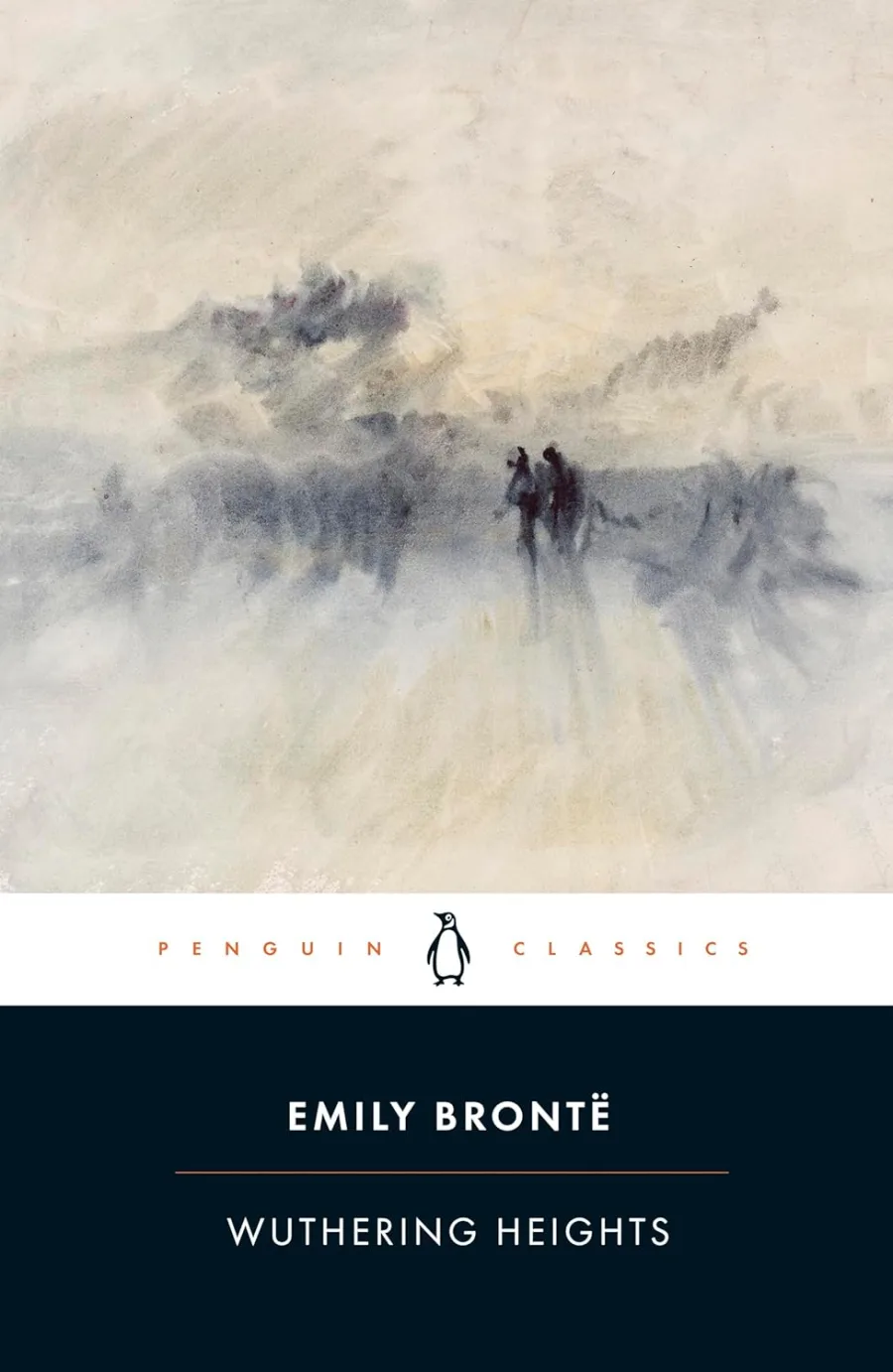
Download Cover Image
Do you want to download the full cover image for Wuthering Heights (Penguin Classics)?