
How to Win Friends and Influence People
Hardcover
• 320 Pages
• USD 28.99
• English
• 9781982171452
No ratings yet
| Publisher | Simon & Schuster |
|---|---|
| ISBN13 | 9781982171452 |
| ASIN/SKU | 1982171456 |
| Book Format | Hardcover |
| Language | English |
| Pages | 320 |
| List Price | USD 28.99 |
| Publishing Date | 17/05/2022 |
| Dimensions | 6 x 1.2 x 9 inches |
| Weight | 1 pounds |
| Book Code | BD00055527 |
Buy this Book
Amazon Stores
Ebook Stores
Other Stores
Discover How to Win Friends and Influence People by Dale Carnegie. This book is published by Simon and Schuster in Hardcover format, ISBN 9781982171452, ASIN 1982171456, under Self-Help, Interpersonal Relations, Communication and Social Skills.
Book Description
Updated for the first time in more than forty years, Dale Carnegie’s timeless bestseller How to Win Friends and Influence People—a classic that has improved and transformed the personal and professional lives of millions.
This new edition of the most influential self-help book of the last century has been updated under the care of Dale’s daughter, Donna, introducing changes that keep the book fresh for today’s readers, with priceless material restored from the original 1936 text.
One of the best-known motivational guides in history, Dale Carnegie’s groundbreaking publication has sold tens of millions of copies, been translated into almost every known written language, and has helped countless people succeed.
Carnegie’s rock-solid, experience-tested advice has remained relevant for generations because he addresses timeless questions about the art of getting along with people. How to Win Friends and Influence People teaches you:
-How to communicate effectively
-How to make people like you
-How to increase your ability to get things done
-How to get others to see your side
-How to become a more effective leader
-How to successfully navigate almost any social situation
-And so much more!
How to Win Friends and Influence People is a historic bestseller for one simple reason: Its crucial life lessons, conveyed through engaging storytelling, have shown readers how to become who they wish to be. With the newly updated version of this classic, that’s as true now as ever.
This new edition of the most influential self-help book of the last century has been updated under the care of Dale’s daughter, Donna, introducing changes that keep the book fresh for today’s readers, with priceless material restored from the original 1936 text.
One of the best-known motivational guides in history, Dale Carnegie’s groundbreaking publication has sold tens of millions of copies, been translated into almost every known written language, and has helped countless people succeed.
Carnegie’s rock-solid, experience-tested advice has remained relevant for generations because he addresses timeless questions about the art of getting along with people. How to Win Friends and Influence People teaches you:
-How to communicate effectively
-How to make people like you
-How to increase your ability to get things done
-How to get others to see your side
-How to become a more effective leader
-How to successfully navigate almost any social situation
-And so much more!
How to Win Friends and Influence People is a historic bestseller for one simple reason: Its crucial life lessons, conveyed through engaging storytelling, have shown readers how to become who they wish to be. With the newly updated version of this classic, that’s as true now as ever.
Author Biography
Dale Carnegie (1888-1955) described himself as a "simple country boy" from Missouri but was also a pioneer of the self-improvement genre. Since the 1936 publication of his first book, How to Win Friends and Influence People, he has touched millions of readers and his classic works continue to impact lives to this day.
Editorial Reviews
Editorial Reviews will be added soon…
Book Summary
Dale Carnegie’s “How to Win Friends and Influence People” is one of the most famous self-help books ever published, and its core message remains strikingly relevant today because human nature rarely changes. At its heart, the book is not about manipulation or using cheap psychological tricks to get your way. Instead, it is a profoundly humanistic guide to dealing with others effectively by fundamentally changing how you view and interact with them. Carnegie argues that success in life, whether personal or professional, comes down largely to your ability to communicate, build relationships, and lead with empathy rather than authority.
The foundation of Carnegie’s philosophy rests on a few basic techniques for handling people, the most important of which is to completely abandon criticism, condemnation, and complaining. Carnegie points out that criticism is futile because it immediately puts a person on the defensive and usually makes them strive to justify themselves. When we criticize someone, we aren't inspiring change; we are wounding their pride and arousing resentment. Instead of judging people, he suggests we should try to understand why they do what they do. Alongside avoiding criticism, we must learn to give honest and sincere appreciation. This is entirely different from flattery, which is shallow and selfish. Sincere appreciation fulfills one of the deepest human needs: the craving to feel important. If you can make someone genuinely feel valued, you will unlock a profound level of cooperation and goodwill. Furthermore, if you want to persuade someone to do something, you must focus entirely on what they want, not what you want. You have to arouse in the other person an eager want by aligning your request with their own deepest desires.
Building on this foundation, Carnegie outlines incredibly simple yet powerful ways to make people like you. The secret is surprisingly straightforward: you must become genuinely interested in other people rather than trying to get them interested in you. You can make more friends in two months by showing interest in others than you can in two years by trying to impress them. This involves simple, everyday actions. A genuine smile, for instance, signals warmth and approachability, instantly making others feel welcome. Similarly, remembering and using a person’s name is crucial; to that person, their name is the sweetest and most important sound in any language. Additionally, you must become a brilliant listener. Most people would rather talk about themselves than listen to you, so by giving them your full, undivided attention and encouraging them to share their stories, you become a great conversationalist without saying much at all. When you do speak, talk in terms of the other person's interests, making them feel important and validated.
When it comes to winning people over to your way of thinking, Carnegie’s advice is highly counterintuitive: the only way to get the best of an argument is to avoid it altogether. Arguments usually end with both parties more firmly convinced that they are right. Even if you "win" the debate by tearing apart their logic, you lose the person's goodwill. If a disagreement happens, you should never tell a person they are directly wrong, as this is an attack on their intelligence and pride. Conversely, if you happen to be wrong, you should admit it quickly and emphatically. Taking ownership of your mistakes disarms the other person and drastically reduces their defensive posture. When you need to persuade someone, always begin in a friendly manner, and try to get them saying "yes" immediately to build positive momentum. Let the other person do a great deal of the talking, and whenever possible, let them feel that the idea you are proposing is actually theirs. By honestly trying to see things from their point of view and being sympathetic to their feelings, you turn adversaries into allies.
Finally, the book addresses how to be a leader and change people's behavior without causing offense or arousing resentment. No one likes taking direct orders. If you need to correct someone's behavior, you should never begin with a harsh critique. Always start with sincere praise and appreciation, creating a comfortable emotional cushion before bringing up a shortcoming. When you do address mistakes, try to call attention to them indirectly rather than pointing fingers. It is also incredibly effective to talk about your own mistakes before criticizing the other person, which shows humility and makes the feedback feel less like an attack. Instead of barking commands, ask questions like, "Do you think this would work?" or "What are your thoughts on this?" This approach empowers people and fosters cooperation rather than rebellion. Above all, you must always let the other person save face. If you publicly humiliate someone, you destroy any chance of future cooperation. By praising every slight improvement, giving people a fine reputation to live up to, and making faults seem easy to correct, you inspire them to become the best version of themselves.
Ultimately, Dale Carnegie’s masterpiece is a timeless reminder that relationships are the currency of a fulfilling life. The book teaches us that by putting our own egos aside, stepping into the shoes of others, treating them with profound respect, and genuinely caring about their feelings, we can navigate the complexities of human interaction with grace and incredible success.
The foundation of Carnegie’s philosophy rests on a few basic techniques for handling people, the most important of which is to completely abandon criticism, condemnation, and complaining. Carnegie points out that criticism is futile because it immediately puts a person on the defensive and usually makes them strive to justify themselves. When we criticize someone, we aren't inspiring change; we are wounding their pride and arousing resentment. Instead of judging people, he suggests we should try to understand why they do what they do. Alongside avoiding criticism, we must learn to give honest and sincere appreciation. This is entirely different from flattery, which is shallow and selfish. Sincere appreciation fulfills one of the deepest human needs: the craving to feel important. If you can make someone genuinely feel valued, you will unlock a profound level of cooperation and goodwill. Furthermore, if you want to persuade someone to do something, you must focus entirely on what they want, not what you want. You have to arouse in the other person an eager want by aligning your request with their own deepest desires.
Building on this foundation, Carnegie outlines incredibly simple yet powerful ways to make people like you. The secret is surprisingly straightforward: you must become genuinely interested in other people rather than trying to get them interested in you. You can make more friends in two months by showing interest in others than you can in two years by trying to impress them. This involves simple, everyday actions. A genuine smile, for instance, signals warmth and approachability, instantly making others feel welcome. Similarly, remembering and using a person’s name is crucial; to that person, their name is the sweetest and most important sound in any language. Additionally, you must become a brilliant listener. Most people would rather talk about themselves than listen to you, so by giving them your full, undivided attention and encouraging them to share their stories, you become a great conversationalist without saying much at all. When you do speak, talk in terms of the other person's interests, making them feel important and validated.
When it comes to winning people over to your way of thinking, Carnegie’s advice is highly counterintuitive: the only way to get the best of an argument is to avoid it altogether. Arguments usually end with both parties more firmly convinced that they are right. Even if you "win" the debate by tearing apart their logic, you lose the person's goodwill. If a disagreement happens, you should never tell a person they are directly wrong, as this is an attack on their intelligence and pride. Conversely, if you happen to be wrong, you should admit it quickly and emphatically. Taking ownership of your mistakes disarms the other person and drastically reduces their defensive posture. When you need to persuade someone, always begin in a friendly manner, and try to get them saying "yes" immediately to build positive momentum. Let the other person do a great deal of the talking, and whenever possible, let them feel that the idea you are proposing is actually theirs. By honestly trying to see things from their point of view and being sympathetic to their feelings, you turn adversaries into allies.
Finally, the book addresses how to be a leader and change people's behavior without causing offense or arousing resentment. No one likes taking direct orders. If you need to correct someone's behavior, you should never begin with a harsh critique. Always start with sincere praise and appreciation, creating a comfortable emotional cushion before bringing up a shortcoming. When you do address mistakes, try to call attention to them indirectly rather than pointing fingers. It is also incredibly effective to talk about your own mistakes before criticizing the other person, which shows humility and makes the feedback feel less like an attack. Instead of barking commands, ask questions like, "Do you think this would work?" or "What are your thoughts on this?" This approach empowers people and fosters cooperation rather than rebellion. Above all, you must always let the other person save face. If you publicly humiliate someone, you destroy any chance of future cooperation. By praising every slight improvement, giving people a fine reputation to live up to, and making faults seem easy to correct, you inspire them to become the best version of themselves.
Ultimately, Dale Carnegie’s masterpiece is a timeless reminder that relationships are the currency of a fulfilling life. The book teaches us that by putting our own egos aside, stepping into the shoes of others, treating them with profound respect, and genuinely caring about their feelings, we can navigate the complexities of human interaction with grace and incredible success.
Sample Chapters
Sample Chapters will be added soon…
Reader Reviews
No reviews yet.
How to Win Friends and Influence People
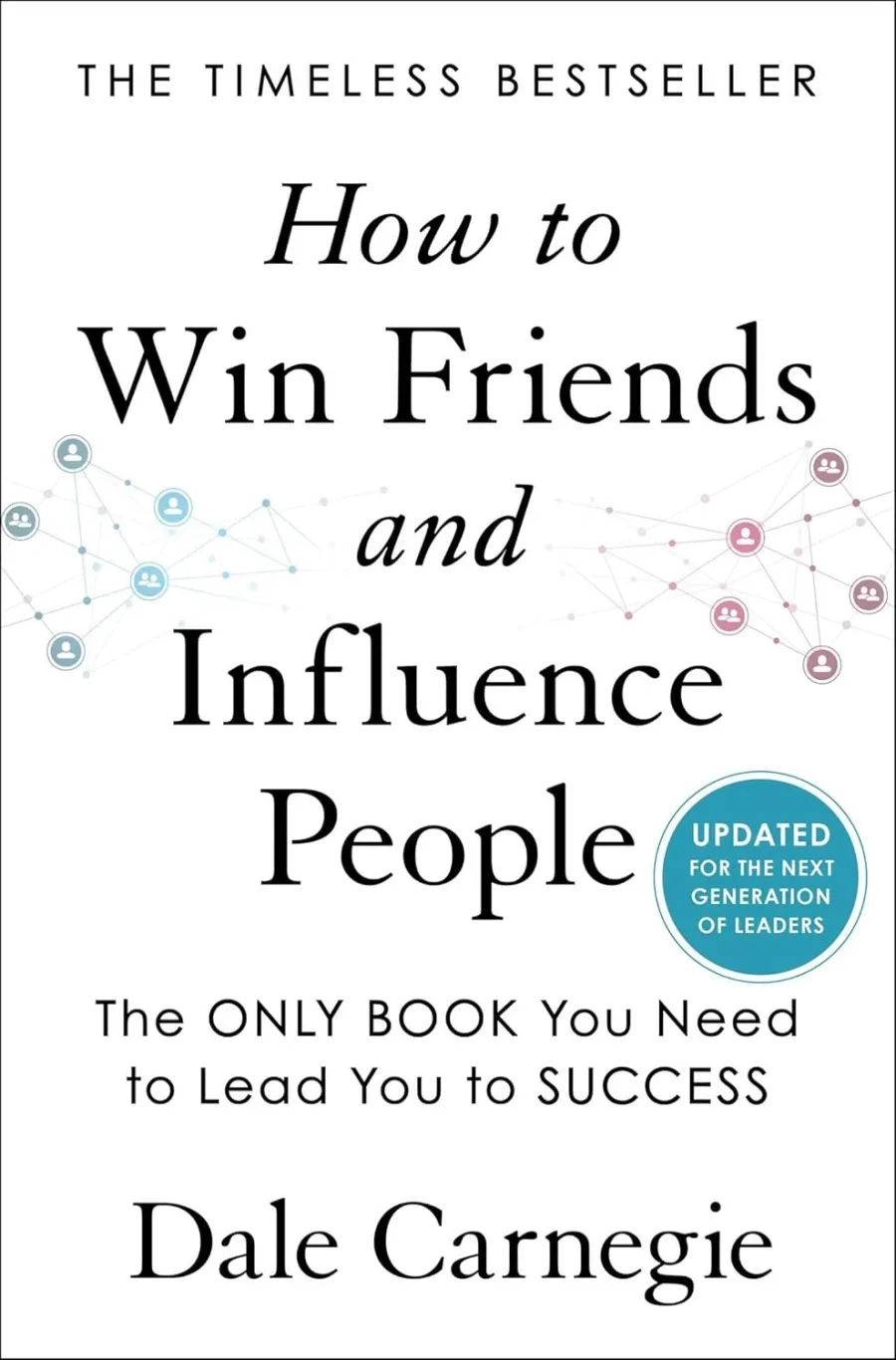
Download Cover Image
Do you want to download the full cover image for How to Win Friends and Influence People?