
The Body Keeps the Score: Brain, Mind, and Body in the Healing of Trauma
Paperback
• 464 Pages
• USD 19.00
• English
• 9780143127741
No ratings yet
| Publisher | Penguin Books |
|---|---|
| ISBN13 | 9780143127741 |
| ASIN/SKU | 0143127748 |
| Book Format | Paperback |
| Language | English |
| Pages | 464 |
| List Price | USD 19.00 |
| Publishing Date | 08/09/2015 |
| Dimensions | 1.1 x 5.4 x 8.4 inches |
| Weight | 14.4 ounces |
| Book Code | BD00055560 |
Buy this Book
Amazon Stores
Ebook Stores
Other Stores
Discover The Body Keeps the Score: Brain, Mind, and Body in the Healing of Trauma by Bessel van der Kolk M.D.. This book is published by Penguin Books in Paperback format, ISBN 9780143127741, ASIN 0143127748, under Health, Fitness and Dieting, Post-Traumatic Stress, Anxiety.
Book Description
#1 New York Times bestseller
“Essential reading for anyone interested in understanding and treating traumatic stress and the scope of its impact on society.” —Alexander McFarlane, Director of the Centre for Traumatic Stress Studies
A pioneering researcher transforms our understanding of trauma and offers a bold new paradigm for healing in this New York Times bestseller
Trauma is a fact of life. Veterans and their families deal with the painful aftermath of combat; one in five Americans has been molested; one in four grew up with alcoholics; one in three couples have engaged in physical violence. Dr. Bessel van der Kolk, one of the world’s foremost experts on trauma, has spent over three decades working with survivors. In The Body Keeps the Score, he uses recent scientific advances to show how trauma literally reshapes both body and brain, compromising sufferers’ capacities for pleasure, engagement, self-control, and trust. He explores innovative treatments—from neurofeedback and meditation to sports, drama, and yoga—that offer new paths to recovery by activating the brain’s natural neuroplasticity. Based on Dr. van der Kolk’s own research and that of other leading specialists, The Body Keeps the Score exposes the tremendous power of our relationships both to hurt and to heal—and offers new hope for reclaiming lives.
“Essential reading for anyone interested in understanding and treating traumatic stress and the scope of its impact on society.” —Alexander McFarlane, Director of the Centre for Traumatic Stress Studies
A pioneering researcher transforms our understanding of trauma and offers a bold new paradigm for healing in this New York Times bestseller
Trauma is a fact of life. Veterans and their families deal with the painful aftermath of combat; one in five Americans has been molested; one in four grew up with alcoholics; one in three couples have engaged in physical violence. Dr. Bessel van der Kolk, one of the world’s foremost experts on trauma, has spent over three decades working with survivors. In The Body Keeps the Score, he uses recent scientific advances to show how trauma literally reshapes both body and brain, compromising sufferers’ capacities for pleasure, engagement, self-control, and trust. He explores innovative treatments—from neurofeedback and meditation to sports, drama, and yoga—that offer new paths to recovery by activating the brain’s natural neuroplasticity. Based on Dr. van der Kolk’s own research and that of other leading specialists, The Body Keeps the Score exposes the tremendous power of our relationships both to hurt and to heal—and offers new hope for reclaiming lives.
Author Biography
Bessel van der Kolk (born 1943) is a Boston based psychiatrist noted for his research in the area of post-traumatic stress since the 1970s. His work focuses on the interaction of attachment, neurobiology, and developmental aspects of trauma’s effects on people. His major publication, the New York Times bestseller, 'The Body keeps the Score', talks about how the role of trauma in psychiatric illness has changed over the past 20 years; what we have learned about the ways the brain is shaped by traumatic experiences; how traumatic stress is a response of the entire organism and how that knowledge needs be integrated into healing practices.
Bio from Wikipedia, the free encyclopedia.
Bio from Wikipedia, the free encyclopedia.
Editorial Reviews
“The trauma caused by childhood neglect, sexual or domestic abuse and war wreaks havoc in our bodies, says Bessel van der Kolk in The Body Keeps the Score. . . . Van der Kolk draws on thirty years of experience to argue powerfully that trauma is one of the West’s most urgent public health issues. . . . Packed with science and human stories, the book is an intense read. . . . [T]he struggle and resilience of his patients is very moving.”
—Shaoni Bhattacharya, New Scientist
“War zones may be nearer than you think, as the 25 percent of US citizens raised with alcoholic relatives might attest. Psychiatrist Bessel van der Kolk argues, moreover, that severe trauma is ‘encoded in the viscera’ and demands tailored approaches that enable people to experience deep relief from rage and helplessness. In a narrative packed with decades of findings and case studies, he traces the evolution of treatments from the ‘chemical coshes’ of the 1970s to neurofeedback, mindfulness and other nuanced techniques.”
—Nature
“An astonishing amount of information on almost every aspect of trauma experience, research, interventions, and theories is brought together in this book, which . . . has a distinctly holistic feel to it. The title suggests that what will be explored is how the body retains the imprints of trauma. However, it delivers much more than this, delving into how the brain is impacted by overwhelming traumatic events, and is studded with sections on neuroscience which draw on the author’s own numerous studies as well as that of his peers. In addition, it investigates the effects of adverse childhood attachment patterns, child abuse, and chronic and long-term abuse. . . . [T]his book is a veritable goldmine of information.”
—European Journal of Psychotraumatology
“Dr. van der Kolk . . . has written a fascinating and empowering book about trauma and its effects. He uses modern neuroscience to demonstrate that trauma physically affects the brain and the body, causing anxiety, rage, and the inability to concentrate. Victims have problems remembering, trusting, and forming relationships. They have lost control. Although news reports and discussions tend to focus on war veterans, abused children, domestic violence victims, and victims of violent crime suffer as well. Using a combination of traditional therapy techniques and alternative treatments such as EMDR, yoga, neurofeedback, and theater, patients can regain control of their bodies and rewire their brains so that they can rebuild their lives. The author uses case histories to demonstrate the process. He includes a resource list, bibliography, and extensive notes. This accessible book offers hope and inspiration to those who suffer from trauma and those who care for them. It is an outstanding addition to all library collections.
—Medical Library Association, Consumer Connections
—Shaoni Bhattacharya, New Scientist
“War zones may be nearer than you think, as the 25 percent of US citizens raised with alcoholic relatives might attest. Psychiatrist Bessel van der Kolk argues, moreover, that severe trauma is ‘encoded in the viscera’ and demands tailored approaches that enable people to experience deep relief from rage and helplessness. In a narrative packed with decades of findings and case studies, he traces the evolution of treatments from the ‘chemical coshes’ of the 1970s to neurofeedback, mindfulness and other nuanced techniques.”
—Nature
“An astonishing amount of information on almost every aspect of trauma experience, research, interventions, and theories is brought together in this book, which . . . has a distinctly holistic feel to it. The title suggests that what will be explored is how the body retains the imprints of trauma. However, it delivers much more than this, delving into how the brain is impacted by overwhelming traumatic events, and is studded with sections on neuroscience which draw on the author’s own numerous studies as well as that of his peers. In addition, it investigates the effects of adverse childhood attachment patterns, child abuse, and chronic and long-term abuse. . . . [T]his book is a veritable goldmine of information.”
—European Journal of Psychotraumatology
“Dr. van der Kolk . . . has written a fascinating and empowering book about trauma and its effects. He uses modern neuroscience to demonstrate that trauma physically affects the brain and the body, causing anxiety, rage, and the inability to concentrate. Victims have problems remembering, trusting, and forming relationships. They have lost control. Although news reports and discussions tend to focus on war veterans, abused children, domestic violence victims, and victims of violent crime suffer as well. Using a combination of traditional therapy techniques and alternative treatments such as EMDR, yoga, neurofeedback, and theater, patients can regain control of their bodies and rewire their brains so that they can rebuild their lives. The author uses case histories to demonstrate the process. He includes a resource list, bibliography, and extensive notes. This accessible book offers hope and inspiration to those who suffer from trauma and those who care for them. It is an outstanding addition to all library collections.
—Medical Library Association, Consumer Connections
Book Summary
The Body Keeps the Score: Brain, Mind, and Body in the Healing of Trauma by Bessel van der Kolk is a deep exploration of what trauma does to people and how they can truly heal. Drawing on decades of clinical work, research, and personal stories, van der Kolk shows that trauma is not just a bad memory or an emotional wound—it literally reshapes the brain and body. When someone goes through overwhelming experiences such as abuse, neglect, war, accidents, or violence, their nervous system, hormones, perception, and sense of self are all affected. The title captures the book’s central idea: even when the mind tries to forget or minimize what happened, the body remembers. Symptoms like anxiety, nightmares, chronic pain, dissociation, rage, numbness, and self-destructive behaviors are not random; they are the body’s way of signaling that something has gone terribly wrong and has never been fully processed.
Van der Kolk begins by explaining how trauma changes the brain. He describes how the parts of the brain responsible for survival can become overactive, while areas involved in language, rational thinking, and emotional regulation may go offline during trauma and remain compromised afterwards. This helps explain why traumatized people may feel constantly on edge or shut down, why they overreact to small triggers, or struggle to explain what they feel. He also emphasizes how trauma disrupts the sense of time: survivors can feel like the traumatic event is still happening in the present, even years later. The brain keeps replaying the danger, making everyday life feel unsafe and unpredictable. This is why trauma cannot be healed simply by “getting over it” or thinking more positively; the changes are embedded in the nervous system.
The book uses many case examples—from abused children and domestic violence survivors to war veterans and disaster victims—to show the wide range of traumatic experiences and responses. Van der Kolk highlights that trauma is not only what happens to someone, but also what doesn’t happen afterwards: protection, understanding, and support. When people are met with disbelief, blame, or silence, the trauma sinks even deeper. Many of the individuals he describes struggle with relationships, trust, and self-worth. Some use substances, self-harm, eating disorders, or risky behavior as attempts to escape unbearable emotions or to feel something when they have gone numb. Others become workaholics or perfectionists, constantly trying to control their environment to avoid feeling vulnerable. He repeatedly shows that these behaviors are not signs of “weakness” or “bad character,” but coping strategies for unhealed pain.
Van der Kolk criticizes traditional approaches that focus narrowly on medication or talk therapy alone. He does not reject these tools entirely, but he argues they are often insufficient. Medication may dull symptoms, and talking about trauma can help create understanding, but if the body remains stuck in patterns of fight, flight, or freeze, the person may continue to feel unsafe and disconnected. The book stresses that effective trauma treatment must involve the whole person: brain, mind, and body. Real healing requires helping the nervous system relax, restoring a sense of safety, and reconnecting people with their physical sensations and emotions in a way that feels bearable and controlled.
One of the book’s key themes is the importance of body-based and experiential therapies. Van der Kolk discusses methods such as yoga, mindfulness, breathwork, EMDR (Eye Movement Desensitization and Reprocessing), neurofeedback, theater, and other creative, movement-based approaches. These methods help people notice sensations in their bodies, tolerate those feelings without being overwhelmed, and gradually transform how their nervous systems respond. For example, yoga and mindful breathing can calm the stress response and increase awareness of the present moment. EMDR uses bilateral stimulation (like eye movements) while recalling traumatic memories to help the brain reprocess them and store them in a less disturbing way. Neurofeedback gives real-time information about brain activity so individuals can learn to regulate it. Theater and group activities allow survivors to safely explore roles, emotions, and connection with others. All of these approaches help shift trauma from something that controls the person into something that can be integrated and understood.
The book also explores how trauma affects young children and the lifelong consequences of early neglect and abuse. Van der Kolk describes how growing up in a frightening or unstable environment can shape a child’s brain development, attachment style, and ability to regulate emotion. Such children may later be diagnosed with multiple psychiatric labels, yet the root is often unaddressed trauma. He argues strongly for trauma-informed education, child protection, and social policy. Schools, courts, and healthcare systems, he believes, often punish or pathologize traumatized behavior instead of seeing it as a survival response. He calls for systems that recognize trauma, respond with compassion, and support healing rather than simply controlling behavior.
Another important aspect of the book is the exploration of memory. Traumatic memories do not always appear as clear stories; they may exist as bodily sensations, flashes of images, or emotions without words. Van der Kolk shows that insisting someone “just tell the story” can sometimes push them into re-experiencing the trauma rather than resolving it. Instead, safe and gradual approaches are needed, helping people feel grounded in the present while processing the past. He emphasizes the importance of choice and control in healing: trauma often involves being powerless, so recovery must involve restoring a sense of agency. Therapies that allow survivors to decide what pace to go, what they share, and how they participate help rebuild this sense of control.
Throughout the book, van der Kolk highlights the role of relationships in both causing and healing trauma. Much trauma is interpersonal—abuse, betrayal, neglect—and it damages the capacity to trust. At the same time, supportive relationships are one of the most powerful healing forces. A therapist, friend, partner, group, or community that offers safety, empathy, and reliability can help traumatized people slowly risk connection again. He stresses that feeling seen and accepted, rather than judged or dismissed, is crucial. Healing is not about erasing the past, but about feeling that the past no longer defines or controls every moment of life.
In the later chapters, van der Kolk calls for a broader cultural shift. He wants medicine, psychiatry, and society to move away from simply naming disorders and prescribing pills, toward truly understanding trauma and its impact. He argues that we must recognize how common trauma is—especially among those in prisons, psychiatric hospitals, and marginalized communities—and design responses that focus on safety, dignity, and restoration. He also emphasizes that healing is possible. Even though trauma leaves marks on the brain and body, those marks are not a life sentence. With the right approaches, people can find calm, connection, and meaning again.
Overall, The Body Keeps the Score presents trauma as a complex, deeply embodied experience and offers hope through an integrated view of healing. It invites readers—whether professionals, survivors, or loved ones—to see traumatic reactions not as madness or weakness, but as the body’s honest attempt to cope with overwhelming events. By honoring what the body remembers and using both scientific insight and human compassion, van der Kolk shows that recovery is not about forgetting what happened, but about reclaiming one’s life from its grip.
Van der Kolk begins by explaining how trauma changes the brain. He describes how the parts of the brain responsible for survival can become overactive, while areas involved in language, rational thinking, and emotional regulation may go offline during trauma and remain compromised afterwards. This helps explain why traumatized people may feel constantly on edge or shut down, why they overreact to small triggers, or struggle to explain what they feel. He also emphasizes how trauma disrupts the sense of time: survivors can feel like the traumatic event is still happening in the present, even years later. The brain keeps replaying the danger, making everyday life feel unsafe and unpredictable. This is why trauma cannot be healed simply by “getting over it” or thinking more positively; the changes are embedded in the nervous system.
The book uses many case examples—from abused children and domestic violence survivors to war veterans and disaster victims—to show the wide range of traumatic experiences and responses. Van der Kolk highlights that trauma is not only what happens to someone, but also what doesn’t happen afterwards: protection, understanding, and support. When people are met with disbelief, blame, or silence, the trauma sinks even deeper. Many of the individuals he describes struggle with relationships, trust, and self-worth. Some use substances, self-harm, eating disorders, or risky behavior as attempts to escape unbearable emotions or to feel something when they have gone numb. Others become workaholics or perfectionists, constantly trying to control their environment to avoid feeling vulnerable. He repeatedly shows that these behaviors are not signs of “weakness” or “bad character,” but coping strategies for unhealed pain.
Van der Kolk criticizes traditional approaches that focus narrowly on medication or talk therapy alone. He does not reject these tools entirely, but he argues they are often insufficient. Medication may dull symptoms, and talking about trauma can help create understanding, but if the body remains stuck in patterns of fight, flight, or freeze, the person may continue to feel unsafe and disconnected. The book stresses that effective trauma treatment must involve the whole person: brain, mind, and body. Real healing requires helping the nervous system relax, restoring a sense of safety, and reconnecting people with their physical sensations and emotions in a way that feels bearable and controlled.
One of the book’s key themes is the importance of body-based and experiential therapies. Van der Kolk discusses methods such as yoga, mindfulness, breathwork, EMDR (Eye Movement Desensitization and Reprocessing), neurofeedback, theater, and other creative, movement-based approaches. These methods help people notice sensations in their bodies, tolerate those feelings without being overwhelmed, and gradually transform how their nervous systems respond. For example, yoga and mindful breathing can calm the stress response and increase awareness of the present moment. EMDR uses bilateral stimulation (like eye movements) while recalling traumatic memories to help the brain reprocess them and store them in a less disturbing way. Neurofeedback gives real-time information about brain activity so individuals can learn to regulate it. Theater and group activities allow survivors to safely explore roles, emotions, and connection with others. All of these approaches help shift trauma from something that controls the person into something that can be integrated and understood.
The book also explores how trauma affects young children and the lifelong consequences of early neglect and abuse. Van der Kolk describes how growing up in a frightening or unstable environment can shape a child’s brain development, attachment style, and ability to regulate emotion. Such children may later be diagnosed with multiple psychiatric labels, yet the root is often unaddressed trauma. He argues strongly for trauma-informed education, child protection, and social policy. Schools, courts, and healthcare systems, he believes, often punish or pathologize traumatized behavior instead of seeing it as a survival response. He calls for systems that recognize trauma, respond with compassion, and support healing rather than simply controlling behavior.
Another important aspect of the book is the exploration of memory. Traumatic memories do not always appear as clear stories; they may exist as bodily sensations, flashes of images, or emotions without words. Van der Kolk shows that insisting someone “just tell the story” can sometimes push them into re-experiencing the trauma rather than resolving it. Instead, safe and gradual approaches are needed, helping people feel grounded in the present while processing the past. He emphasizes the importance of choice and control in healing: trauma often involves being powerless, so recovery must involve restoring a sense of agency. Therapies that allow survivors to decide what pace to go, what they share, and how they participate help rebuild this sense of control.
Throughout the book, van der Kolk highlights the role of relationships in both causing and healing trauma. Much trauma is interpersonal—abuse, betrayal, neglect—and it damages the capacity to trust. At the same time, supportive relationships are one of the most powerful healing forces. A therapist, friend, partner, group, or community that offers safety, empathy, and reliability can help traumatized people slowly risk connection again. He stresses that feeling seen and accepted, rather than judged or dismissed, is crucial. Healing is not about erasing the past, but about feeling that the past no longer defines or controls every moment of life.
In the later chapters, van der Kolk calls for a broader cultural shift. He wants medicine, psychiatry, and society to move away from simply naming disorders and prescribing pills, toward truly understanding trauma and its impact. He argues that we must recognize how common trauma is—especially among those in prisons, psychiatric hospitals, and marginalized communities—and design responses that focus on safety, dignity, and restoration. He also emphasizes that healing is possible. Even though trauma leaves marks on the brain and body, those marks are not a life sentence. With the right approaches, people can find calm, connection, and meaning again.
Overall, The Body Keeps the Score presents trauma as a complex, deeply embodied experience and offers hope through an integrated view of healing. It invites readers—whether professionals, survivors, or loved ones—to see traumatic reactions not as madness or weakness, but as the body’s honest attempt to cope with overwhelming events. By honoring what the body remembers and using both scientific insight and human compassion, van der Kolk shows that recovery is not about forgetting what happened, but about reclaiming one’s life from its grip.
Sample Chapters
Sample Chapters will be added soon…
Reader Reviews
No reviews yet.
The Body Keeps the Score: Brain, Mind, and Body in the Healing of Trauma
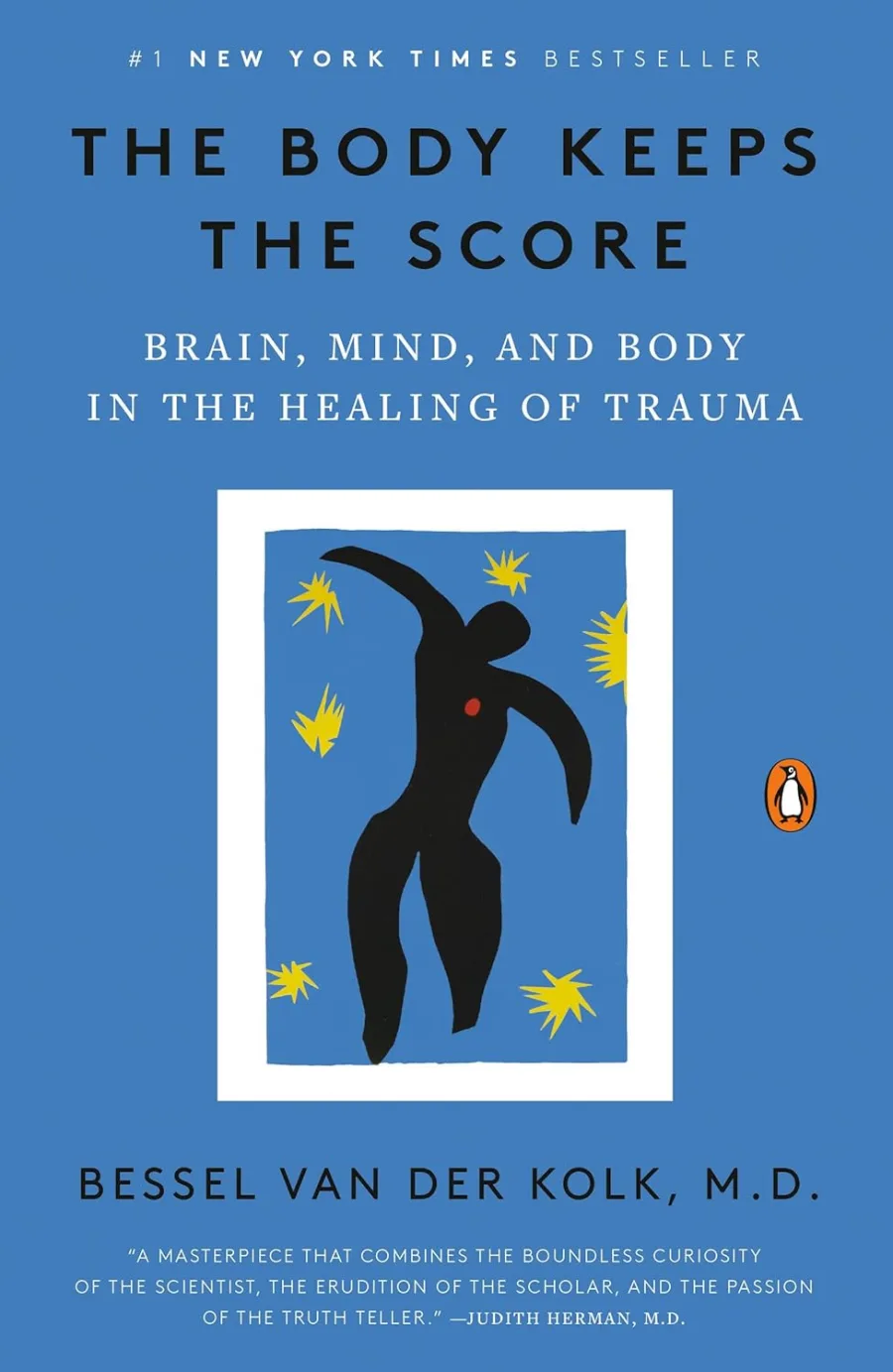
Download Cover Image
Do you want to download the full cover image for The Body Keeps the Score: Brain, Mind, and Body in the Healing of Trauma?