
The Family Upstairs: A Novel
Paperback
• 384 Pages
• USD 18.99
• English
• 9781501190117
No ratings yet
| Publisher | Atria Books |
|---|---|
| ISBN13 | 9781501190117 |
| ASIN/SKU | 1501190113 |
| Book Format | Paperback |
| Language | English |
| Pages | 384 |
| List Price | USD 18.99 |
| Publishing Date | 02/06/2022 |
| Dimensions | 5.31 x 1 x 8.25 inches |
| Weight | 2.31 pounds |
| Book Code | BD00055612 |
Buy this Book
Amazon Stores
Ebook Stores
Other Stores
Discover The Family Upstairs: A Novel by Lisa Jewell. This book is published by Atria Books in Paperback format, ISBN 9781501190117, ASIN 1501190113, under Mystery, Thriller and Suspense, Ghost Thrillers, Domestic Thrillers.
Book Description
INSTANT NEW YORK TIMES BESTSELLER
A GOOD MORNING AMERICA COVER TO COVER BOOK CLUB PICK
“Rich, dark, and intricately twisted, this enthralling whodunit mixes family saga with domestic noir to brilliantly chilling effect.” —Ruth Ware, New York Times bestselling author
“A haunting, atmospheric, stay-up-way-too-late read.” —Megan Miranda, New York Times bestselling author
From the #1 New York Times bestselling author of None of This Is True comes another page-turning look inside one family’s past as buried secrets threaten to come to light.
Be careful who you let in.
Soon after her twenty-fifth birthday, Libby Jones returns home from work to find the letter she’s been waiting for her entire life. She rips it open with one driving thought: I am finally going to know who I am.
She soon learns not only the identity of her birth parents, but also that she is the sole inheritor of their abandoned mansion on the banks of the Thames in London’s fashionable Chelsea neighborhood, worth millions. Everything in Libby’s life is about to change. But what she can’t possibly know is that others have been waiting for this day as well—and she is on a collision course to meet them.
Twenty-five years ago, police were called to 16 Cheyne Walk with reports of a baby crying. When they arrived, they found a healthy ten-month-old happily cooing in her crib in the bedroom. Downstairs in the kitchen lay three dead bodies, all dressed in black, next to a hastily scrawled note. And the four other children reported to live at Cheyne Walk were gone.
In The Family Upstairs, the master of “bone-chilling suspense” (People) brings us the can’t-look-away story of three entangled families living in a house with the darkest of secrets.
A GOOD MORNING AMERICA COVER TO COVER BOOK CLUB PICK
“Rich, dark, and intricately twisted, this enthralling whodunit mixes family saga with domestic noir to brilliantly chilling effect.” —Ruth Ware, New York Times bestselling author
“A haunting, atmospheric, stay-up-way-too-late read.” —Megan Miranda, New York Times bestselling author
From the #1 New York Times bestselling author of None of This Is True comes another page-turning look inside one family’s past as buried secrets threaten to come to light.
Be careful who you let in.
Soon after her twenty-fifth birthday, Libby Jones returns home from work to find the letter she’s been waiting for her entire life. She rips it open with one driving thought: I am finally going to know who I am.
She soon learns not only the identity of her birth parents, but also that she is the sole inheritor of their abandoned mansion on the banks of the Thames in London’s fashionable Chelsea neighborhood, worth millions. Everything in Libby’s life is about to change. But what she can’t possibly know is that others have been waiting for this day as well—and she is on a collision course to meet them.
Twenty-five years ago, police were called to 16 Cheyne Walk with reports of a baby crying. When they arrived, they found a healthy ten-month-old happily cooing in her crib in the bedroom. Downstairs in the kitchen lay three dead bodies, all dressed in black, next to a hastily scrawled note. And the four other children reported to live at Cheyne Walk were gone.
In The Family Upstairs, the master of “bone-chilling suspense” (People) brings us the can’t-look-away story of three entangled families living in a house with the darkest of secrets.
Author Biography
Lisa Jewell is the #1 New York Times bestselling author of twenty-four novels, including Don’t Let Him In, None of This Is True, The Family Upstairs, and Then She Was Gone, as well as Invisible Girl and Watching You. Her novels have sold more than fifteen million copies internationally, and her work has also been translated into over thirty languages. Connect with her on X @LisaJewellUK, on Instagram @LisaJewellUK, and on Facebook @LisaJewellOfficial.
Editorial Reviews
Praise for The Family Upstairs:
“Lisa Jewell has done it again—rich, dark and intricately twisted, this enthralling whodunnit mixes family saga with domestic noir to brilliantly chilling effect.” —RUTH WARE, New York Times bestselling author
“Your hands quake. Your breath fades. Your heart wallops your ribs. Medical emergency or Lisa Jewell novel? Few writers of psychological suspense devise such swift, slippery plots; fewer still people their stories with characters so human and complex. The Family Upstairs glitters like a blade and cuts even deeper.” —A. J. FINN, New York Times bestselling author of The Woman in the Window
“A haunting, atmospheric, stay-up-way-too-late read. I was desperate to uncover all the twisting mysteries inside The Family Upstairs, layer by tangled layer. Eerie, suspenseful, and completely consuming.” —MEGAN MIRANDA, New York Times bestselling author of All the Missing Girls
“I’ve just raced through the brilliantly dark and disturbing The Family Upstairs. Absolutely couldn’t put it down, it’s so good!” —B. A. PARIS, New York Times bestselling author of Behind Closed Doors
“I’m a big fan of Lisa’s books and had hoped to save it for my holiday next week, but failed miserably by devouring The Family Upstairs as soon as it arrived. I was hooked from the first page, I think it’s her best yet and hands down my favourite book so far this year.” —ALICE FEENEY, New York Times bestselling author of Sometimes I Lie
“Absolutely brilliant. Great characterisation, a fascinating and dark set up and a great conclusion. She’s always great but this is next level stuff.” —SARAH PINBOROUGH, New York Times bestselling author of Behind Her Eyes
“The perfect poolside read. The perfect anywhere read, tbh. This book is riveting, moving, and out in August. Highest possible level of recommendation.” —SOPHIE HANNAH, New York Times bestselling author
“A twisty and engrossing story of betrayal and redemption. Reminiscent of Donna Tartt in scope and quality.” —IAN RANKIN, New York Times bestselling author
“An abandoned baby, a surprise inheritance, a cobwebbed Bohemian mansion—The Family Upstairs is rich in mystery from the very first page, and Lisa Jewell’s best book yet.” —ERIN KELLY, author of He Said, She Said
“A stunning psychological thriller with a horrific, yet all too believable, family story at its centre. Full of atmosphere and menace. I was gripped from the first page.” —ELLY GRIFFITHS, author of The Stranger Diaries
“Lisa Jewell is the most wonderful writer, and funnily enough we’ve written about a similar theme with our new books—cults, in microcosm and macrocosm. The Family Upstairs is out 8 August and I can’t rant enough about how brilliant it is.” —ALEX MARWOOD, author of The Wicked Girls
“Utterly compelling. Deliciously dark and twisty with characters who live on in your head. Lisa Jewell just keeps getting better and better.” —JANE CORRY, author of My Husband's Wife and I Looked Away
“Wow. Lisa Jewell has done it again.
“Lisa Jewell has done it again—rich, dark and intricately twisted, this enthralling whodunnit mixes family saga with domestic noir to brilliantly chilling effect.” —RUTH WARE, New York Times bestselling author
“Your hands quake. Your breath fades. Your heart wallops your ribs. Medical emergency or Lisa Jewell novel? Few writers of psychological suspense devise such swift, slippery plots; fewer still people their stories with characters so human and complex. The Family Upstairs glitters like a blade and cuts even deeper.” —A. J. FINN, New York Times bestselling author of The Woman in the Window
“A haunting, atmospheric, stay-up-way-too-late read. I was desperate to uncover all the twisting mysteries inside The Family Upstairs, layer by tangled layer. Eerie, suspenseful, and completely consuming.” —MEGAN MIRANDA, New York Times bestselling author of All the Missing Girls
“I’ve just raced through the brilliantly dark and disturbing The Family Upstairs. Absolutely couldn’t put it down, it’s so good!” —B. A. PARIS, New York Times bestselling author of Behind Closed Doors
“I’m a big fan of Lisa’s books and had hoped to save it for my holiday next week, but failed miserably by devouring The Family Upstairs as soon as it arrived. I was hooked from the first page, I think it’s her best yet and hands down my favourite book so far this year.” —ALICE FEENEY, New York Times bestselling author of Sometimes I Lie
“Absolutely brilliant. Great characterisation, a fascinating and dark set up and a great conclusion. She’s always great but this is next level stuff.” —SARAH PINBOROUGH, New York Times bestselling author of Behind Her Eyes
“The perfect poolside read. The perfect anywhere read, tbh. This book is riveting, moving, and out in August. Highest possible level of recommendation.” —SOPHIE HANNAH, New York Times bestselling author
“A twisty and engrossing story of betrayal and redemption. Reminiscent of Donna Tartt in scope and quality.” —IAN RANKIN, New York Times bestselling author
“An abandoned baby, a surprise inheritance, a cobwebbed Bohemian mansion—The Family Upstairs is rich in mystery from the very first page, and Lisa Jewell’s best book yet.” —ERIN KELLY, author of He Said, She Said
“A stunning psychological thriller with a horrific, yet all too believable, family story at its centre. Full of atmosphere and menace. I was gripped from the first page.” —ELLY GRIFFITHS, author of The Stranger Diaries
“Lisa Jewell is the most wonderful writer, and funnily enough we’ve written about a similar theme with our new books—cults, in microcosm and macrocosm. The Family Upstairs is out 8 August and I can’t rant enough about how brilliant it is.” —ALEX MARWOOD, author of The Wicked Girls
“Utterly compelling. Deliciously dark and twisty with characters who live on in your head. Lisa Jewell just keeps getting better and better.” —JANE CORRY, author of My Husband's Wife and I Looked Away
“Wow. Lisa Jewell has done it again.
Book Summary
The Family Upstairs by Lisa Jewell is a dark, absorbing psychological thriller about twisted families, long-buried secrets, and the lingering effects of childhood trauma. The story opens with Libby Jones, a quiet, responsible young woman in her mid-twenties who has never really known where she came from. She grew up in foster care, believing her parents died when she was a baby, and has built a modest life for herself. Everything changes when she receives a letter on her twenty-fifth birthday informing her that she has inherited a grand house in Chelsea, an expensive part of London. The house, number 16 Cheyne Walk, is the place where her birth parents once lived—and where something terrible happened years ago. Libby discovers that this inheritance isn't simply financial good fortune; it is an invitation into a mystery about who she is and what her family became.
The narrative moves between timelines and perspectives. In the present, Libby starts to explore the house and its history, slowly uncovering clues about the past. The house has been empty for years, left in a decaying state, with an eerie feeling hanging over its rooms. Libby learns that when she was a baby, the police found her in a crib in the house, apparently unharmed, while three adults lay dead downstairs in what looked like a suicide pact. The situation never fully made sense, and the other children who lived there vanished. Libby wants answers: Who were those children? Why was she left behind? What happened in that house before the bodies were found? Her curiosity pulls her deeper into a strange family history that is full of control, manipulation, and cult-like influence.
Another major perspective comes from Lucy, a woman living a desperate life in France in the present day. Lucy is homeless, struggling to care for her two children and her beloved dog, drifting from one unstable situation to another. She survives by using whatever skills she has, including charm and deception, and she is clearly running from something in her past. As we follow Lucy, it slowly becomes clear that she has a direct connection to the house on Cheyne Walk and to Libby, even though Libby does not yet know she exists. Lucy’s chapters reveal a woman who is tough and resourceful, but deeply scarred by what she lived through as a child. Her story adds emotional weight to the mystery, because we see the long-term human cost of whatever happened in that house decades ago.
The third major thread is Henry’s perspective, told in the past. Henry is a teenage boy living at 16 Cheyne Walk with his parents and younger sister, Phoebe, in the late 1980s and early 1990s. At first, the family is wealthy and privileged. The house is elegant, the parents are respectable, and the children’s lives seem sheltered. That changes when a charismatic stranger named David Thomsen enters their world, along with his partner and their children. David initially comes across as charming, spiritual, and full of ideas, but gradually he begins to take control. He and his group move into the house, and under his influence, the family starts to unravel. David’s methods are subtle at first: he suggests new rules, encourages the parents to think differently, questions their values. Over time, he becomes more controlling and intrusive, tightening his hold on the household.
Through Henry’s eyes, the reader sees the slow transformation of the house from a normal family home into something like a cult compound. Possessions are sold, privacy disappears, and strict rules are imposed. The adults fall under David’s spell and become increasingly obedient, while the children are trapped in a nightmare of isolation, fear, and psychological abuse. Henry, intelligent but socially awkward, becomes obsessed with the newcomers and their dynamics. He is both victim and observer, watching his parents lose themselves while trying to understand his own place in the new order. Phoebe, once carefree, also suffers under the new regime. Food is rationed, education is neglected, and punishment becomes harsh. The atmosphere grows darker and more claustrophobic, leading toward the night when the bodies are found and the story’s central mystery is born.
As the book moves back and forth between Libby’s modern investigation, Lucy’s struggles, and Henry’s memories, the pieces of the puzzle start to fit together. Libby finds documents, hidden rooms, and strange hints that people might still be watching the house. She begins researching the events of that time, discovering news articles and reports that describe the deaths and the missing children. She also learns about her own birth name and begins to understand that her connection to the house is far more complicated than simply being an orphan who inherited property. Meanwhile, Lucy, sensing that the past is catching up with her, makes plans to return to London. She knows that Libby’s inheritance will stir up old ghosts, and she seems both frightened and determined to confront what she left behind. The tension rises as we realize that Lucy and Henry are survivors of the same nightmare—children who once lived under David’s control and escaped with deep psychological scars.
The novel explores themes of control, vulnerability, and the way charismatic, abusive people can worm their way into families and reshape lives. David’s influence is not portrayed as overtly magical or exaggerated; it’s disturbingly realistic, built on charm, persuasion, and the exploitation of emotional weak spots. The parents at Cheyne Walk are not evil; they are flawed and susceptible, and their desire for meaning and guidance leads them into catastrophic decisions. The children, caught in the middle, absorb the trauma that will follow them into adulthood. Lucy’s homelessness and survival tactics, Henry’s twisted sense of identity, and Libby’s deep emptiness and desire to belong all stem from the same root: a house where love, control, and danger became intertwined.
As Libby digs further, she eventually crosses paths—directly or indirectly—with the people who shared her past. She begins to see that her life, which she thought began with abandonment, actually started with an act of desperate protection. The question of who saved her and why becomes clearer as secrets unravel. The story also touches on questions of nature versus nurture: what kind of people do children from such a background become? Are they doomed to repeat the patterns of their parents and their abuser, or can they choose something different? Henry, in particular, is a complex character, both sympathetic and unsettling. His voice reveals how deeply trauma can warp a person’s view of right and wrong, and yet he is not simple evil; he is a product of what was done to him.
By the end of The Family Upstairs, the major mysteries surrounding the deaths at Cheyne Walk, the missing children, and Libby’s origins are revealed. The truth is disturbing but also human, involving a mix of cruelty, misplaced trust, and desperate attempts to survive. Libby’s journey turns from a simple inheritance into a confrontation with her own identity: she learns who her parents really were, what they allowed to happen, and what others did to protect her. Lucy and Henry must also face their past, each in their own way, deciding whether to stay hidden or step into the light. The resolution is both chilling and oddly hopeful. While the damage done in that house cannot be erased, there is a sense that the surviving characters may finally begin to build lives that are not defined only by what happened upstairs all those years ago.
The narrative moves between timelines and perspectives. In the present, Libby starts to explore the house and its history, slowly uncovering clues about the past. The house has been empty for years, left in a decaying state, with an eerie feeling hanging over its rooms. Libby learns that when she was a baby, the police found her in a crib in the house, apparently unharmed, while three adults lay dead downstairs in what looked like a suicide pact. The situation never fully made sense, and the other children who lived there vanished. Libby wants answers: Who were those children? Why was she left behind? What happened in that house before the bodies were found? Her curiosity pulls her deeper into a strange family history that is full of control, manipulation, and cult-like influence.
Another major perspective comes from Lucy, a woman living a desperate life in France in the present day. Lucy is homeless, struggling to care for her two children and her beloved dog, drifting from one unstable situation to another. She survives by using whatever skills she has, including charm and deception, and she is clearly running from something in her past. As we follow Lucy, it slowly becomes clear that she has a direct connection to the house on Cheyne Walk and to Libby, even though Libby does not yet know she exists. Lucy’s chapters reveal a woman who is tough and resourceful, but deeply scarred by what she lived through as a child. Her story adds emotional weight to the mystery, because we see the long-term human cost of whatever happened in that house decades ago.
The third major thread is Henry’s perspective, told in the past. Henry is a teenage boy living at 16 Cheyne Walk with his parents and younger sister, Phoebe, in the late 1980s and early 1990s. At first, the family is wealthy and privileged. The house is elegant, the parents are respectable, and the children’s lives seem sheltered. That changes when a charismatic stranger named David Thomsen enters their world, along with his partner and their children. David initially comes across as charming, spiritual, and full of ideas, but gradually he begins to take control. He and his group move into the house, and under his influence, the family starts to unravel. David’s methods are subtle at first: he suggests new rules, encourages the parents to think differently, questions their values. Over time, he becomes more controlling and intrusive, tightening his hold on the household.
Through Henry’s eyes, the reader sees the slow transformation of the house from a normal family home into something like a cult compound. Possessions are sold, privacy disappears, and strict rules are imposed. The adults fall under David’s spell and become increasingly obedient, while the children are trapped in a nightmare of isolation, fear, and psychological abuse. Henry, intelligent but socially awkward, becomes obsessed with the newcomers and their dynamics. He is both victim and observer, watching his parents lose themselves while trying to understand his own place in the new order. Phoebe, once carefree, also suffers under the new regime. Food is rationed, education is neglected, and punishment becomes harsh. The atmosphere grows darker and more claustrophobic, leading toward the night when the bodies are found and the story’s central mystery is born.
As the book moves back and forth between Libby’s modern investigation, Lucy’s struggles, and Henry’s memories, the pieces of the puzzle start to fit together. Libby finds documents, hidden rooms, and strange hints that people might still be watching the house. She begins researching the events of that time, discovering news articles and reports that describe the deaths and the missing children. She also learns about her own birth name and begins to understand that her connection to the house is far more complicated than simply being an orphan who inherited property. Meanwhile, Lucy, sensing that the past is catching up with her, makes plans to return to London. She knows that Libby’s inheritance will stir up old ghosts, and she seems both frightened and determined to confront what she left behind. The tension rises as we realize that Lucy and Henry are survivors of the same nightmare—children who once lived under David’s control and escaped with deep psychological scars.
The novel explores themes of control, vulnerability, and the way charismatic, abusive people can worm their way into families and reshape lives. David’s influence is not portrayed as overtly magical or exaggerated; it’s disturbingly realistic, built on charm, persuasion, and the exploitation of emotional weak spots. The parents at Cheyne Walk are not evil; they are flawed and susceptible, and their desire for meaning and guidance leads them into catastrophic decisions. The children, caught in the middle, absorb the trauma that will follow them into adulthood. Lucy’s homelessness and survival tactics, Henry’s twisted sense of identity, and Libby’s deep emptiness and desire to belong all stem from the same root: a house where love, control, and danger became intertwined.
As Libby digs further, she eventually crosses paths—directly or indirectly—with the people who shared her past. She begins to see that her life, which she thought began with abandonment, actually started with an act of desperate protection. The question of who saved her and why becomes clearer as secrets unravel. The story also touches on questions of nature versus nurture: what kind of people do children from such a background become? Are they doomed to repeat the patterns of their parents and their abuser, or can they choose something different? Henry, in particular, is a complex character, both sympathetic and unsettling. His voice reveals how deeply trauma can warp a person’s view of right and wrong, and yet he is not simple evil; he is a product of what was done to him.
By the end of The Family Upstairs, the major mysteries surrounding the deaths at Cheyne Walk, the missing children, and Libby’s origins are revealed. The truth is disturbing but also human, involving a mix of cruelty, misplaced trust, and desperate attempts to survive. Libby’s journey turns from a simple inheritance into a confrontation with her own identity: she learns who her parents really were, what they allowed to happen, and what others did to protect her. Lucy and Henry must also face their past, each in their own way, deciding whether to stay hidden or step into the light. The resolution is both chilling and oddly hopeful. While the damage done in that house cannot be erased, there is a sense that the surviving characters may finally begin to build lives that are not defined only by what happened upstairs all those years ago.
Sample Chapters
Sample Chapters will be added soon…
Reader Reviews
No reviews yet.
The Family Upstairs: A Novel
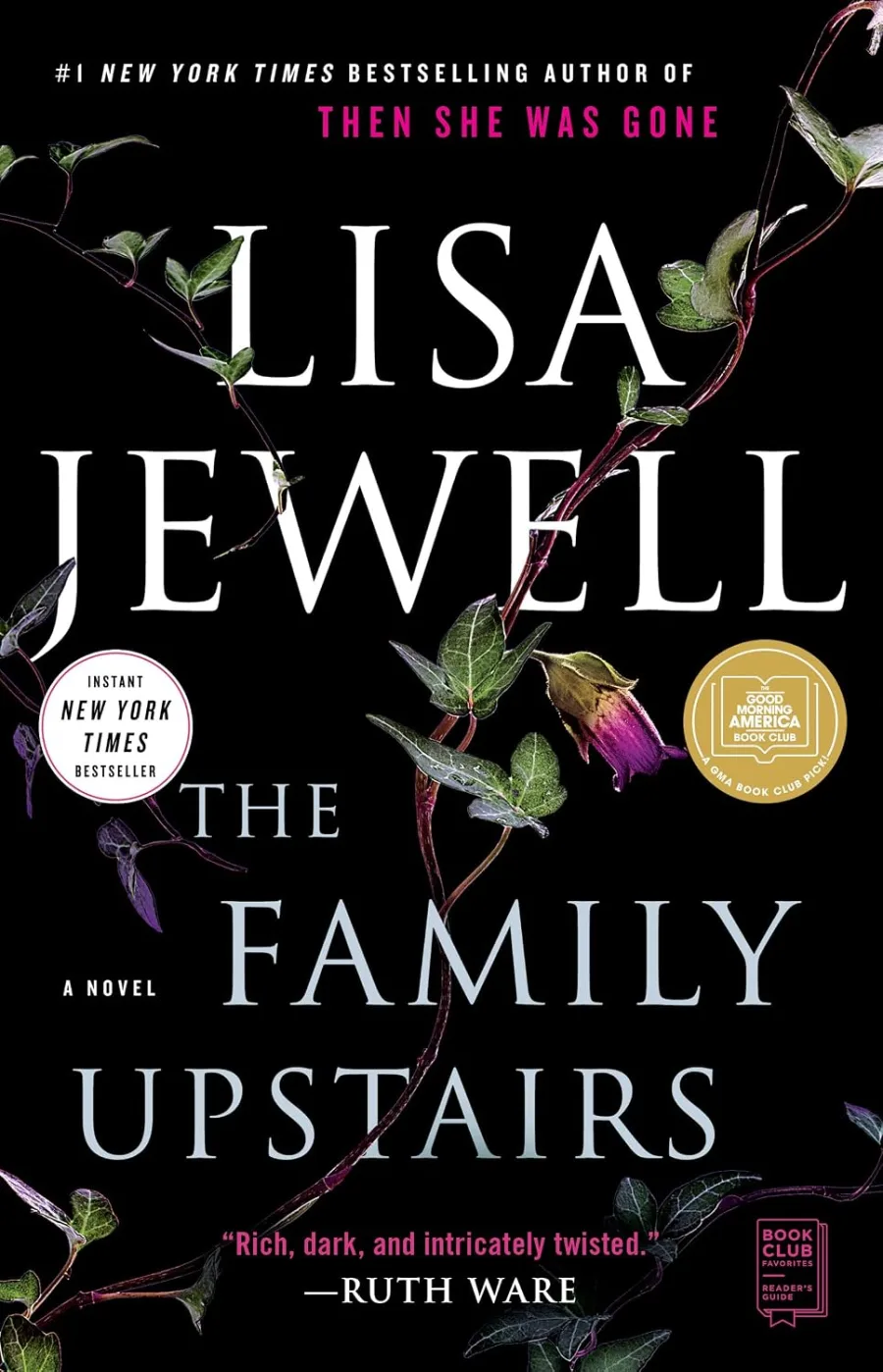
Download Cover Image
Do you want to download the full cover image for The Family Upstairs: A Novel?