
To Kill a Mockingbird
Paperback
• 336 Pages
• USD 16.99
• English
• 9780060935467
No ratings yet
| Publisher | Harper Perennial Modern Classics |
|---|---|
| ISBN13 | 9780060935467 |
| ASIN/SKU | 0060935464 |
| Book Format | Paperback |
| Language | English |
| Pages | 336 |
| List Price | USD 16.99 |
| Subject Code | LCO002000 |
| Publishing Date | 05/03/2002 |
| Dimensions | 5.4 x 1.1 x 7.4 inches |
| Weight | 2.31 pounds |
| Book Code | BD00055676 |
Buy this Book
Amazon Stores
Ebook Stores
Other Stores
Discover To Kill a Mockingbird by Harper Lee. This book is published by Harper Perennial Modern Classics in Paperback format, ISBN 9780060935467, ASIN 0060935464, under Literature and Fiction, Classic American Literature, Southern Fiction.
Book Description
Look for The Land of Sweet Forever, a posthumous collection of newly discovered short stories and previously published essays and magazine pieces by Harper Lee, coming October 21, 2025.
Voted America's Best-Loved Novel in PBS's The Great American Read
Harper Lee's Pulitzer Prize-winning masterwork of honor and injustice in the deep South—and the heroism of one man in the face of blind and violent hatred
One of the most cherished stories of all time, To Kill a Mockingbird has been translated into more than forty languages, sold more than forty million copies worldwide, served as the basis for an enormously popular motion picture, and was voted one of the best novels of the twentieth century by librarians across the country. A gripping, heart-wrenching, and wholly remarkable tale of coming-of-age in a South poisoned by virulent prejudice, it views a world of great beauty and savage inequities through the eyes of a young girl, as her father—a crusading local lawyer—risks everything to defend a black man unjustly accused of a terrible crime.
Voted America's Best-Loved Novel in PBS's The Great American Read
Harper Lee's Pulitzer Prize-winning masterwork of honor and injustice in the deep South—and the heroism of one man in the face of blind and violent hatred
One of the most cherished stories of all time, To Kill a Mockingbird has been translated into more than forty languages, sold more than forty million copies worldwide, served as the basis for an enormously popular motion picture, and was voted one of the best novels of the twentieth century by librarians across the country. A gripping, heart-wrenching, and wholly remarkable tale of coming-of-age in a South poisoned by virulent prejudice, it views a world of great beauty and savage inequities through the eyes of a young girl, as her father—a crusading local lawyer—risks everything to defend a black man unjustly accused of a terrible crime.
Author Biography
Harper Lee was born in 1926 in Monroeville, Alabama. She attended Huntingdon College and studied law at the University of Alabama. She is the author of the acclaimed To Kill a Mockingbird, and was awarded the Pulitzer Prize, the Presidential Medal of Freedom and numerous other literary awards and honours. She died on 19 February 2016.
Editorial Reviews
“A powerful and enduring piece of literature.” - Boston Globe
“The names Scout and Atticus—and, perhaps above all, the name Harper—reflect a respect not just for the arc of history, but for the hope that it does indeed bend toward justice.” - The Atlantic
“One of the most—if not the most—beloved of American novels." - New Yorker
“A seminal American story, a touchstone of racial tolerance. . . . It’s a book determined to make young readers feel like grownups. . . and grownups feel like children in their petty grievances and prejudices.” - USA Today
“The enduring appeal of Mockingbird lies not only in the plot or characters; the book is a mirror, a source of endless and revelatory conversation about who we are and have been as a country." - Washington Post
“The rare classic that speaks to all ages about the less triumphant aspects of American history.” - Time
“A first novel of such rare excellence that it will no doubt make a great many readers slow down to relish more fully its simple distinction. . . . A novel of strong contemporary national significance.” - Chicago Tribune
“All of the tactile brilliance and none of the precocity generally supposed to be standard swamp-warfare issues for Southern writers. . . . Novelist Lee’s prose has an edge that cuts through cant, and she teaches the reader an astonishing number of useful truths about little girls and about Southern life.” - Time (1960 review)
“The names Scout and Atticus—and, perhaps above all, the name Harper—reflect a respect not just for the arc of history, but for the hope that it does indeed bend toward justice.” - The Atlantic
“One of the most—if not the most—beloved of American novels." - New Yorker
“A seminal American story, a touchstone of racial tolerance. . . . It’s a book determined to make young readers feel like grownups. . . and grownups feel like children in their petty grievances and prejudices.” - USA Today
“The enduring appeal of Mockingbird lies not only in the plot or characters; the book is a mirror, a source of endless and revelatory conversation about who we are and have been as a country." - Washington Post
“The rare classic that speaks to all ages about the less triumphant aspects of American history.” - Time
“A first novel of such rare excellence that it will no doubt make a great many readers slow down to relish more fully its simple distinction. . . . A novel of strong contemporary national significance.” - Chicago Tribune
“All of the tactile brilliance and none of the precocity generally supposed to be standard swamp-warfare issues for Southern writers. . . . Novelist Lee’s prose has an edge that cuts through cant, and she teaches the reader an astonishing number of useful truths about little girls and about Southern life.” - Time (1960 review)
Book Summary
To Kill a Mockingbird by Harper Lee is a deeply moving novel about childhood, justice, prejudice, and moral courage. Set in the small town of Maycomb, Alabama, during the Great Depression, the story is told through the eyes of Scout Finch, a young girl growing up with her older brother Jem and their widowed father, Atticus Finch. At first, the novel seems like a story about ordinary childhood life: summer games, school troubles, neighborhood mysteries, and the children’s fascination with their reclusive neighbor Boo Radley. But as the story develops, it becomes a powerful exploration of racism, empathy, and the painful loss of innocence.
Scout is lively, curious, and quick-tempered, while Jem is older and more thoughtful. The two children spend much of their time with Dill, a visiting friend who joins them in their imaginative efforts to learn more about Boo Radley. Boo is a local legend in Maycomb, surrounded by rumors and fear, and the children invent stories about him because they do not understand the truth. Over time, however, small acts of kindness from Boo suggest that he is not the monster the town imagines. This part of the novel captures the innocence of childhood, but it also begins to teach one of the book’s central lessons: people are often very different from the stories others tell about them.
The children’s carefree world changes when Atticus is appointed to defend Tom Robinson, a Black man accused of raping Mayella Ewell, a poor white woman. In the racist world of Maycomb, Tom is expected to be found guilty no matter what the evidence shows. Atticus takes the case because he believes in doing what is right, even when it is unpopular and dangerous. His decision brings hostility from many people in town, and Scout and Jem begin to experience cruelty and judgment because of it. Through Atticus, the novel presents a model of integrity, patience, and moral strength. He does not pretend the world is fair, but he insists on treating people with dignity and standing up for justice even when the odds are against him.
The trial of Tom Robinson is one of the most important parts of the novel. Atticus presents clear evidence that Tom is innocent, showing that Mayella was likely beaten by her own father, Bob Ewell, and that Tom’s physical disability makes it impossible for him to have committed the crime in the way he is accused of. Despite this, the all-white jury convicts Tom, revealing the deep racism at the heart of the community. For Scout and Jem, this is a devastating moment. They begin to understand that fairness is not always the same as justice, and that adults can behave in ways that are cruel, biased, and irrational. Jem, in particular, is deeply shaken by the verdict because he has believed that truth should matter more than prejudice.
Tom Robinson’s fate becomes even more tragic when he is later shot while trying to escape prison. His death shows how little chance a Black man had of receiving justice in that society. At the same time, Bob Ewell, humiliated by the trial, becomes more dangerous and vindictive. He blames Atticus for exposing him in court and later attacks Scout and Jem on their way home from a Halloween event. In the dark, frightening climax of the novel, Boo Radley appears and saves the children, killing Bob Ewell in the process. This moment is both shocking and tender, because the mysterious figure the children once feared turns out to be their protector.
After the attack, Sheriff Tate decides to cover up the truth and say that Bob Ewell fell on his own knife. This protects Boo from public attention, which would have been cruel to a man who has spent years living quietly and privately. Scout finally meets Boo face to face and walks him home, seeing him with new understanding. From his porch, she looks out at the world from his perspective and realizes how much fear and misunderstanding shape people’s behavior. This moment completes the novel’s emotional journey. Scout learns that real empathy means imagining life from another person’s point of view before judging them.
By the end, To Kill a Mockingbird becomes a story about growing up and seeing the world as it really is, not as one hopes it to be. It shows how prejudice can distort justice, how courage can be quiet rather than dramatic, and how innocence changes when confronted with cruelty. Yet the novel is not only sad. It also offers hope through Atticus’s moral example, through the children’s capacity to learn, and through Boo Radley’s unexpected kindness. Harper Lee creates a story that is simple on the surface but emotionally rich underneath, reminding readers that understanding others is one of the hardest and most important lessons in life.
Scout is lively, curious, and quick-tempered, while Jem is older and more thoughtful. The two children spend much of their time with Dill, a visiting friend who joins them in their imaginative efforts to learn more about Boo Radley. Boo is a local legend in Maycomb, surrounded by rumors and fear, and the children invent stories about him because they do not understand the truth. Over time, however, small acts of kindness from Boo suggest that he is not the monster the town imagines. This part of the novel captures the innocence of childhood, but it also begins to teach one of the book’s central lessons: people are often very different from the stories others tell about them.
The children’s carefree world changes when Atticus is appointed to defend Tom Robinson, a Black man accused of raping Mayella Ewell, a poor white woman. In the racist world of Maycomb, Tom is expected to be found guilty no matter what the evidence shows. Atticus takes the case because he believes in doing what is right, even when it is unpopular and dangerous. His decision brings hostility from many people in town, and Scout and Jem begin to experience cruelty and judgment because of it. Through Atticus, the novel presents a model of integrity, patience, and moral strength. He does not pretend the world is fair, but he insists on treating people with dignity and standing up for justice even when the odds are against him.
The trial of Tom Robinson is one of the most important parts of the novel. Atticus presents clear evidence that Tom is innocent, showing that Mayella was likely beaten by her own father, Bob Ewell, and that Tom’s physical disability makes it impossible for him to have committed the crime in the way he is accused of. Despite this, the all-white jury convicts Tom, revealing the deep racism at the heart of the community. For Scout and Jem, this is a devastating moment. They begin to understand that fairness is not always the same as justice, and that adults can behave in ways that are cruel, biased, and irrational. Jem, in particular, is deeply shaken by the verdict because he has believed that truth should matter more than prejudice.
Tom Robinson’s fate becomes even more tragic when he is later shot while trying to escape prison. His death shows how little chance a Black man had of receiving justice in that society. At the same time, Bob Ewell, humiliated by the trial, becomes more dangerous and vindictive. He blames Atticus for exposing him in court and later attacks Scout and Jem on their way home from a Halloween event. In the dark, frightening climax of the novel, Boo Radley appears and saves the children, killing Bob Ewell in the process. This moment is both shocking and tender, because the mysterious figure the children once feared turns out to be their protector.
After the attack, Sheriff Tate decides to cover up the truth and say that Bob Ewell fell on his own knife. This protects Boo from public attention, which would have been cruel to a man who has spent years living quietly and privately. Scout finally meets Boo face to face and walks him home, seeing him with new understanding. From his porch, she looks out at the world from his perspective and realizes how much fear and misunderstanding shape people’s behavior. This moment completes the novel’s emotional journey. Scout learns that real empathy means imagining life from another person’s point of view before judging them.
By the end, To Kill a Mockingbird becomes a story about growing up and seeing the world as it really is, not as one hopes it to be. It shows how prejudice can distort justice, how courage can be quiet rather than dramatic, and how innocence changes when confronted with cruelty. Yet the novel is not only sad. It also offers hope through Atticus’s moral example, through the children’s capacity to learn, and through Boo Radley’s unexpected kindness. Harper Lee creates a story that is simple on the surface but emotionally rich underneath, reminding readers that understanding others is one of the hardest and most important lessons in life.
Sample Chapters
Sample Chapters will be added soon…
Reader Reviews
No reviews yet.
To Kill a Mockingbird
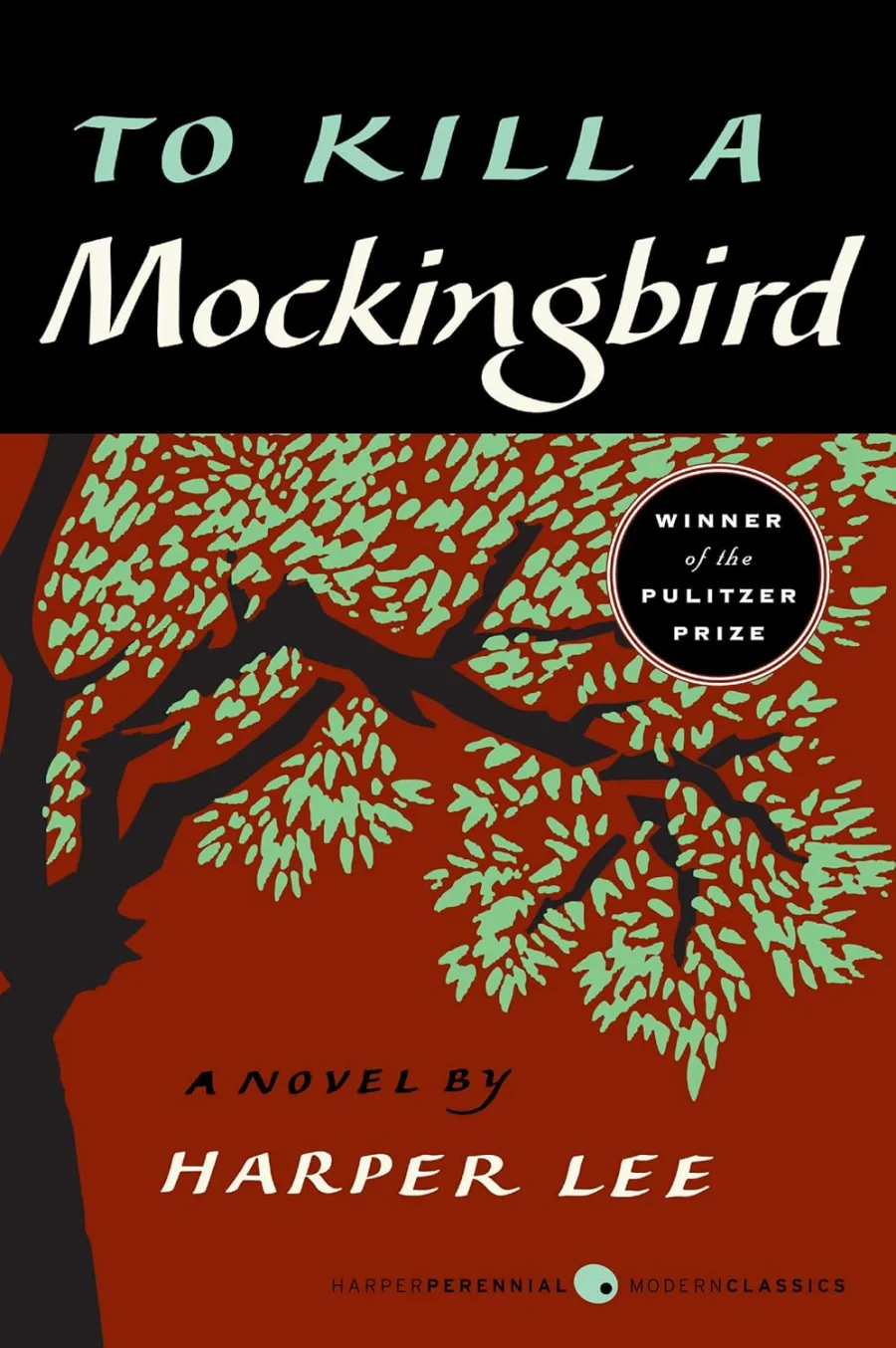
Download Cover Image
Do you want to download the full cover image for To Kill a Mockingbird?