
Tomorrow, and Tomorrow, and Tomorrow: A novel
Paperback
• 416 Pages
• USD 19.00
• English
• 9780593466490
No ratings yet
| Publisher | Vintage |
|---|---|
| ISBN13 | 9780593466490 |
| ASIN/SKU | 0593466497 |
| Book Format | Paperback |
| Language | English |
| Pages | 416 |
| List Price | USD 19.00 |
| Publishing Date | 25/06/2024 |
| Dimensions | 5.14 x 0.86 x 8 inches |
| Weight | 10.9 ounces |
| Book Code | BD00055786 |
Buy this Book
Amazon Stores
Ebook Stores
Other Stores
Discover Tomorrow, and Tomorrow, and Tomorrow: A novel by Gabrielle Zevin. This book is published by Vintage in Paperback format, ISBN 9780593466490, ASIN 0593466497, under Literature and Fiction, Cultural Heritage Fiction, Friendship Fiction.
Book Description
NEW YORK TIMES BESTSELLER • Sam and Sadie—two college friends, often in love, but never lovers—become creative partners in a dazzling and intricately imagined world of video game design, where success brings them fame, joy, tragedy, duplicity, and, ultimately, a kind of immortality. It is a love story, but not one you have read before.
"Delightful and absorbing." —The New York Times • "Utterly brilliant." —John Green
One of the New York Times’s 100 Best Books of the 21st Century • A Kirkus Reviews Best Fiction Book of the Century • A Los Angeles Times Best Fiction Book of the Last 30 Years • One of the Best Books of the Year: The New York Times, Entertainment Weekly, TIME, GoodReads, Oprah Daily
From the best-selling author of The Storied Life of A. J. Fikry: On a bitter-cold day, in the December of his junior year at Harvard, Sam Masur exits a subway car and sees, amid the hordes of people waiting on the platform, Sadie Green. He calls her name. For a moment, she pretends she hasn’t heard him, but then, she turns, and a game begins: a legendary collaboration that will launch them to stardom.
These friends, intimates since childhood, borrow money, beg favors, and, before even graduating college, they have created their first blockbuster, Ichigo. Overnight, the world is theirs. Not even twenty-five years old, Sam and Sadie are brilliant, successful, and rich, but these qualities won’t protect them from their own creative ambitions or the betrayals of their hearts.
Spanning thirty years, from Cambridge, Massachusetts, to Venice Beach, California, and lands in between and far beyond, Gabrielle Zevin’s Tomorrow, and Tomorrow, and Tomorrow examines the multifarious nature of identity, disability, failure, the redemptive possibilities in play, and above all, our need to connect: to be loved and to love.
"Delightful and absorbing." —The New York Times • "Utterly brilliant." —John Green
One of the New York Times’s 100 Best Books of the 21st Century • A Kirkus Reviews Best Fiction Book of the Century • A Los Angeles Times Best Fiction Book of the Last 30 Years • One of the Best Books of the Year: The New York Times, Entertainment Weekly, TIME, GoodReads, Oprah Daily
From the best-selling author of The Storied Life of A. J. Fikry: On a bitter-cold day, in the December of his junior year at Harvard, Sam Masur exits a subway car and sees, amid the hordes of people waiting on the platform, Sadie Green. He calls her name. For a moment, she pretends she hasn’t heard him, but then, she turns, and a game begins: a legendary collaboration that will launch them to stardom.
These friends, intimates since childhood, borrow money, beg favors, and, before even graduating college, they have created their first blockbuster, Ichigo. Overnight, the world is theirs. Not even twenty-five years old, Sam and Sadie are brilliant, successful, and rich, but these qualities won’t protect them from their own creative ambitions or the betrayals of their hearts.
Spanning thirty years, from Cambridge, Massachusetts, to Venice Beach, California, and lands in between and far beyond, Gabrielle Zevin’s Tomorrow, and Tomorrow, and Tomorrow examines the multifarious nature of identity, disability, failure, the redemptive possibilities in play, and above all, our need to connect: to be loved and to love.
Author Biography
GABRIELLE ZEVIN is the New York Times and internationally best-selling author of several critically acclaimed novels, including The Storied Life of A.J. Fikry and Young Jane Young. Her most recent novel is Tomorrow, and Tomorrow, and Tomorrow, a selection of the Tonight Show’s Fallon Book Club, the winner of the Goodreads Choice Award, a finalist for the Wingate Prize, and one of the best books of the year, according to the New York Times, the Washington Post, Time, Entertainment Weekly, the Atlantic, Amazon.com, Oprah Daily, Slate, NPR, and many others. The Storied Life of A.J. Fikry is now a feature film with a screenplay by Zevin. Her novels have been translated into forty languages. She lives in Los Angeles.
Editorial Reviews
WINNER OF THE GOODREADS CHOICE AWARD • NEW YORK TIMES BEST SELLER • WINGATE PRIZE NOMINEE • LOS ANGELES TIMES BOOK CLUB PICK
One of the Best Books of the Year: The New York Times, TIME, Buzzfeed, Entertainment Weekly, Oprah Daily, Slate, Self, Bookpage, Kirkus, SheReads, GoodReads, Goop, and The What List
A New York Times Notable Book of the Year • A Jimmy Fallon Book Club Pick • A Time Must-Read Book of the Year • A Washington Post Notable Work of Fiction • BookPage Best Fiction of the Year
"Delightful and absorbing...Zevin burns precisely zero calories arguing that game designers are creative artists of the highest order. Instead, she accepts that as a given, and wisely so, for the best of them plainly are...Expansive and entertaining...Dozens of Literary Gamers will cherish the world she’s lovingly conjured. Meanwhile, everyone else will wonder what took them so long to recognize in video games the beauty and drama and pain of human creation."
—Tom Bissell, The New York Times
"A tour de force... A moving demonstration of the blended power of fiction and gaming....Zevin describes herself as 'a lifelong gamer.' That level of experience could very well have produced a story of hermetically sealed nostalgia impenetrable to anyone who doesn’t still own a copy of 'Space Invaders.' But instead, she’s written a novel that draws any curious reader into the pioneering days of a vast entertainment industry too often scorned by bookworms. And with the depth and sensitivity of a fine fiction writer, she argues for the abiding appeal of the flickering screen."
—Ron Charles, The Washington Post
“Whatever its subject, when a novel is powerful enough, it transports us readers deep into worlds not our own. That's true of Moby Dick, and it's certainly true of Tomorrow, and Tomorrow, and Tomorrow, which renders the process of designing a great video game as enthralling as the pursuit of that great white whale….There are…smart ruminations here about cultural appropriation, given that the game, Ichigo, is inspired by Japanese artist Hokusai's famous painting The Great Wave at Kanagawa….It's a big, beautifully written novel about an underexplored topic, that succeeds in being both serious art and immersive entertainment.”
—Maureen Corrigan, NPR’s Fresh Air
"Engrossing....Though it contains plenty of nostalgia for the pioneer age of 1990s game design, this isn’t primarily a novel of nerdy insider references....Videogames happen to be the medium by which [Zevin's characters] best express themselves and share in each other’s life."
—Sam Sacks, The Wall Street Journal
“Woven throughout [Tomorrow, and Tomorrow, and Tomorrow] are meditations on originality, appropriation, the similarities between video games and other forms of art, the liberating possibilities of inhabiting a virtual world, and the ways in which platonic love can be deeper and more rewarding—especially in the context of a creative partnership—than romance.”
—The New Yorker
One of the Best Books of the Year: The New York Times, TIME, Buzzfeed, Entertainment Weekly, Oprah Daily, Slate, Self, Bookpage, Kirkus, SheReads, GoodReads, Goop, and The What List
A New York Times Notable Book of the Year • A Jimmy Fallon Book Club Pick • A Time Must-Read Book of the Year • A Washington Post Notable Work of Fiction • BookPage Best Fiction of the Year
"Delightful and absorbing...Zevin burns precisely zero calories arguing that game designers are creative artists of the highest order. Instead, she accepts that as a given, and wisely so, for the best of them plainly are...Expansive and entertaining...Dozens of Literary Gamers will cherish the world she’s lovingly conjured. Meanwhile, everyone else will wonder what took them so long to recognize in video games the beauty and drama and pain of human creation."
—Tom Bissell, The New York Times
"A tour de force... A moving demonstration of the blended power of fiction and gaming....Zevin describes herself as 'a lifelong gamer.' That level of experience could very well have produced a story of hermetically sealed nostalgia impenetrable to anyone who doesn’t still own a copy of 'Space Invaders.' But instead, she’s written a novel that draws any curious reader into the pioneering days of a vast entertainment industry too often scorned by bookworms. And with the depth and sensitivity of a fine fiction writer, she argues for the abiding appeal of the flickering screen."
—Ron Charles, The Washington Post
“Whatever its subject, when a novel is powerful enough, it transports us readers deep into worlds not our own. That's true of Moby Dick, and it's certainly true of Tomorrow, and Tomorrow, and Tomorrow, which renders the process of designing a great video game as enthralling as the pursuit of that great white whale….There are…smart ruminations here about cultural appropriation, given that the game, Ichigo, is inspired by Japanese artist Hokusai's famous painting The Great Wave at Kanagawa….It's a big, beautifully written novel about an underexplored topic, that succeeds in being both serious art and immersive entertainment.”
—Maureen Corrigan, NPR’s Fresh Air
"Engrossing....Though it contains plenty of nostalgia for the pioneer age of 1990s game design, this isn’t primarily a novel of nerdy insider references....Videogames happen to be the medium by which [Zevin's characters] best express themselves and share in each other’s life."
—Sam Sacks, The Wall Street Journal
“Woven throughout [Tomorrow, and Tomorrow, and Tomorrow] are meditations on originality, appropriation, the similarities between video games and other forms of art, the liberating possibilities of inhabiting a virtual world, and the ways in which platonic love can be deeper and more rewarding—especially in the context of a creative partnership—than romance.”
—The New Yorker
Book Summary
Gabrielle Zevin’s novel Tomorrow, and Tomorrow, and Tomorrow is a sprawling, deeply moving exploration of friendship, creativity, and the complicated nature of love. Spanning three decades, the story centers on Sam Masur and Sadie Green, two brilliant but flawed individuals who build a wildly successful video game company together. Unlike traditional romances, the central relationship in this novel is fiercely platonic. It is a love story about collaboration, the intimate bond of shared creation, and the ways we continually hurt and heal the people closest to us.
The foundation of their relationship is laid in childhood. Sam and Sadie first meet in a hospital gaming room in the late 1980s. Sam is recovering from a horrific car accident that shattered his foot and killed his mother, leaving him in chronic pain and cloaked in silence. Sadie is there visiting her older sister, who is battling cancer. The two outcasts bond over playing Super Mario Bros., finding solace in a digital world where injuries can be healed with a simple reset and control is always in the player's hands. However, their childhood friendship ends in a bitter falling out when Sam discovers Sadie has been using the time spent with him to fulfill community service hours for her Bat Mitzvah. Feeling like a charity project, Sam cuts her off.
Years later, their paths cross again during their college years in Cambridge, Massachusetts. Sam is studying at Harvard and Sadie is at MIT, both wrestling with the pressures of early adulthood and their own ambitions. A chance encounter in a crowded subway station reignites their old spark. Recognizing each other’s immense talent—Sadie as a visionary game designer and Sam as a brilliant conceptualizer—they decide to build a video game together.
To help bring their vision to life, they bring in Sam’s wealthy, charismatic, and incredibly kind roommate, Marx Watanabe. Marx becomes their producer, handling the logistics, funding, and emotional buffering required to keep the intense, often volatile dynamic between Sam and Sadie from exploding. Together, the trio creates Ichigo, a breathtakingly innovative game that becomes a massive critical and commercial success. Almost overnight, they are propelled from broke college students into industry titans, founding their own company in Los Angeles called Unfair Games.
With success comes a new set of immense pressures that test their friendship. As their company grows, so do the resentments between Sam and Sadie. Sam, who still suffers from debilitating physical pain and deeply rooted insecurities, naturally falls into the role of the company’s public face. He is celebrated as the genius behind Ichigo, while Sadie frequently feels sidelined and dismissed by a male-dominated gaming industry, despite being the lead engine of their creative work. Their partnership becomes a battleground of ego, miscommunication, and stubbornness. They are soulmates in art but often incapable of expressing their care for each other in real life, communicating best only through the code and worlds they build.
Through all this turbulence, Marx acts as the emotional anchor. He is the peacemaker who keeps Unfair Games and its founders from falling apart. Over time, Marx and Sadie fall deeply in love, marry, and have a child, finding a quiet, stable happiness that contrasts sharply with the frantic energy of her dynamic with Sam. Tragically, this peaceful era is shattered by a sudden, devastating act of violence. A right-wing extremist, radicalized and angered by a progressive game the company recently released, opens fire at the Unfair Games office. Marx is killed in the shooting.
Marx’s death shatters the world Sam and Sadie have built. The tragedy breaks Sadie, sending her into a profound, isolating depression. She completely withdraws from game design and severs all ties with Sam, unable to look at him without being reminded of everything she has lost. Sam is also plunged into profound grief, mourning the loss of his best friend and dealing with the eventual amputation of his badly damaged leg. For years, the two remain painfully estranged, living separate, fractured lives.
Desperate to reach Sadie but knowing she will reject any direct approach, Sam turns to the only language they have always understood: video games. He secretly creates a deeply beautiful, immersive online game designed specifically for her. He leaves breadcrumbs within the digital world, hoping she will log on and recognize his handiwork. In this virtual space, stripped of their real-world trauma and physical limitations, they are finally able to reconnect, play, and begin the slow, fragile process of forgiving one another.
Ultimately, the novel is a testament to resilience. The title is drawn from Shakespeare’s Macbeth, but within the context of the book, it reflects the core philosophy of gaming: the idea of infinite rebirth, the chance to start over, and the promise that there is always another tomorrow. Zevin beautifully illustrates that while real life does not offer respawns or extra lives, the enduring power of art and friendship can help us survive our darkest moments. Sam and Sadie’s story concludes not with a neat, fairy-tale ending, but with a profound acceptance of their messy, imperfect, and magnificent bond as lifelong creators and friends.
The foundation of their relationship is laid in childhood. Sam and Sadie first meet in a hospital gaming room in the late 1980s. Sam is recovering from a horrific car accident that shattered his foot and killed his mother, leaving him in chronic pain and cloaked in silence. Sadie is there visiting her older sister, who is battling cancer. The two outcasts bond over playing Super Mario Bros., finding solace in a digital world where injuries can be healed with a simple reset and control is always in the player's hands. However, their childhood friendship ends in a bitter falling out when Sam discovers Sadie has been using the time spent with him to fulfill community service hours for her Bat Mitzvah. Feeling like a charity project, Sam cuts her off.
Years later, their paths cross again during their college years in Cambridge, Massachusetts. Sam is studying at Harvard and Sadie is at MIT, both wrestling with the pressures of early adulthood and their own ambitions. A chance encounter in a crowded subway station reignites their old spark. Recognizing each other’s immense talent—Sadie as a visionary game designer and Sam as a brilliant conceptualizer—they decide to build a video game together.
To help bring their vision to life, they bring in Sam’s wealthy, charismatic, and incredibly kind roommate, Marx Watanabe. Marx becomes their producer, handling the logistics, funding, and emotional buffering required to keep the intense, often volatile dynamic between Sam and Sadie from exploding. Together, the trio creates Ichigo, a breathtakingly innovative game that becomes a massive critical and commercial success. Almost overnight, they are propelled from broke college students into industry titans, founding their own company in Los Angeles called Unfair Games.
With success comes a new set of immense pressures that test their friendship. As their company grows, so do the resentments between Sam and Sadie. Sam, who still suffers from debilitating physical pain and deeply rooted insecurities, naturally falls into the role of the company’s public face. He is celebrated as the genius behind Ichigo, while Sadie frequently feels sidelined and dismissed by a male-dominated gaming industry, despite being the lead engine of their creative work. Their partnership becomes a battleground of ego, miscommunication, and stubbornness. They are soulmates in art but often incapable of expressing their care for each other in real life, communicating best only through the code and worlds they build.
Through all this turbulence, Marx acts as the emotional anchor. He is the peacemaker who keeps Unfair Games and its founders from falling apart. Over time, Marx and Sadie fall deeply in love, marry, and have a child, finding a quiet, stable happiness that contrasts sharply with the frantic energy of her dynamic with Sam. Tragically, this peaceful era is shattered by a sudden, devastating act of violence. A right-wing extremist, radicalized and angered by a progressive game the company recently released, opens fire at the Unfair Games office. Marx is killed in the shooting.
Marx’s death shatters the world Sam and Sadie have built. The tragedy breaks Sadie, sending her into a profound, isolating depression. She completely withdraws from game design and severs all ties with Sam, unable to look at him without being reminded of everything she has lost. Sam is also plunged into profound grief, mourning the loss of his best friend and dealing with the eventual amputation of his badly damaged leg. For years, the two remain painfully estranged, living separate, fractured lives.
Desperate to reach Sadie but knowing she will reject any direct approach, Sam turns to the only language they have always understood: video games. He secretly creates a deeply beautiful, immersive online game designed specifically for her. He leaves breadcrumbs within the digital world, hoping she will log on and recognize his handiwork. In this virtual space, stripped of their real-world trauma and physical limitations, they are finally able to reconnect, play, and begin the slow, fragile process of forgiving one another.
Ultimately, the novel is a testament to resilience. The title is drawn from Shakespeare’s Macbeth, but within the context of the book, it reflects the core philosophy of gaming: the idea of infinite rebirth, the chance to start over, and the promise that there is always another tomorrow. Zevin beautifully illustrates that while real life does not offer respawns or extra lives, the enduring power of art and friendship can help us survive our darkest moments. Sam and Sadie’s story concludes not with a neat, fairy-tale ending, but with a profound acceptance of their messy, imperfect, and magnificent bond as lifelong creators and friends.
Sample Chapters
Sample Chapters will be added soon…
Reader Reviews
No reviews yet.
Tomorrow, and Tomorrow, and Tomorrow: A novel
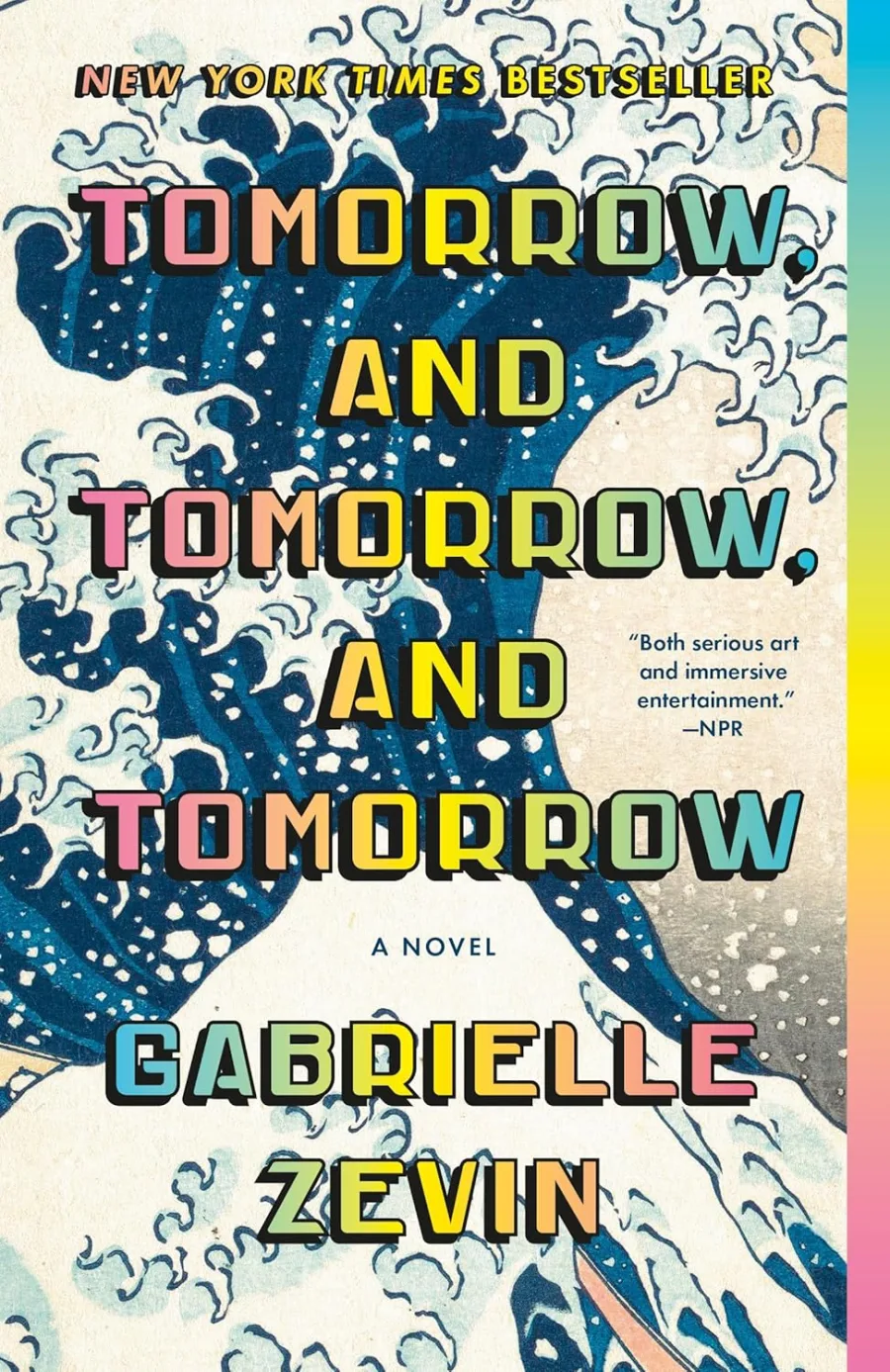
Download Cover Image
Do you want to download the full cover image for Tomorrow, and Tomorrow, and Tomorrow: A novel?