
A Promised Land
Paperback
• 768 Pages
• USD 25.00
• English
• 9781524763176
No ratings yet
| Publisher | Crown |
|---|---|
| ISBN13 | 9781524763176 |
| ASIN/SKU | 1524763179 |
| Book Format | Paperback |
| Language | English |
| Pages | 768 |
| List Price | USD 25.00 |
| Publishing Date | 13/08/2024 |
| Dimensions | 6.15 x 1.31 x 9.14 inches |
| Weight | 2.2 pounds |
| Book Code | BD00055810 |
Buy this Book
Amazon Stores
Ebook Stores
Other Stores
Discover A Promised Land by Barack Obama. This book is published by Crown in Paperback format, ISBN 9781524763176, ASIN 1524763179, under Biographies and Memoirs, Black and African American Biographies, US Presidents.
Book Description
A riveting, deeply personal account of history in the making—from the president who inspired us to believe in the power of democracy
#1 NEW YORK TIMES BESTSELLER • NAACP IMAGE AWARD NOMINEE • NAMED ONE OF THE TEN BEST BOOKS OF THE YEAR BY THE NEW YORK TIMES BOOK REVIEW AND PEOPLE
NAMED ONE OF THE BEST BOOKS OF THE YEAR BY The Washington Post • Jennifer Szalai, The New York Times • NPR • The Guardian • Slate • Vox • The Economist • Marie Claire
In the stirring first volume of his presidential memoirs, Barack Obama tells the story of his improbable odyssey from young man searching for his identity to leader of the free world, describing in strikingly personal detail both his political education and the landmark moments of the first term of his historic presidency—a time of dramatic transformation and turmoil.
Obama takes readers on a compelling journey from his earliest political aspirations to the pivotal Iowa caucus victory that demonstrated the power of grassroots activism to the watershed night of November 4, 2008, when he was elected 44th president of the United States, becoming the first African American to hold the nation’s highest office.
Reflecting on the presidency, he offers a unique and thoughtful exploration of both the awesome reach and the limits of presidential power, as well as singular insights into the dynamics of U.S. partisan politics and international diplomacy. Obama brings readers inside the Oval Office and the White House Situation Room, and to Moscow, Cairo, Beijing, and points beyond. We are privy to his thoughts as he assembles his cabinet, wrestles with a global financial crisis, takes the measure of Vladimir Putin, overcomes seemingly insurmountable odds to secure passage of the Affordable Care Act, clashes with generals about U.S. strategy in Afghanistan, tackles Wall Street reform, responds to the devastating Deepwater Horizon blowout, and authorizes Operation Neptune’s Spear, which leads to the death of Osama bin Laden.
A Promised Land is extraordinarily intimate and introspective—the story of one man’s bet with history, the faith of a community organizer tested on the world stage. Obama is candid about the balancing act of running for office as a Black American, bearing the expectations of a generation buoyed by messages of “hope and change,” and meeting the moral challenges of high-stakes decision-making. He is frank about the forces that opposed him at home and abroad, open about how living in the White House affected his wife and daughters, and unafraid to reveal self-doubt and disappointment. Yet he never wavers from his belief that inside the great, ongoing American experiment, progress is always possible.
This beautifully written and powerful book captures Barack Obama’s conviction that democracy is not a gift from on high but something founded on empathy and common understanding and built together, day by day.
#1 NEW YORK TIMES BESTSELLER • NAACP IMAGE AWARD NOMINEE • NAMED ONE OF THE TEN BEST BOOKS OF THE YEAR BY THE NEW YORK TIMES BOOK REVIEW AND PEOPLE
NAMED ONE OF THE BEST BOOKS OF THE YEAR BY The Washington Post • Jennifer Szalai, The New York Times • NPR • The Guardian • Slate • Vox • The Economist • Marie Claire
In the stirring first volume of his presidential memoirs, Barack Obama tells the story of his improbable odyssey from young man searching for his identity to leader of the free world, describing in strikingly personal detail both his political education and the landmark moments of the first term of his historic presidency—a time of dramatic transformation and turmoil.
Obama takes readers on a compelling journey from his earliest political aspirations to the pivotal Iowa caucus victory that demonstrated the power of grassroots activism to the watershed night of November 4, 2008, when he was elected 44th president of the United States, becoming the first African American to hold the nation’s highest office.
Reflecting on the presidency, he offers a unique and thoughtful exploration of both the awesome reach and the limits of presidential power, as well as singular insights into the dynamics of U.S. partisan politics and international diplomacy. Obama brings readers inside the Oval Office and the White House Situation Room, and to Moscow, Cairo, Beijing, and points beyond. We are privy to his thoughts as he assembles his cabinet, wrestles with a global financial crisis, takes the measure of Vladimir Putin, overcomes seemingly insurmountable odds to secure passage of the Affordable Care Act, clashes with generals about U.S. strategy in Afghanistan, tackles Wall Street reform, responds to the devastating Deepwater Horizon blowout, and authorizes Operation Neptune’s Spear, which leads to the death of Osama bin Laden.
A Promised Land is extraordinarily intimate and introspective—the story of one man’s bet with history, the faith of a community organizer tested on the world stage. Obama is candid about the balancing act of running for office as a Black American, bearing the expectations of a generation buoyed by messages of “hope and change,” and meeting the moral challenges of high-stakes decision-making. He is frank about the forces that opposed him at home and abroad, open about how living in the White House affected his wife and daughters, and unafraid to reveal self-doubt and disappointment. Yet he never wavers from his belief that inside the great, ongoing American experiment, progress is always possible.
This beautifully written and powerful book captures Barack Obama’s conviction that democracy is not a gift from on high but something founded on empathy and common understanding and built together, day by day.
Author Biography
Barack Obama was the 44th president of the United States, elected in November 2008 and holding office for two terms. He is the author of three New York Times bestselling books, Dreams from My Father, The Audacity of Hope, and A Promised Land, and is the recipient of the 2009 Nobel Peace Prize. He lives in Washington, D.C., with his wife, Michelle. They have two daughters, Malia and Sasha.
Editorial Reviews
“Barack Obama is as fine a writer as they come . . . nearly always pleasurable to read, sentence by sentence, the prose gorgeous in places, the detail granular and vivid. . . . Obama’s thoughtfulness is obvious to anyone who has observed his political career, but in this book he lays himself open to self-questioning. . . . The story will continue in the second volume, but Barack Obama has already illuminated a pivotal moment in American history, and how America changed while also remaining unchanged.”—Chimamanda Ngozi Adichie, New York Times Book Review
“Obama set the modern American benchmark for lofty rhetoric, for inspiring a passionate sense of optimism, for repeatedly rejecting the cynical politics of the past. . . . The book radiates an emotional warmth that Obama used to share only with his inner circle. . . . To have Barack Obama reemerge bearing a message of tattered idealism is a welcome tonic.”—David Brooks, The Atlantic
“[A Promised Land] is well written, certainly the best-written presidential memoir I have read. Obama has an easy and stylish way with words. . . . The most notable feature of the book, however, is Obama’s ability to see not just both sides of every issue but even to empathize with the side in vigorous opposition to his own.”—Fareed Zakaria, Washington Post
“A Promised Land often reads like a conversation Obama is having with himself— questioning his ambition, wrestling with whether the sacrifices were worth it, toggling between pride in his administration’s accomplishments and self-doubt over whether he did enough. Written in the Trump era, under an administration bent on repudiating everything he stood for, his elegant prose is freighted with uncertainty about the state of our politics, about whether we can ever reach the titular promised land. . . . The triumphs are tempered with brooding reflections about the inevitable limitations of the presidency.”—Eli Stokols, Los Angeles Times
“[Barack Obama] offers his account, in manners occasionally thrilling but always educational, of the biggest watershed moments of his early administration. . . . His humor, again rare for a person of his professional stature, shines through, most delightfully when he takes jabs at meetings with foreign leaders that could have been an email or Vladimir Putin’s obsession with hearing himself talk. . . . A Promised Land is a book we’ll all be better for reading.”—Seija Rankin, Entertainment Weekly
“A Promised Land is remarkable for its precision and thoroughness, as well as for its honesty, humor, and thoughtful perspective. President Obama’s skill as a writer, and his generosity in sharing his doubts and disappointments as well as his accomplishments and convictions, make the memoir a must-read for all those who wonder why character matters and what true patriotism looks like. And for political junkies, there are nuggets on each and every page.”—Leigh Haber, O, The Oprah Magazine
“Obama set the modern American benchmark for lofty rhetoric, for inspiring a passionate sense of optimism, for repeatedly rejecting the cynical politics of the past. . . . The book radiates an emotional warmth that Obama used to share only with his inner circle. . . . To have Barack Obama reemerge bearing a message of tattered idealism is a welcome tonic.”—David Brooks, The Atlantic
“[A Promised Land] is well written, certainly the best-written presidential memoir I have read. Obama has an easy and stylish way with words. . . . The most notable feature of the book, however, is Obama’s ability to see not just both sides of every issue but even to empathize with the side in vigorous opposition to his own.”—Fareed Zakaria, Washington Post
“A Promised Land often reads like a conversation Obama is having with himself— questioning his ambition, wrestling with whether the sacrifices were worth it, toggling between pride in his administration’s accomplishments and self-doubt over whether he did enough. Written in the Trump era, under an administration bent on repudiating everything he stood for, his elegant prose is freighted with uncertainty about the state of our politics, about whether we can ever reach the titular promised land. . . . The triumphs are tempered with brooding reflections about the inevitable limitations of the presidency.”—Eli Stokols, Los Angeles Times
“[Barack Obama] offers his account, in manners occasionally thrilling but always educational, of the biggest watershed moments of his early administration. . . . His humor, again rare for a person of his professional stature, shines through, most delightfully when he takes jabs at meetings with foreign leaders that could have been an email or Vladimir Putin’s obsession with hearing himself talk. . . . A Promised Land is a book we’ll all be better for reading.”—Seija Rankin, Entertainment Weekly
“A Promised Land is remarkable for its precision and thoroughness, as well as for its honesty, humor, and thoughtful perspective. President Obama’s skill as a writer, and his generosity in sharing his doubts and disappointments as well as his accomplishments and convictions, make the memoir a must-read for all those who wonder why character matters and what true patriotism looks like. And for political junkies, there are nuggets on each and every page.”—Leigh Haber, O, The Oprah Magazine
Book Summary
Barack Obama’s A Promised Land is a deeply personal and reflective memoir that traces his political rise and the first part of his presidency, ending with the mission that killed Osama bin Laden. More than just a political account, the book is about identity, ambition, public service, and the weight of leadership. Obama writes in a calm, thoughtful, and often self-critical voice, mixing major world events with personal memories, private doubts, and the everyday realities of family life inside the White House. The result is a book that feels both historical and human, showing not only what happened during those years but also how it felt to live through them.
The memoir begins with Obama looking back on his early political career and the unusual path that brought him to national prominence. He reflects on his mixed-race background, his years of searching for identity, and the influence of his mother, grandparents, and community work in Chicago. These experiences shaped his belief in democracy, collective action, and the possibility of change, but they also made him aware of how complicated American ideals can be in practice. As he rises from the Illinois state senate to the U.S. Senate and then launches his presidential campaign, he presents himself not as a flawless hero but as someone driven by conviction, discipline, and a willingness to learn. He shows how improbable his candidacy seemed at first and how much of his success depended on a talented team, strong grassroots support, and a message that connected with people hungry for a different kind of politics.
A large part of the book focuses on the 2008 campaign, which is shown as exhausting, exhilarating, and historic. Obama captures the pace of modern politics, the strategic decisions behind speeches and debates, and the emotional intensity of traveling across the country while balancing public expectations and private family concerns. He also explores the significance of becoming the first Black major-party nominee for president, and eventually the first Black president of the United States. He understands the symbolic importance of that moment, but he does not romanticize it. Instead, he shows how race remained an unavoidable and often uncomfortable force in American life, shaping both public reaction to him and the broader political atmosphere. His election night victory is presented as a moment of national possibility, but also as the beginning of enormous responsibility, since the country was already facing severe crisis.
When Obama enters office, he is immediately confronted by the collapse of the global financial system. One of the strongest sections of the memoir describes the economic emergency he inherited and the pressure of making decisions that would affect millions of lives. He explains the banking crisis, recession, and policy debates in a way that is accessible without being simplistic. He walks the reader through meetings with advisers, disagreements within his team, and the difficult balance between economic theory, political reality, and public anger. He knows many Americans saw the government response as helping banks more than ordinary people, and he honestly acknowledges the limits of what his administration was able to do. At the same time, he argues that the actions taken prevented an even deeper disaster. Throughout these chapters, the book highlights one of Obama’s main themes: leadership often means choosing between imperfect options rather than between obvious right and wrong.
The memoir also spends a great deal of time on healthcare reform, which became one of the defining domestic battles of his presidency. Obama describes the effort to pass the Affordable Care Act as a long, frustrating, and politically costly struggle. He explains the negotiations with Congress, the ideological attacks from opponents, and the practical challenge of building a law that could actually survive the legislative process. He portrays the reform not as a perfect achievement but as a meaningful step toward making healthcare more accessible and fair. What comes through strongly is his belief that government, despite its flaws, can still improve people’s lives when it acts seriously and responsibly. He is frustrated by misinformation and partisanship, but he also accepts that democratic progress is usually messy and incomplete.
Alongside policy, Obama writes openly about the emotional burden of the presidency. He reflects on the loneliness of the office, the endless decisions, and the awareness that every mistake can have global consequences. He also writes warmly about Michelle Obama and their daughters, showing how family served as both grounding force and source of sacrifice. Michelle is presented as strong, intelligent, and often skeptical of political life, and Obama makes clear that her support was essential even when the demands of public service placed strain on their marriage and private life. These personal passages help the book feel less like a traditional political memoir and more like the story of a man constantly trying to reconcile duty with love, idealism with exhaustion, and public role with private self.
Foreign policy becomes increasingly central as the memoir moves forward. Obama writes about Iraq, Afghanistan, relations with Russia and China, the Middle East, and the broader challenge of leading a superpower in a dangerous and interconnected world. He does not pretend there were easy answers. Instead, he shows how every international decision involved intelligence gaps, military advice, diplomatic consequences, and moral uncertainty. His writing on war is especially reflective, shaped by his awareness of both strategic necessity and human cost. He often returns to the question of what American power should be used for and where its limits lie. Even when defending difficult choices, he remains aware of the tragedies and contradictions that come with them.
One of the most compelling threads in the book is Obama’s account of the fierce political opposition he faced. He discusses the rise of conspiracy theories, racial resentment, media fragmentation, and the hardening of partisan identity. He suggests that some of the backlash to his presidency came not only from ideological disagreement but from deeper fears about social change and national identity. Yet he does not reduce everything to cynicism. He continues to express faith in democratic institutions and in the decency of ordinary people, even when politics itself seems broken. That tension between hope and disillusionment gives the memoir much of its emotional depth.
The book ends with the operation against Osama bin Laden, a moment that brings together many of the memoir’s central themes: caution, responsibility, teamwork, secrecy, and the moral seriousness of presidential decision-making. Obama describes the tension of weighing uncertain intelligence, authorizing a dangerous mission, and waiting for the outcome. The success of the raid is clearly significant, but he presents it with restraint rather than triumphalism. For him, it is not just a dramatic victory but another reminder of the grave choices attached to power.
Overall, A Promised Land is a memoir about more than one presidency. It is about the promise and difficulty of democracy itself. Obama writes with intelligence, humility, and a deep sense of history, trying to make sense of a period marked by hope, crisis, division, and change. The book leaves the impression of a leader who believed in the American project, even while fully aware of its flaws, and who saw public service as a difficult but meaningful attempt to move that project a little closer to its ideals.
The memoir begins with Obama looking back on his early political career and the unusual path that brought him to national prominence. He reflects on his mixed-race background, his years of searching for identity, and the influence of his mother, grandparents, and community work in Chicago. These experiences shaped his belief in democracy, collective action, and the possibility of change, but they also made him aware of how complicated American ideals can be in practice. As he rises from the Illinois state senate to the U.S. Senate and then launches his presidential campaign, he presents himself not as a flawless hero but as someone driven by conviction, discipline, and a willingness to learn. He shows how improbable his candidacy seemed at first and how much of his success depended on a talented team, strong grassroots support, and a message that connected with people hungry for a different kind of politics.
A large part of the book focuses on the 2008 campaign, which is shown as exhausting, exhilarating, and historic. Obama captures the pace of modern politics, the strategic decisions behind speeches and debates, and the emotional intensity of traveling across the country while balancing public expectations and private family concerns. He also explores the significance of becoming the first Black major-party nominee for president, and eventually the first Black president of the United States. He understands the symbolic importance of that moment, but he does not romanticize it. Instead, he shows how race remained an unavoidable and often uncomfortable force in American life, shaping both public reaction to him and the broader political atmosphere. His election night victory is presented as a moment of national possibility, but also as the beginning of enormous responsibility, since the country was already facing severe crisis.
When Obama enters office, he is immediately confronted by the collapse of the global financial system. One of the strongest sections of the memoir describes the economic emergency he inherited and the pressure of making decisions that would affect millions of lives. He explains the banking crisis, recession, and policy debates in a way that is accessible without being simplistic. He walks the reader through meetings with advisers, disagreements within his team, and the difficult balance between economic theory, political reality, and public anger. He knows many Americans saw the government response as helping banks more than ordinary people, and he honestly acknowledges the limits of what his administration was able to do. At the same time, he argues that the actions taken prevented an even deeper disaster. Throughout these chapters, the book highlights one of Obama’s main themes: leadership often means choosing between imperfect options rather than between obvious right and wrong.
The memoir also spends a great deal of time on healthcare reform, which became one of the defining domestic battles of his presidency. Obama describes the effort to pass the Affordable Care Act as a long, frustrating, and politically costly struggle. He explains the negotiations with Congress, the ideological attacks from opponents, and the practical challenge of building a law that could actually survive the legislative process. He portrays the reform not as a perfect achievement but as a meaningful step toward making healthcare more accessible and fair. What comes through strongly is his belief that government, despite its flaws, can still improve people’s lives when it acts seriously and responsibly. He is frustrated by misinformation and partisanship, but he also accepts that democratic progress is usually messy and incomplete.
Alongside policy, Obama writes openly about the emotional burden of the presidency. He reflects on the loneliness of the office, the endless decisions, and the awareness that every mistake can have global consequences. He also writes warmly about Michelle Obama and their daughters, showing how family served as both grounding force and source of sacrifice. Michelle is presented as strong, intelligent, and often skeptical of political life, and Obama makes clear that her support was essential even when the demands of public service placed strain on their marriage and private life. These personal passages help the book feel less like a traditional political memoir and more like the story of a man constantly trying to reconcile duty with love, idealism with exhaustion, and public role with private self.
Foreign policy becomes increasingly central as the memoir moves forward. Obama writes about Iraq, Afghanistan, relations with Russia and China, the Middle East, and the broader challenge of leading a superpower in a dangerous and interconnected world. He does not pretend there were easy answers. Instead, he shows how every international decision involved intelligence gaps, military advice, diplomatic consequences, and moral uncertainty. His writing on war is especially reflective, shaped by his awareness of both strategic necessity and human cost. He often returns to the question of what American power should be used for and where its limits lie. Even when defending difficult choices, he remains aware of the tragedies and contradictions that come with them.
One of the most compelling threads in the book is Obama’s account of the fierce political opposition he faced. He discusses the rise of conspiracy theories, racial resentment, media fragmentation, and the hardening of partisan identity. He suggests that some of the backlash to his presidency came not only from ideological disagreement but from deeper fears about social change and national identity. Yet he does not reduce everything to cynicism. He continues to express faith in democratic institutions and in the decency of ordinary people, even when politics itself seems broken. That tension between hope and disillusionment gives the memoir much of its emotional depth.
The book ends with the operation against Osama bin Laden, a moment that brings together many of the memoir’s central themes: caution, responsibility, teamwork, secrecy, and the moral seriousness of presidential decision-making. Obama describes the tension of weighing uncertain intelligence, authorizing a dangerous mission, and waiting for the outcome. The success of the raid is clearly significant, but he presents it with restraint rather than triumphalism. For him, it is not just a dramatic victory but another reminder of the grave choices attached to power.
Overall, A Promised Land is a memoir about more than one presidency. It is about the promise and difficulty of democracy itself. Obama writes with intelligence, humility, and a deep sense of history, trying to make sense of a period marked by hope, crisis, division, and change. The book leaves the impression of a leader who believed in the American project, even while fully aware of its flaws, and who saw public service as a difficult but meaningful attempt to move that project a little closer to its ideals.
Sample Chapters
Sample Chapters will be added soon…
Reader Reviews
No reviews yet.
A Promised Land
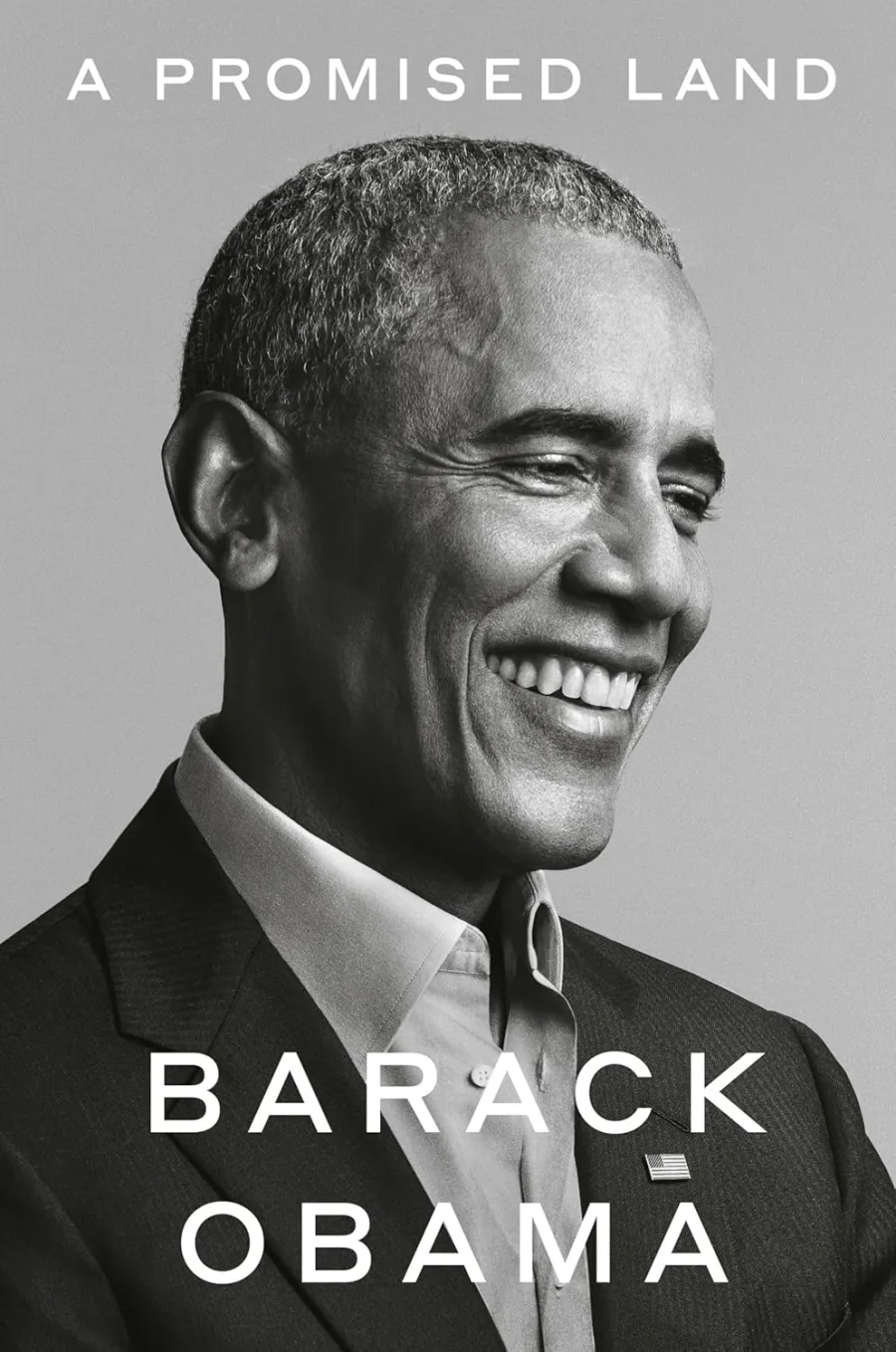
Download Cover Image
Do you want to download the full cover image for A Promised Land?