
The Keeper of Happy Endings
Paperback
• 415 Pages
• USD 14.95
• English
• 9781542021470
No ratings yet
| Publisher | Lake Union Publishing |
|---|---|
| ISBN13 | 9781542021470 |
| ASIN/SKU | 1542021472 |
| Book Format | Paperback |
| Language | English |
| Pages | 415 |
| List Price | USD 14.95 |
| Publishing Date | 01/10/2021 |
| Dimensions | 5.5 x 1 x 8.25 inches |
| Weight | 2.31 pounds |
| Book Code | BD00055814 |
Buy this Book
Amazon Stores
Ebook Stores
Other Stores
Discover The Keeper of Happy Endings by Barbara Davis. This book is published by Lake Union Publishing in Paperback format, ISBN 9781542021470, ASIN 1542021472, under Literature and Fiction, World War II Historical Fiction, Historical World War II and Holocaust Fiction.
Book Description
An enchanting novel about fate, second chances, and hope, lost and found, by the Amazon Charts bestselling author of The Last of the Moon Girls.
Soline Roussel is well schooled in the business of happy endings. For generations her family has kept an exclusive bridal salon in Paris, where magic is worked with needle and thread. It’s said that the bride who wears a Roussel gown is guaranteed a lifetime of joy. But devastating losses during World War II leave Soline’s world and heart in ruins and her faith in love shaken. She boxes up her memories, stowing them away, along with her broken dreams, determined to forget.
Decades later, while coping with her own tragic loss, aspiring gallery owner Rory Grant leases Soline’s old property and discovers a box containing letters and a vintage wedding dress, never worn. When Rory returns the mementos, an unlikely friendship develops, and eerie parallels in Rory’s and Soline’s lives begin to surface. It’s clear that they were destined to meet―and that Rory may hold the key to righting a forty-year wrong and opening the door to shared healing and, perhaps, a little magic.
Soline Roussel is well schooled in the business of happy endings. For generations her family has kept an exclusive bridal salon in Paris, where magic is worked with needle and thread. It’s said that the bride who wears a Roussel gown is guaranteed a lifetime of joy. But devastating losses during World War II leave Soline’s world and heart in ruins and her faith in love shaken. She boxes up her memories, stowing them away, along with her broken dreams, determined to forget.
Decades later, while coping with her own tragic loss, aspiring gallery owner Rory Grant leases Soline’s old property and discovers a box containing letters and a vintage wedding dress, never worn. When Rory returns the mementos, an unlikely friendship develops, and eerie parallels in Rory’s and Soline’s lives begin to surface. It’s clear that they were destined to meet―and that Rory may hold the key to righting a forty-year wrong and opening the door to shared healing and, perhaps, a little magic.
Author Biography
After twelve years in the jewelry business, I finally surrendered to the muse, leaving the corporate world in order to pursue my lifelong dream of becoming a writer. I was born in Fair Lawn, New Jersey, but grew up and attended school in Florida. Eventually, work led me north, where I lived in Charleston for two years, and in Raleigh for fourteen, before eventually making my home in Dover, New Hampshire, which makes me a Yankee, turned southerner, turned Yankee. (I think.)
When I'm not writing I'm an avid reader, foodie, and lover of music, a rabid football fan, and a devoted Florida Gator. I also enjoy travel with my husband/sweetheart, (same guy, I promise) who over the years has learned much more about publishing and the craft of writing than he ever wanted to know.
My most recent novel, THE KEEPER OF HAPPY ENDINGS, releases October 1, 2021. I am currently working on my eighth novel, and am still just as delighted with my job as I was the day I set my first word on the page!
For more about me and my books, please visit my website at: www.barbaradavis-author.com, or find me on social media: Facebook: https://www.facebook.com/barbaradavisauthor OR on Twitter: @bdavisauthor.
When I'm not writing I'm an avid reader, foodie, and lover of music, a rabid football fan, and a devoted Florida Gator. I also enjoy travel with my husband/sweetheart, (same guy, I promise) who over the years has learned much more about publishing and the craft of writing than he ever wanted to know.
My most recent novel, THE KEEPER OF HAPPY ENDINGS, releases October 1, 2021. I am currently working on my eighth novel, and am still just as delighted with my job as I was the day I set my first word on the page!
For more about me and my books, please visit my website at: www.barbaradavis-author.com, or find me on social media: Facebook: https://www.facebook.com/barbaradavisauthor OR on Twitter: @bdavisauthor.
Editorial Reviews
“Historically sound with a thread of supernatural intrigue, this exploration of shared experiences, learned adaptations, and the power of trust is a book that fans of Catherine Ryan Hyde, Erica Bauermeister, and Lucinda Riley will fall in love with.” ―Booklist
“This intriguing novel is magically woven together with sorrow, surprises, and happiness, just like the wedding gowns of ‘The Dress Witch’.” ―Historical Novel Society
“Davis’s tale of love and loss, expertly woven around the lives of two women who have nothing―and yet everything―in common, inspires hope that our own happy endings might be biding their time, ready to show up when and where we least expect them. The Keeper of Happy Endings is a perfect blending of romance and mystery with a sprinkling of magic―heartwarming and satisfying. Don’t miss it!” ―Kerry Anne King, bestselling author of Whisper Me This and Everything You Are
“Like a wedding dress lovingly crafted, The Keeper of Happy Endings is stitched through with secrets, romance, and mystery sure to enchant…and leave readers believing in the magic of second chances.” ―Christine Nolfi, bestselling author of The Passing Storm
“This intriguing novel is magically woven together with sorrow, surprises, and happiness, just like the wedding gowns of ‘The Dress Witch’.” ―Historical Novel Society
“Davis’s tale of love and loss, expertly woven around the lives of two women who have nothing―and yet everything―in common, inspires hope that our own happy endings might be biding their time, ready to show up when and where we least expect them. The Keeper of Happy Endings is a perfect blending of romance and mystery with a sprinkling of magic―heartwarming and satisfying. Don’t miss it!” ―Kerry Anne King, bestselling author of Whisper Me This and Everything You Are
“Like a wedding dress lovingly crafted, The Keeper of Happy Endings is stitched through with secrets, romance, and mystery sure to enchant…and leave readers believing in the magic of second chances.” ―Christine Nolfi, bestselling author of The Passing Storm
Book Summary
The Keeper of Happy Endings by Barbara Davis is a gentle, emotionally layered story that weaves together past and present, following two women whose lives intersect around an old Parisian bridal shop and a mysterious, long-lost love. At its heart, the book explores grief, hope, and the quiet magic of believing in happy endings even after life has broken your heart. It centers on Soline Roussel, an elderly French woman now living in Boston, and Rory Grant, a young American woman searching for a fresh start. Their lives come together when Rory rents Soline’s old studio—once a famous Paris bridal salon—and discovers both its history and the secrets Soline has carried for decades.
Soline grew up in Paris in a family known for creating bridal gowns that were said to bring good fortune. For generations, the Roussel women had designed dresses that seemed to carry a “blessing,” helping brides find their happy endings. Soline inherited not just the shop but also this sense of responsibility and quiet magic. Before World War II, her life was full of promise. She fell deeply in love with a young doctor, Lieutenant Ansel Thompson, and their future seemed certain: marriage, a shared life, and the continuation of the bridal legacy. But war arrived and ripped everything apart. Soline’s fiancé went to the front, and she joined the resistance effort, using her position and courage to help in small but important ways. The war brought dangerous choices, loss, and trauma that would shape her life forever.
A key turning point in Soline’s story is the tragedy that strikes during the war, shattering her belief in happily-ever-afters. Bombings, betrayals, and grief leave her emotionally wounded. Ansel disappears from her life, and Soline is left without answers, carrying both heartbreak and guilt. She eventually leaves Paris and the family shop behind, moving to Boston with the weight of unfinished love and broken dreams. The “keeper of happy endings” now believes she has lost her own. She packs away her dresses, her memories, and the idea that life will ever offer her the kind of joy she once promised her brides. By the time the reader meets her in the present, she is a solitary older woman, still haunted by the past and fiercely protective of what little she has left.
Decades later, Rory Grant enters the story. Rory is an artist who once ran a successful gallery, but her life has been knocked off-course. A traumatic event—connected to a kidnapping of a child she loved and the intense public blame that followed—has cost her her career, her confidence, and her sense of self. She is trying to rebuild her life quietly, away from attention, and is drawn to the idea of opening a small art gallery and studio in Boston. Through a twist of fate and a real estate arrangement, she ends up renting Soline’s old studio space. She doesn’t know the full history of the place, only that it feels right to her—a space with warmth, character, and something she can’t quite name.
As Rory begins renovating and settling into the studio, she discovers remnants of Soline’s past: sketches, letters, bits of fabric, and hints of the bridal salon that once existed there. The story moves back and forth between Soline’s wartime Paris and Rory’s present-day Boston, gradually revealing how the lives of these two women resonate with each other. Their first encounters are wary. Soline, understandably protective and suspicious, isn’t happy that someone is occupying her old space and stirring up memories she tried to bury. Rory, dealing with her own pain, isn’t sure how to handle Soline’s guarded attitude. But slowly, they begin to talk. Rory learns about the Roussel legacy, and Soline begins to see in Rory someone who also knows what it means to lose everything you thought your life would be.
Their growing bond is one of the most touching parts of the book. Two women from different generations, countries, and histories connect over shared experiences of grief and the fear of opening their hearts again. Rory’s compassion and curiosity gently encourage Soline to revisit the past she has long refused to fully face. Soline’s stories of Paris, of the bridal shop, and of Ansel’s love become a bridge between them. Rory, in turn, opens up about her own trauma—the kidnapping, the public judgment, the feeling that she failed and does not deserve a happy ending. In each other, they find understanding that younger friends or modern therapists sometimes can’t provide. Their relationship grows from friction to respect to genuine affection.
Woven through the narrative is a subtle hint of fate or “magic.” The Roussel gowns that seemed to bring happy endings are more than just pretty dresses; they symbolize the hope that love and joy are possible even after terrible things. Rory becomes fascinated by this idea, and the reader sees how stories, beliefs, and faith in something beyond logic can help people heal. As more of Soline’s history is uncovered—especially details about what actually happened to Ansel and why Soline’s life turned out the way it did—the book moves toward a powerful revelation. The past and present tie together in ways neither woman expected. Long-kept secrets are finally brought into the light, offering not just answers, but a chance for peace.
A central emotional thread is Soline’s lost love. Her memories of Ansel are vivid and gentle, but they are wrapped in sorrow. For years, she has lived with the assumption that her story with him ended in tragedy and that she was somehow cursed, no longer deserving of a happy ending herself. As Rory helps her unearth old letters and documents, they discover pieces of the truth that change how Soline sees everything. Similarly, Rory begins to question whether the narrative she’s accepted—that she is to blame, that her life is permanently marked by one terrible event—is the whole story. With Soline’s example and courage, Rory begins to consider that forgiveness, self-acceptance, and trust are possible.
Through quiet moments, shared meals, and emotional conversations, “The Keeper of Happy Endings” shows both women gradually stepping out of the shadows of their pasts. The studio, once a place of bridal dreams, becomes a shared space of healing. Rory’s art and Soline’s bridal legacy overlap, proving that creativity and love can be ways back into the world after trauma. The men in their lives—past and present—play roles too, but the heart of the book remains with the women and their inner transformations. The story emphasizes that happy endings don’t always look like fairy tales; sometimes they are simply the ability to live without constant fear, to love without expecting everything to be taken away, and to find peace with what has happened.
By the end of the novel, both Soline and Rory have changed. Soline faces her past squarely and discovers that her life was not as cursed or empty as she believed; she finds closure and a kind of late-in-life grace. Rory, supported by the truths they uncover and the bond they’ve built, tentatively opens herself to new beginnings—in her career, in love, and in how she sees herself. The legacy of the Roussel bridal shop lives on not just in gowns but in the idea that even after war, loss, and heartbreak, people can still find their way to endings that are gentle and hopeful. “The Keeper of Happy Endings” ultimately offers a warm, reassuring message: that stories can be rewritten, hearts can be mended, and new chapters can begin long after we think our chances at happiness are gone.
Soline grew up in Paris in a family known for creating bridal gowns that were said to bring good fortune. For generations, the Roussel women had designed dresses that seemed to carry a “blessing,” helping brides find their happy endings. Soline inherited not just the shop but also this sense of responsibility and quiet magic. Before World War II, her life was full of promise. She fell deeply in love with a young doctor, Lieutenant Ansel Thompson, and their future seemed certain: marriage, a shared life, and the continuation of the bridal legacy. But war arrived and ripped everything apart. Soline’s fiancé went to the front, and she joined the resistance effort, using her position and courage to help in small but important ways. The war brought dangerous choices, loss, and trauma that would shape her life forever.
A key turning point in Soline’s story is the tragedy that strikes during the war, shattering her belief in happily-ever-afters. Bombings, betrayals, and grief leave her emotionally wounded. Ansel disappears from her life, and Soline is left without answers, carrying both heartbreak and guilt. She eventually leaves Paris and the family shop behind, moving to Boston with the weight of unfinished love and broken dreams. The “keeper of happy endings” now believes she has lost her own. She packs away her dresses, her memories, and the idea that life will ever offer her the kind of joy she once promised her brides. By the time the reader meets her in the present, she is a solitary older woman, still haunted by the past and fiercely protective of what little she has left.
Decades later, Rory Grant enters the story. Rory is an artist who once ran a successful gallery, but her life has been knocked off-course. A traumatic event—connected to a kidnapping of a child she loved and the intense public blame that followed—has cost her her career, her confidence, and her sense of self. She is trying to rebuild her life quietly, away from attention, and is drawn to the idea of opening a small art gallery and studio in Boston. Through a twist of fate and a real estate arrangement, she ends up renting Soline’s old studio space. She doesn’t know the full history of the place, only that it feels right to her—a space with warmth, character, and something she can’t quite name.
As Rory begins renovating and settling into the studio, she discovers remnants of Soline’s past: sketches, letters, bits of fabric, and hints of the bridal salon that once existed there. The story moves back and forth between Soline’s wartime Paris and Rory’s present-day Boston, gradually revealing how the lives of these two women resonate with each other. Their first encounters are wary. Soline, understandably protective and suspicious, isn’t happy that someone is occupying her old space and stirring up memories she tried to bury. Rory, dealing with her own pain, isn’t sure how to handle Soline’s guarded attitude. But slowly, they begin to talk. Rory learns about the Roussel legacy, and Soline begins to see in Rory someone who also knows what it means to lose everything you thought your life would be.
Their growing bond is one of the most touching parts of the book. Two women from different generations, countries, and histories connect over shared experiences of grief and the fear of opening their hearts again. Rory’s compassion and curiosity gently encourage Soline to revisit the past she has long refused to fully face. Soline’s stories of Paris, of the bridal shop, and of Ansel’s love become a bridge between them. Rory, in turn, opens up about her own trauma—the kidnapping, the public judgment, the feeling that she failed and does not deserve a happy ending. In each other, they find understanding that younger friends or modern therapists sometimes can’t provide. Their relationship grows from friction to respect to genuine affection.
Woven through the narrative is a subtle hint of fate or “magic.” The Roussel gowns that seemed to bring happy endings are more than just pretty dresses; they symbolize the hope that love and joy are possible even after terrible things. Rory becomes fascinated by this idea, and the reader sees how stories, beliefs, and faith in something beyond logic can help people heal. As more of Soline’s history is uncovered—especially details about what actually happened to Ansel and why Soline’s life turned out the way it did—the book moves toward a powerful revelation. The past and present tie together in ways neither woman expected. Long-kept secrets are finally brought into the light, offering not just answers, but a chance for peace.
A central emotional thread is Soline’s lost love. Her memories of Ansel are vivid and gentle, but they are wrapped in sorrow. For years, she has lived with the assumption that her story with him ended in tragedy and that she was somehow cursed, no longer deserving of a happy ending herself. As Rory helps her unearth old letters and documents, they discover pieces of the truth that change how Soline sees everything. Similarly, Rory begins to question whether the narrative she’s accepted—that she is to blame, that her life is permanently marked by one terrible event—is the whole story. With Soline’s example and courage, Rory begins to consider that forgiveness, self-acceptance, and trust are possible.
Through quiet moments, shared meals, and emotional conversations, “The Keeper of Happy Endings” shows both women gradually stepping out of the shadows of their pasts. The studio, once a place of bridal dreams, becomes a shared space of healing. Rory’s art and Soline’s bridal legacy overlap, proving that creativity and love can be ways back into the world after trauma. The men in their lives—past and present—play roles too, but the heart of the book remains with the women and their inner transformations. The story emphasizes that happy endings don’t always look like fairy tales; sometimes they are simply the ability to live without constant fear, to love without expecting everything to be taken away, and to find peace with what has happened.
By the end of the novel, both Soline and Rory have changed. Soline faces her past squarely and discovers that her life was not as cursed or empty as she believed; she finds closure and a kind of late-in-life grace. Rory, supported by the truths they uncover and the bond they’ve built, tentatively opens herself to new beginnings—in her career, in love, and in how she sees herself. The legacy of the Roussel bridal shop lives on not just in gowns but in the idea that even after war, loss, and heartbreak, people can still find their way to endings that are gentle and hopeful. “The Keeper of Happy Endings” ultimately offers a warm, reassuring message: that stories can be rewritten, hearts can be mended, and new chapters can begin long after we think our chances at happiness are gone.
Sample Chapters
Sample Chapters will be added soon…
Reader Reviews
No reviews yet.
The Keeper of Happy Endings
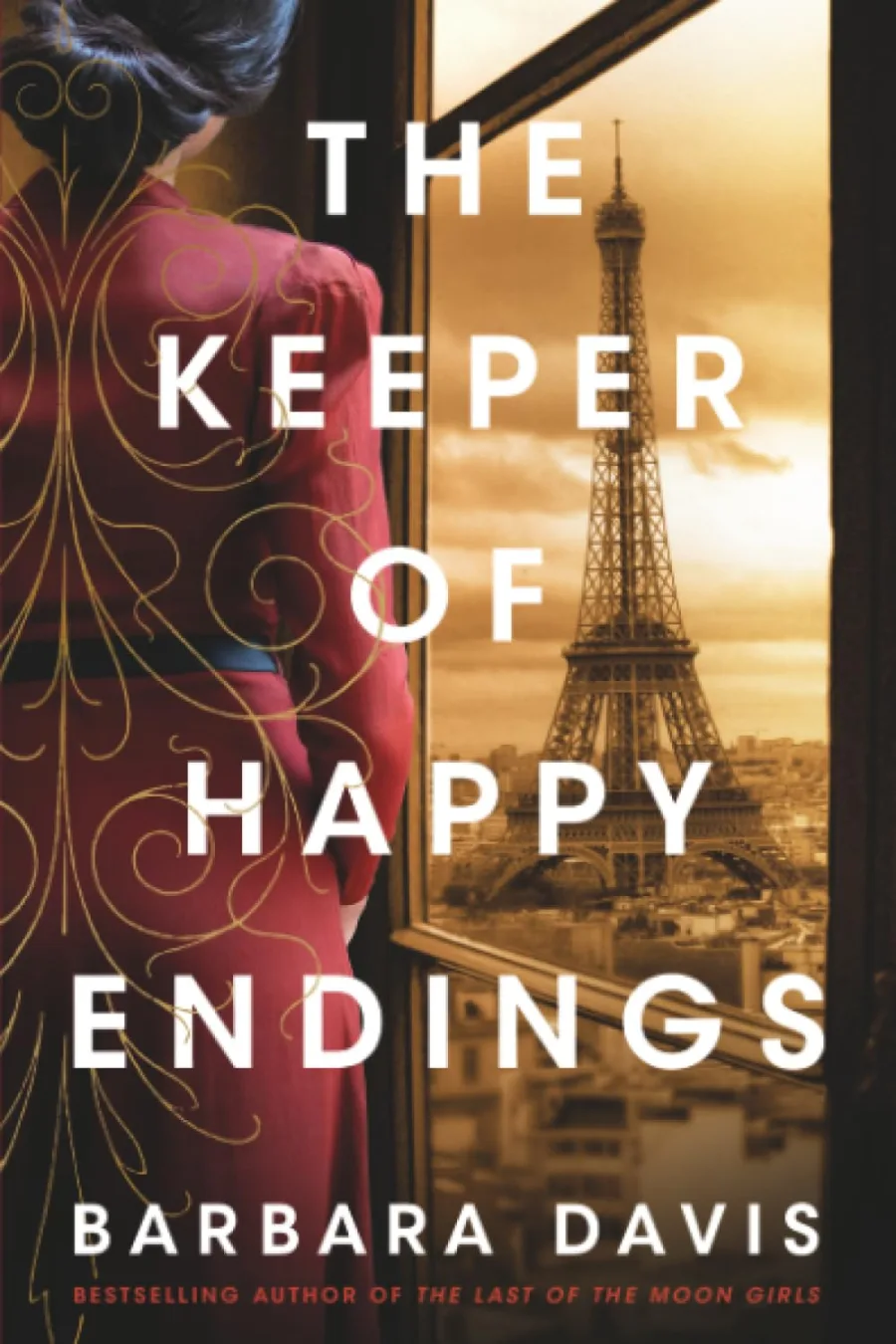
Download Cover Image
Do you want to download the full cover image for The Keeper of Happy Endings?