
The Butterfly Garden
Paperback
• 286 Pages
• USD 15.95
• English
• 9781503934719
No ratings yet
| Publisher | Thomas & Mercer |
|---|---|
| ISBN13 | 9781503934719 |
| ASIN/SKU | 1503934713 |
| Book Format | Paperback |
| Language | English |
| Pages | 286 |
| List Price | USD 15.95 |
| Series Title | The Collector |
| Publishing Date | 01/06/2016 |
| Dimensions | 5.5 x 1 x 8.25 inches |
| Weight | 10.2 ounces |
| Book Code | BD00055929 |
Buy this Book
Amazon Stores
Ebook Stores
Other Stores
Discover The Butterfly Garden by Dot Hutchison. This book is published by Thomas and Mercer in Paperback format, ISBN 9781503934719, ASIN 1503934713, under Mystery, Thriller and Suspense, Kidnapping Thrillers, Serial Killer Thrillers.
Book Description
An Amazon Charts bestseller.
Near an isolated mansion lies a beautiful garden.
In this garden grow luscious flowers, shady trees…and a collection of precious “butterflies”―young women who have been kidnapped and intricately tattooed to resemble their namesakes. Overseeing it all is the Gardener, a brutal, twisted man obsessed with capturing and preserving his lovely specimens.
When the garden is discovered, a survivor is brought in for questioning. FBI agents Victor Hanoverian and Brandon Eddison are tasked with piecing together one of the most stomach-churning cases of their careers. But the girl, known only as Maya, proves to be a puzzle herself.
As her story twists and turns, slowly shedding light on life in the Butterfly Garden, Maya reveals old grudges, new saviors, and horrific tales of a man who’d go to any length to hold beauty captive. But the more she shares, the more the agents have to wonder what she’s still hiding…
Near an isolated mansion lies a beautiful garden.
In this garden grow luscious flowers, shady trees…and a collection of precious “butterflies”―young women who have been kidnapped and intricately tattooed to resemble their namesakes. Overseeing it all is the Gardener, a brutal, twisted man obsessed with capturing and preserving his lovely specimens.
When the garden is discovered, a survivor is brought in for questioning. FBI agents Victor Hanoverian and Brandon Eddison are tasked with piecing together one of the most stomach-churning cases of their careers. But the girl, known only as Maya, proves to be a puzzle herself.
As her story twists and turns, slowly shedding light on life in the Butterfly Garden, Maya reveals old grudges, new saviors, and horrific tales of a man who’d go to any length to hold beauty captive. But the more she shares, the more the agents have to wonder what she’s still hiding…
Author Biography
Dot Hutchison is the author of A Wounded Name, a young adult novel based on Shakespeare’s Hamlet, and the adult thriller The Butterfly Garden. With past experience working at a Boy Scout camp, a craft store, a bookstore, and the Renaissance Faire (as a human combat chess piece), Hutchison prides herself on remaining delightfully in tune with her inner young adult. She loves thunderstorms, mythology, history, and movies that can and should be watched on repeat. For more information on her current projects, visit www.dothutchison.com or check her out on Tumblr (www.dothutchison.tumblr.com), Twitter (@DotHutchison), or Facebook (www.facebook.com/DotHutchison).
Editorial Reviews
Editorial Reviews will be added soon…
Book Summary
The Butterfly Garden by Dot Hutchison is a dark and haunting psychological thriller that combines crime, trauma, and survival into a story that is both disturbing and deeply compelling. The novel begins after the central horror has already ended, which gives it a strange and powerful structure. Rather than starting with the crime itself, the story opens with the rescue of a young woman named Maya, who is being interviewed by two FBI agents after escaping from a place known as the Butterfly Garden. This setting, and the secrets connected to it, slowly unfold through Maya’s account. From the very beginning, the novel creates a feeling of unease because the reader knows something terrible has happened, but the full shape of that horror is revealed gradually, through memory, conversation, and emotional fragments.
The Butterfly Garden itself is not a literal public garden, but a hidden, private prison created by a wealthy and deeply twisted man known only as the Gardener. He kidnaps young women and keeps them in a beautiful but horrifying compound filled with flowers, trees, and controlled luxury. These girls are called his “butterflies.” He has butterfly wings tattooed on their backs, turning them into living objects in his collection. The image is one of the most disturbing elements in the novel because it mixes beauty with cruelty so completely. The garden is visually stunning, but beneath that beauty is imprisonment, abuse, and constant fear. The Gardener believes he is preserving beauty, but in reality he is stripping these young women of freedom, identity, and safety. This contrast between elegance and violence defines much of the book’s atmosphere.
Maya is the primary voice of the novel, and her narration is one of its greatest strengths. She is intelligent, guarded, sharp, and emotionally layered. As she speaks to the FBI agents, it becomes clear that she is not telling her story in a straightforward or simple way. She withholds certain things, controls the pace of what she reveals, and often seems to be assessing her listeners as much as they are assessing her. This creates a strong sense of tension. Maya is clearly a survivor, but she is also someone who has been shaped and complicated by what she endured. Her trauma is real, but so is her resilience. She is not written as passive or broken in a one-dimensional way. Instead, she feels human, unpredictable, and deeply marked by survival.
As Maya’s story unfolds, the reader learns more about life inside the garden. The girls held there come from different backgrounds and have different personalities, and one of the novel’s emotional strengths is the way it portrays the fragile community they build among themselves. Though they are captives, they form relationships, routines, loyalties, and survival strategies. Some try to remain emotionally distant, while others seek comfort in friendship. They share fears, stories, and moments of care in a place designed to deny them control. This does not make their suffering any less brutal, but it gives the novel emotional depth. The girls are not reduced to victims alone. They remain individuals, and their efforts to preserve some part of themselves become central to the story.
The Gardener is a chilling villain not because he is loud or chaotic, but because he is calm, wealthy, and completely convinced of his own rightness. He sees himself as an artist and collector, not as a monster, which makes him even more frightening. His violence is wrapped in politeness, order, and ritual. He does not think of his actions as savage, even though they are. This kind of self-justifying evil gives the novel much of its psychological horror. He has created a world where beauty is used as a mask for domination, and where kindness can be manipulated into another form of control. The fact that he is assisted by others only deepens the horror, because it shows that such cruelty is not always the work of one madman alone. It can be supported, protected, and maintained by systems of silence and complicity.
The structure of the novel moves between the present-day interviews and Maya’s memories of the garden, creating a steady rhythm of revelation. This allows the book to build suspense even though the rescue has already happened. The key question is not whether Maya survives, but how she survived, what happened to the others, and what role she may have played in the final outcome. That structure works very well because it places emotional emphasis on trauma, memory, and truth. Maya is not simply recounting events. She is revisiting them, shaping them, and in some ways reliving them. The FBI agents serve as listeners, but also as stand-ins for the reader, trying to understand a world so horrifying that ordinary logic often feels inadequate.
One of the most striking aspects of The Butterfly Garden is its exploration of survival under impossible conditions. The novel does not romanticize trauma, and it does not pretend that strength always looks noble or pure. The girls survive in different ways, and some of those ways are messy, morally complicated, or hard to explain from the outside. Dot Hutchison is interested in the psychological adaptations people make when they are trapped and powerless. Silence, obedience, emotional detachment, and even performance can all become forms of survival. Maya in particular shows how a survivor may appear composed on the surface while carrying enormous pain underneath. Her intelligence becomes one of her greatest tools, not only in enduring captivity but in understanding the minds of those around her.
The novel also explores the way trauma affects identity. The Gardener tries to transform the girls into butterflies, reducing them to aesthetic objects with new names and controlled roles. But the novel resists that reduction by constantly returning to their voices, memories, and individuality. Even when stripped of freedom, they struggle to hold on to themselves. This makes the book not only a thriller, but also a story about refusing erasure. Maya’s act of telling the story becomes part of that resistance. By speaking, even selectively, she reclaims narrative control from the man who tried to define her.
Emotionally, the novel is heavy and unsettling. It deals with kidnapping, sexual violence, psychological abuse, and the long aftershocks of trauma. Yet it is not written in a sensational or careless way. Its power comes less from shock for its own sake and more from the emotional truth of fear, adaptation, and memory. The horror is real, but so is the tenderness between the girls, the moments of dark humor, and the stubborn human instinct to survive even when hope seems distant. These quieter emotional notes give the story balance and make the characters feel more real.
By the end of the novel, many of the hidden truths surrounding the garden are revealed, and the reader gains a fuller understanding of Maya’s role in what happened there. The ending is both painful and satisfying, not because it erases the damage, but because it gives shape and meaning to the survival that seemed almost impossible. Justice, in this story, is imperfect and incomplete, but truth matters. So does witness. So does endurance.
Overall, The Butterfly Garden is a disturbing, beautifully written psychological thriller that lingers in the mind long after it ends. Dot Hutchison creates a story that is both horrifying and deeply human, using Maya’s voice to guide the reader through terror, memory, and resilience. It is a novel about captivity, but also about the parts of the self that resist captivity. Beneath the darkness, it is ultimately a story about survival, and about the quiet, fierce strength it takes to remain a person in a world designed to turn you into an object.
The Butterfly Garden itself is not a literal public garden, but a hidden, private prison created by a wealthy and deeply twisted man known only as the Gardener. He kidnaps young women and keeps them in a beautiful but horrifying compound filled with flowers, trees, and controlled luxury. These girls are called his “butterflies.” He has butterfly wings tattooed on their backs, turning them into living objects in his collection. The image is one of the most disturbing elements in the novel because it mixes beauty with cruelty so completely. The garden is visually stunning, but beneath that beauty is imprisonment, abuse, and constant fear. The Gardener believes he is preserving beauty, but in reality he is stripping these young women of freedom, identity, and safety. This contrast between elegance and violence defines much of the book’s atmosphere.
Maya is the primary voice of the novel, and her narration is one of its greatest strengths. She is intelligent, guarded, sharp, and emotionally layered. As she speaks to the FBI agents, it becomes clear that she is not telling her story in a straightforward or simple way. She withholds certain things, controls the pace of what she reveals, and often seems to be assessing her listeners as much as they are assessing her. This creates a strong sense of tension. Maya is clearly a survivor, but she is also someone who has been shaped and complicated by what she endured. Her trauma is real, but so is her resilience. She is not written as passive or broken in a one-dimensional way. Instead, she feels human, unpredictable, and deeply marked by survival.
As Maya’s story unfolds, the reader learns more about life inside the garden. The girls held there come from different backgrounds and have different personalities, and one of the novel’s emotional strengths is the way it portrays the fragile community they build among themselves. Though they are captives, they form relationships, routines, loyalties, and survival strategies. Some try to remain emotionally distant, while others seek comfort in friendship. They share fears, stories, and moments of care in a place designed to deny them control. This does not make their suffering any less brutal, but it gives the novel emotional depth. The girls are not reduced to victims alone. They remain individuals, and their efforts to preserve some part of themselves become central to the story.
The Gardener is a chilling villain not because he is loud or chaotic, but because he is calm, wealthy, and completely convinced of his own rightness. He sees himself as an artist and collector, not as a monster, which makes him even more frightening. His violence is wrapped in politeness, order, and ritual. He does not think of his actions as savage, even though they are. This kind of self-justifying evil gives the novel much of its psychological horror. He has created a world where beauty is used as a mask for domination, and where kindness can be manipulated into another form of control. The fact that he is assisted by others only deepens the horror, because it shows that such cruelty is not always the work of one madman alone. It can be supported, protected, and maintained by systems of silence and complicity.
The structure of the novel moves between the present-day interviews and Maya’s memories of the garden, creating a steady rhythm of revelation. This allows the book to build suspense even though the rescue has already happened. The key question is not whether Maya survives, but how she survived, what happened to the others, and what role she may have played in the final outcome. That structure works very well because it places emotional emphasis on trauma, memory, and truth. Maya is not simply recounting events. She is revisiting them, shaping them, and in some ways reliving them. The FBI agents serve as listeners, but also as stand-ins for the reader, trying to understand a world so horrifying that ordinary logic often feels inadequate.
One of the most striking aspects of The Butterfly Garden is its exploration of survival under impossible conditions. The novel does not romanticize trauma, and it does not pretend that strength always looks noble or pure. The girls survive in different ways, and some of those ways are messy, morally complicated, or hard to explain from the outside. Dot Hutchison is interested in the psychological adaptations people make when they are trapped and powerless. Silence, obedience, emotional detachment, and even performance can all become forms of survival. Maya in particular shows how a survivor may appear composed on the surface while carrying enormous pain underneath. Her intelligence becomes one of her greatest tools, not only in enduring captivity but in understanding the minds of those around her.
The novel also explores the way trauma affects identity. The Gardener tries to transform the girls into butterflies, reducing them to aesthetic objects with new names and controlled roles. But the novel resists that reduction by constantly returning to their voices, memories, and individuality. Even when stripped of freedom, they struggle to hold on to themselves. This makes the book not only a thriller, but also a story about refusing erasure. Maya’s act of telling the story becomes part of that resistance. By speaking, even selectively, she reclaims narrative control from the man who tried to define her.
Emotionally, the novel is heavy and unsettling. It deals with kidnapping, sexual violence, psychological abuse, and the long aftershocks of trauma. Yet it is not written in a sensational or careless way. Its power comes less from shock for its own sake and more from the emotional truth of fear, adaptation, and memory. The horror is real, but so is the tenderness between the girls, the moments of dark humor, and the stubborn human instinct to survive even when hope seems distant. These quieter emotional notes give the story balance and make the characters feel more real.
By the end of the novel, many of the hidden truths surrounding the garden are revealed, and the reader gains a fuller understanding of Maya’s role in what happened there. The ending is both painful and satisfying, not because it erases the damage, but because it gives shape and meaning to the survival that seemed almost impossible. Justice, in this story, is imperfect and incomplete, but truth matters. So does witness. So does endurance.
Overall, The Butterfly Garden is a disturbing, beautifully written psychological thriller that lingers in the mind long after it ends. Dot Hutchison creates a story that is both horrifying and deeply human, using Maya’s voice to guide the reader through terror, memory, and resilience. It is a novel about captivity, but also about the parts of the self that resist captivity. Beneath the darkness, it is ultimately a story about survival, and about the quiet, fierce strength it takes to remain a person in a world designed to turn you into an object.
Sample Chapters
Sample Chapters will be added soon…
Reader Reviews
No reviews yet.
The Butterfly Garden
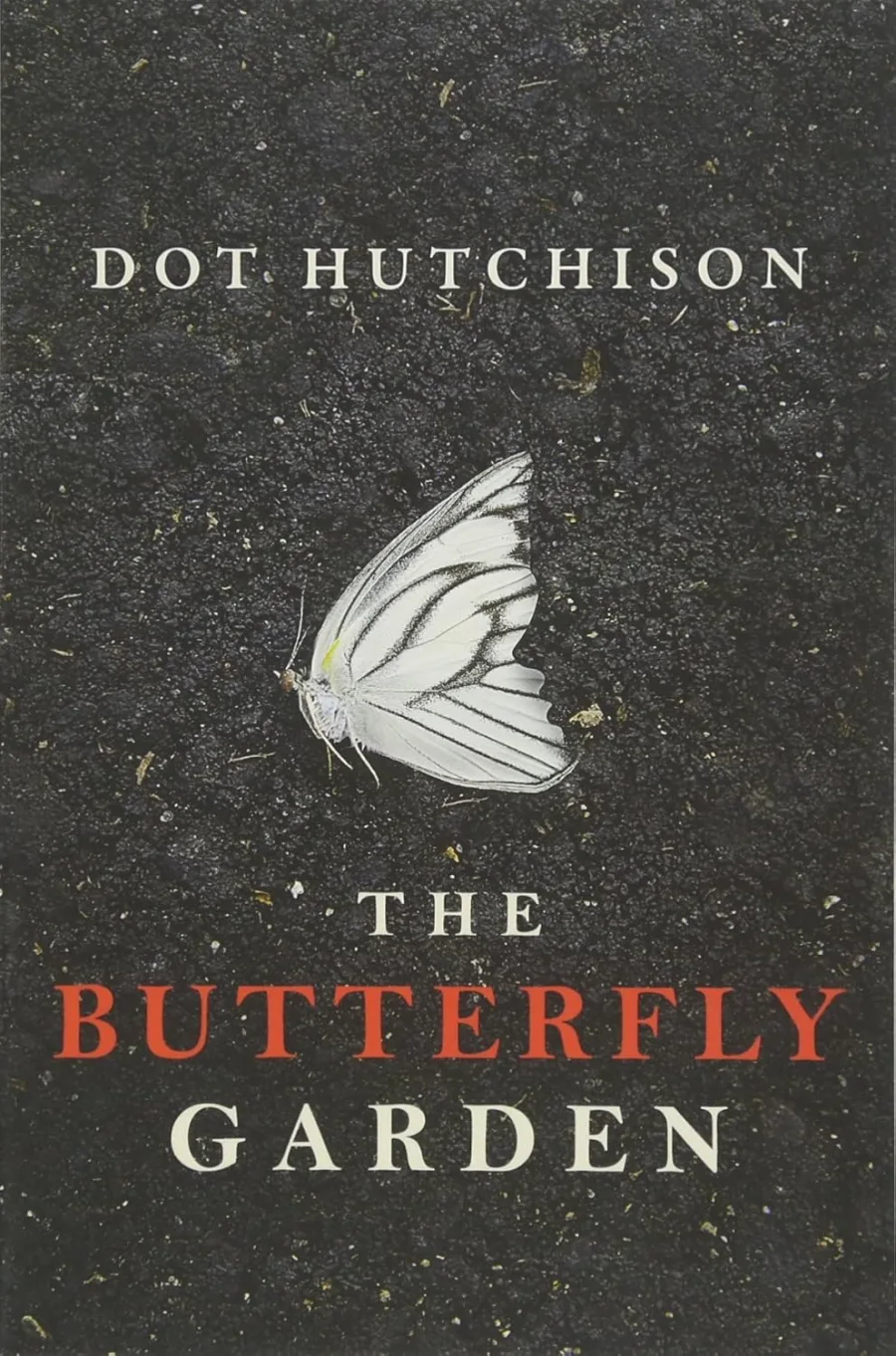
Download Cover Image
Do you want to download the full cover image for The Butterfly Garden?