
The Dutch House: A Read with Jenna Pick
Paperback
• 352 Pages
• USD 19.00
• English
• 9780062963680
No ratings yet
| Publisher | Harper Perennial |
|---|---|
| ISBN13 | 9780062963680 |
| ASIN/SKU | 0062963686 |
| Book Format | Paperback |
| Language | English |
| Pages | 352 |
| List Price | USD 19.00 |
| Publishing Date | 05/01/2021 |
| Dimensions | 5.31 x 0.79 x 8 inches |
| Weight | 2.31 pounds |
| Book Code | BD00055937 |
Buy this Book
Amazon Stores
Ebook Stores
Other Stores
Discover The Dutch House: A Read with Jenna Pick by Ann Patchett. This book is published by Harper Perennial in Paperback format, ISBN 9780062963680, ASIN 0062963686, under Literature and Fiction, Women's Divorce Fiction, Sisters Fiction.
Book Description
Pulitzer Prize Finalist | New York Times Bestseller | A Read with Jenna Today Show Book Club Pick | A New York Times Book Review Notable Book | TIME Magazine's 100 Must-Read Books of the Year
Named one of the Best Books of the Year by NPR, the Washington Post; O: The Oprah Magazine, Real Simple, Good Housekeeping, Vogue, Refinery29, and Buzzfeed
From Ann Patchett, the #1 New York Times bestselling author of Commonwealth, comes a powerful, richly moving story that explores the indelible bond between two siblings, the house of their childhood, and a past that will not let them go. The Dutch House is the story of a paradise lost, a tour de force that digs deeply into questions of inheritance, love and forgiveness, of how we want to see ourselves and of who we really are.
At the end of the Second World War, Cyril Conroy combines luck and a single canny investment to begin an enormous real estate empire, propelling his family from poverty to enormous wealth. His first order of business is to buy the Dutch House, a lavish estate in the suburbs outside of Philadelphia. Meant as a surprise for his wife, the house sets in motion the undoing of everyone he loves.
The story is told by Cyril’s son Danny, as he and his older sister, the brilliantly acerbic and self-assured Maeve, are exiled from the house where they grew up by their stepmother. The two wealthy siblings are thrown back into the poverty their parents had escaped from and find that all they have to count on is one another. It is this unshakeable bond between them that both saves their lives and thwarts their futures.
Set over the course of five decades, The Dutch House is a dark fairy tale about two smart people who cannot overcome their past. Despite every outward sign of success, Danny and Maeve are only truly comfortable when they’re together. Throughout their lives they return to the well-worn story of what they’ve lost with humor and rage. But when at last they’re forced to confront the people who left them behind, the relationship between an indulged brother and his ever-protective sister is finally tested.
Named one of the Best Books of the Year by NPR, the Washington Post; O: The Oprah Magazine, Real Simple, Good Housekeeping, Vogue, Refinery29, and Buzzfeed
From Ann Patchett, the #1 New York Times bestselling author of Commonwealth, comes a powerful, richly moving story that explores the indelible bond between two siblings, the house of their childhood, and a past that will not let them go. The Dutch House is the story of a paradise lost, a tour de force that digs deeply into questions of inheritance, love and forgiveness, of how we want to see ourselves and of who we really are.
At the end of the Second World War, Cyril Conroy combines luck and a single canny investment to begin an enormous real estate empire, propelling his family from poverty to enormous wealth. His first order of business is to buy the Dutch House, a lavish estate in the suburbs outside of Philadelphia. Meant as a surprise for his wife, the house sets in motion the undoing of everyone he loves.
The story is told by Cyril’s son Danny, as he and his older sister, the brilliantly acerbic and self-assured Maeve, are exiled from the house where they grew up by their stepmother. The two wealthy siblings are thrown back into the poverty their parents had escaped from and find that all they have to count on is one another. It is this unshakeable bond between them that both saves their lives and thwarts their futures.
Set over the course of five decades, The Dutch House is a dark fairy tale about two smart people who cannot overcome their past. Despite every outward sign of success, Danny and Maeve are only truly comfortable when they’re together. Throughout their lives they return to the well-worn story of what they’ve lost with humor and rage. But when at last they’re forced to confront the people who left them behind, the relationship between an indulged brother and his ever-protective sister is finally tested.
Author Biography
Ann Patchett is the author of novels, most recently the #1 New York Times bestselling Tom Lake, works of nonfiction, and children's books. She has been the recipient of numerous awards, including the PEN/Faulkner, the Women's Prize for Fiction in the UK, and the Book Sense Book of the Year. Her novel The Dutch House was a finalist for the Pulitzer Prize. Her work has been translated into more than thirty languages, and Time magazine named her one of the 100 Most Influential People in the World. President Biden awarded her the National Humanities Medal in recognition of her contributions to American culture. She lives in Nashville, Tennessee, where she is the owner of Parnassus Books.
Editorial Reviews
“Enchanting.” - PEOPLE Magazine, Best Books of Fall 2019
“Patchett is at her subtle yet shining finest in this gloriously incisive, often droll, quietly suspenseful drama of family, ambition, and home. . . . With echoes of F. Scott Fitzgerald and in sync with Alice McDermott, Patchett gracefully choreographs surprising revelations and reunions as her characters struggle with the need to be one’s true self.” - Booklist
“Expect miracles when you read Ann Patchett’s fiction.” - New York Times Book Review
“Patchett is a master storyteller.” - O, the Oprah Magazine
“Patchett’s splendid novel is a thoughtful, compassionate exploration of obsession and forgiveness, what people acquire, keep, lose or give away, and what they leave behind.” - Publishers Weekly(starred review)
“A lavishly gifted writer.” - Los Angeles Times
"The Dutch House confirms what we've always known: Ann Patchett doesn't write a bad book." - BookPage
"This finely textured novel is made up of many such small, intimate moments, yet the effect is sweeping, grand, and lavish—and all deeply moving." - New York Journal of Books
"This is a serious and poignant story, but also a delightfully funny one." - Washington Independent Review of Books
"The Dutch House is beautifully written and often tender." - The Spectator
"A great novelist is on top form with this tale of lost family home." - The Times (London)
"Subtle mystery, psychological page-turner, Patchett's latest is a thriller." - Washington Post
“A big-hearted, capacious novel...” - Chapter 16
“The Dutch House is unusual, thoughtful and oddly exciting, as well-told domestic dramas can be.” - Columbus Dispatch
“Patchett’s storytelling abilities shine in this gratifying novel.” - Associated Press
"As always, Patchett leads us to a truth that feels like life rather than literature." - The Guardian
"For Patchett fans who have been waiting for years, it's a worthwhile read." - Evening Standard (London)
"Ann Patchett spins a dark, compelling fairy tale in The Dutch House." - Entertainment Weekly
“Patchett writes enviable prose—fluid, simple, direct, clear, and fearless.” - Esquire
"You won’t want to put down this engrossing, warmhearted book even after you’ve read the last page.” - NPR
"As always, the author draws us close to her protagonists swiftly and gracefully." - Wall Street Journal
"Patchett’s prose is confident, unfussy and unadorned." - New York Times
“The Dutch House has the richness, allusiveness, and emotional heft of the best fiction.” - Boston Globe
“This richly furnished novel gives brilliantly clear views into the lives it contains.” - Kirkus Reviews(starred review)
“Patchett is at her subtle yet shining finest in this gloriously incisive, often droll, quietly suspenseful drama of family, ambition, and home. . . . With echoes of F. Scott Fitzgerald and in sync with Alice McDermott, Patchett gracefully choreographs surprising revelations and reunions as her characters struggle with the need to be one’s true self.” - Booklist
“Expect miracles when you read Ann Patchett’s fiction.” - New York Times Book Review
“Patchett is a master storyteller.” - O, the Oprah Magazine
“Patchett’s splendid novel is a thoughtful, compassionate exploration of obsession and forgiveness, what people acquire, keep, lose or give away, and what they leave behind.” - Publishers Weekly(starred review)
“A lavishly gifted writer.” - Los Angeles Times
"The Dutch House confirms what we've always known: Ann Patchett doesn't write a bad book." - BookPage
"This finely textured novel is made up of many such small, intimate moments, yet the effect is sweeping, grand, and lavish—and all deeply moving." - New York Journal of Books
"This is a serious and poignant story, but also a delightfully funny one." - Washington Independent Review of Books
"The Dutch House is beautifully written and often tender." - The Spectator
"A great novelist is on top form with this tale of lost family home." - The Times (London)
"Subtle mystery, psychological page-turner, Patchett's latest is a thriller." - Washington Post
“A big-hearted, capacious novel...” - Chapter 16
“The Dutch House is unusual, thoughtful and oddly exciting, as well-told domestic dramas can be.” - Columbus Dispatch
“Patchett’s storytelling abilities shine in this gratifying novel.” - Associated Press
"As always, Patchett leads us to a truth that feels like life rather than literature." - The Guardian
"For Patchett fans who have been waiting for years, it's a worthwhile read." - Evening Standard (London)
"Ann Patchett spins a dark, compelling fairy tale in The Dutch House." - Entertainment Weekly
“Patchett writes enviable prose—fluid, simple, direct, clear, and fearless.” - Esquire
"You won’t want to put down this engrossing, warmhearted book even after you’ve read the last page.” - NPR
"As always, the author draws us close to her protagonists swiftly and gracefully." - Wall Street Journal
"Patchett’s prose is confident, unfussy and unadorned." - New York Times
“The Dutch House has the richness, allusiveness, and emotional heft of the best fiction.” - Boston Globe
“This richly furnished novel gives brilliantly clear views into the lives it contains.” - Kirkus Reviews(starred review)
Book Summary
The Dutch House by Ann Patchett is a quiet, emotionally layered novel about memory, family, loss, and the ways people remain shaped by the past long after childhood ends. The story is narrated by Danny Conroy, who looks back on his life from adulthood and tells the story of the house that defined his family: a grand, elegant mansion in suburban Pennsylvania known as the Dutch House. The house is not just a setting but almost a living presence in the novel, standing at the center of the family’s joys, tragedies, and long years of resentment. Danny and his older sister Maeve grow up in a wealthy but emotionally unstable household. Their father, Cyril, made his money in real estate and eventually bought the Dutch House, a property he clearly loves for its beauty and status. But the real emotional force in the home is their mother, who is distant, unhappy, and uninterested in raising children. She disappears from the children’s lives early on, leaving Danny and Maeve with a sense of abandonment that never fully leaves them.
After their mother’s departure, Danny and Maeve become deeply dependent on each other. Maeve, much older than Danny, takes on a protective, almost parental role. She is intelligent, practical, sharp-eyed, and fiercely loyal. Danny, by contrast, is younger, more emotionally drifting, and often content to follow her lead. Their bond is the heart of the novel. They grow up in the shadow of the Dutch House, watching their father move on and marry Andrea, a woman who quickly becomes the stepmother neither child can trust. Andrea is outwardly polite and refined, but underneath she is calculating, cold, and determined to secure the house for herself and her own daughters. The tension inside the family grows quietly at first, but it becomes unmistakable over time as Andrea’s presence steadily reshapes the home and the children’s place within it.
The Dutch House itself becomes a symbol of everything the children have lost and cannot recover. It is beautiful, full of history, and richly furnished, but it is never truly warm. Danny and Maeve are eventually forced out of the house, a rupture that becomes one of the defining injuries of their lives. They do not simply lose a place to live; they lose the one physical structure that held their childhood memories, including what little security they had. Being expelled from the house creates a wound in both siblings, especially because the loss feels unjust and final. Their father, who once seemed powerful and reliable, proves weak and easily influenced. Andrea, who resents the children and manipulates the family situation, ends up holding more control than they ever expected. The eviction from the Dutch House becomes the moment when Danny and Maeve understand that love in their family is conditional, and that wealth cannot protect them from betrayal.
The novel moves through the decades of Danny and Maeve’s lives, showing how this early trauma shapes every later decision. Maeve, highly intelligent and disciplined, gives up much of her own life to look after Danny. She becomes the person he turns to for advice, money, stability, and truth. Danny admires her deeply, and their relationship is a mixture of sibling love, gratitude, dependence, and unresolved pain. He often seems to drift through life while Maeve remains the stronger, steadier one. She helps guide him through school, career choices, and emotional crises, but she also pays a price for being the one who always holds things together. Their relationship is unusual because it is built not only on affection but also on survival. They are each other’s witnesses to the past, and the Dutch House remains the central object around which their grief continues to circle.
As Danny grows into adulthood, he becomes a doctor and builds a life of his own, but he never truly escapes the shadow of his childhood. He has romantic relationships, professional responsibilities, and eventually children of his own, yet the emotional center of his life remains his connection to Maeve and the lost house. The narrative often returns to the past, not in a neat chronological way, but as if Danny cannot help revisiting the same scenes over and over, trying to understand what happened and why. Ann Patchett uses this repetition to show how memory works: the same moment can remain alive for decades, changing slightly with each retelling. Danny’s adult life is not a clean break from childhood but an extension of it, haunted by unfinished feelings.
One of the most striking parts of the novel is the way it portrays wealth and privilege. On the outside, the Conroys appear to have everything: a beautiful home, money, status, and opportunity. But the novel shows how little these things matter when emotional connection is missing. The Dutch House is expensive and impressive, yet it cannot make the family whole. The people inside it are lonely, guarded, and often cruel to one another. The story makes clear that privilege can hide emotional damage rather than solve it. Cyril’s wealth allows him to make decisions, but not good ones. Andrea’s concern with appearances masks her selfishness. Even the beauty of the house itself becomes part of the problem, because its perfection intensifies the children’s attachment to it and makes their loss more painful.
The passing of time gives the novel a reflective, almost elegiac tone. Much of the book is less about dramatic action than about the long process of living with old wounds. Danny and Maeve revisit the same memories in different forms, not because they are stuck in the past exactly, but because the past remains active in them. Their adult conversations are often about what happened years ago, what should have happened, and whether anything could have been different. There is a deep sadness in the fact that the siblings know each other so well and yet cannot fully heal each other. Still, the novel also offers comfort in the constancy of their bond. However damaged they are, they remain present for one another, and that loyalty becomes its own kind of love story.
The Dutch House is also a novel about the way people tell stories to survive. Danny’s narration is intimate and thoughtful, and as he tells the story, he gradually realizes how memory, family myth, and personal desire shape what he believes to be true. He does not always understand his own mother’s motives, his father’s failures, or Andrea’s bitterness, and part of the book’s power comes from the fact that some questions remain unresolved. Patchett does not try to give every character a perfect explanation. Instead, she presents family life as messy, partial, and often impossible to fully decode. The reader is left with the sense that what matters most is not a complete answer, but the emotional truth of what these people lived through.
By the end of The Dutch House the novel has become a meditation on what it means to lose a home, to carry childhood into adulthood, and to love someone across a lifetime of damage and disappointment. The house itself remains in memory as both a place and a feeling: beautiful, unwelcoming, unforgettable. Danny and Maeve may never reclaim what was taken from them, but they continue to preserve it through memory, conversation, and devotion to each other. The book’s quiet power lies in showing that family can be both a source of deep injury and the only place where a person can still feel known.
After their mother’s departure, Danny and Maeve become deeply dependent on each other. Maeve, much older than Danny, takes on a protective, almost parental role. She is intelligent, practical, sharp-eyed, and fiercely loyal. Danny, by contrast, is younger, more emotionally drifting, and often content to follow her lead. Their bond is the heart of the novel. They grow up in the shadow of the Dutch House, watching their father move on and marry Andrea, a woman who quickly becomes the stepmother neither child can trust. Andrea is outwardly polite and refined, but underneath she is calculating, cold, and determined to secure the house for herself and her own daughters. The tension inside the family grows quietly at first, but it becomes unmistakable over time as Andrea’s presence steadily reshapes the home and the children’s place within it.
The Dutch House itself becomes a symbol of everything the children have lost and cannot recover. It is beautiful, full of history, and richly furnished, but it is never truly warm. Danny and Maeve are eventually forced out of the house, a rupture that becomes one of the defining injuries of their lives. They do not simply lose a place to live; they lose the one physical structure that held their childhood memories, including what little security they had. Being expelled from the house creates a wound in both siblings, especially because the loss feels unjust and final. Their father, who once seemed powerful and reliable, proves weak and easily influenced. Andrea, who resents the children and manipulates the family situation, ends up holding more control than they ever expected. The eviction from the Dutch House becomes the moment when Danny and Maeve understand that love in their family is conditional, and that wealth cannot protect them from betrayal.
The novel moves through the decades of Danny and Maeve’s lives, showing how this early trauma shapes every later decision. Maeve, highly intelligent and disciplined, gives up much of her own life to look after Danny. She becomes the person he turns to for advice, money, stability, and truth. Danny admires her deeply, and their relationship is a mixture of sibling love, gratitude, dependence, and unresolved pain. He often seems to drift through life while Maeve remains the stronger, steadier one. She helps guide him through school, career choices, and emotional crises, but she also pays a price for being the one who always holds things together. Their relationship is unusual because it is built not only on affection but also on survival. They are each other’s witnesses to the past, and the Dutch House remains the central object around which their grief continues to circle.
As Danny grows into adulthood, he becomes a doctor and builds a life of his own, but he never truly escapes the shadow of his childhood. He has romantic relationships, professional responsibilities, and eventually children of his own, yet the emotional center of his life remains his connection to Maeve and the lost house. The narrative often returns to the past, not in a neat chronological way, but as if Danny cannot help revisiting the same scenes over and over, trying to understand what happened and why. Ann Patchett uses this repetition to show how memory works: the same moment can remain alive for decades, changing slightly with each retelling. Danny’s adult life is not a clean break from childhood but an extension of it, haunted by unfinished feelings.
One of the most striking parts of the novel is the way it portrays wealth and privilege. On the outside, the Conroys appear to have everything: a beautiful home, money, status, and opportunity. But the novel shows how little these things matter when emotional connection is missing. The Dutch House is expensive and impressive, yet it cannot make the family whole. The people inside it are lonely, guarded, and often cruel to one another. The story makes clear that privilege can hide emotional damage rather than solve it. Cyril’s wealth allows him to make decisions, but not good ones. Andrea’s concern with appearances masks her selfishness. Even the beauty of the house itself becomes part of the problem, because its perfection intensifies the children’s attachment to it and makes their loss more painful.
The passing of time gives the novel a reflective, almost elegiac tone. Much of the book is less about dramatic action than about the long process of living with old wounds. Danny and Maeve revisit the same memories in different forms, not because they are stuck in the past exactly, but because the past remains active in them. Their adult conversations are often about what happened years ago, what should have happened, and whether anything could have been different. There is a deep sadness in the fact that the siblings know each other so well and yet cannot fully heal each other. Still, the novel also offers comfort in the constancy of their bond. However damaged they are, they remain present for one another, and that loyalty becomes its own kind of love story.
The Dutch House is also a novel about the way people tell stories to survive. Danny’s narration is intimate and thoughtful, and as he tells the story, he gradually realizes how memory, family myth, and personal desire shape what he believes to be true. He does not always understand his own mother’s motives, his father’s failures, or Andrea’s bitterness, and part of the book’s power comes from the fact that some questions remain unresolved. Patchett does not try to give every character a perfect explanation. Instead, she presents family life as messy, partial, and often impossible to fully decode. The reader is left with the sense that what matters most is not a complete answer, but the emotional truth of what these people lived through.
By the end of The Dutch House the novel has become a meditation on what it means to lose a home, to carry childhood into adulthood, and to love someone across a lifetime of damage and disappointment. The house itself remains in memory as both a place and a feeling: beautiful, unwelcoming, unforgettable. Danny and Maeve may never reclaim what was taken from them, but they continue to preserve it through memory, conversation, and devotion to each other. The book’s quiet power lies in showing that family can be both a source of deep injury and the only place where a person can still feel known.
Sample Chapters
Sample Chapters will be added soon…
Reader Reviews
No reviews yet.
The Dutch House: A Read with Jenna Pick
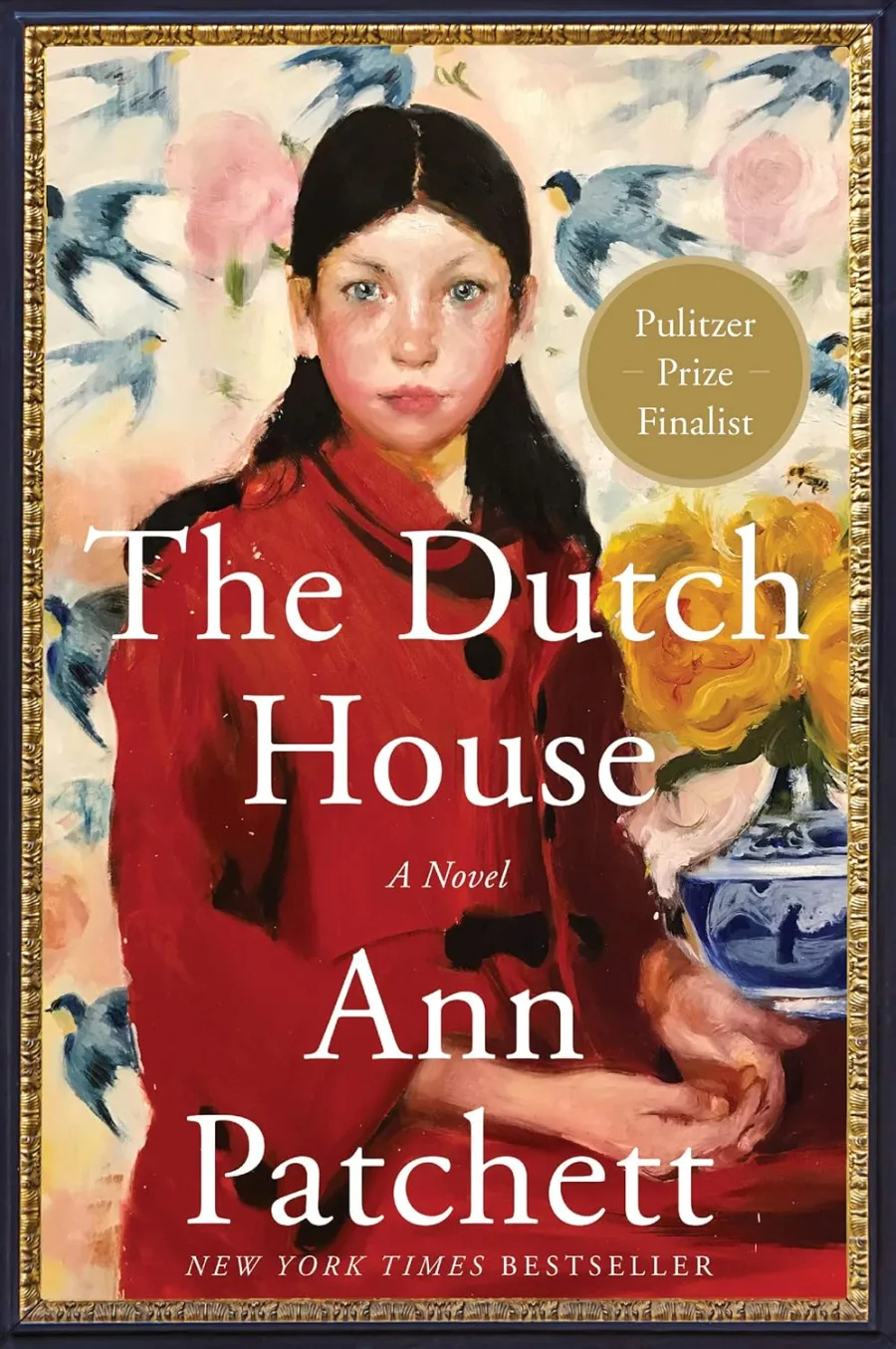
Download Cover Image
Do you want to download the full cover image for The Dutch House: A Read with Jenna Pick?