
House in the Cerulean Sea (Cerulean Chronicles, 1)
Paperback
• 416 Pages
• USD 20.35
• English
• 9781250217318
No ratings yet
| Publisher | Tor |
|---|---|
| ISBN13 | 9781250217318 |
| ASIN/SKU | 1250217318 |
| Book Format | Paperback |
| Language | English |
| Pages | 416 |
| List Price | USD 20.35 |
| Publishing Date | 29/12/2020 |
| Dimensions | 5.49 x 1 x 8.27 inches |
| Weight | 2.31 pounds |
| Book Code | BD00055943 |
Buy this Book
Amazon Stores
Ebook Stores
Other Stores
Discover House in the Cerulean Sea (Cerulean Chronicles, 1) by TJ Klune. This book is published by Tor in Paperback format, ISBN 9781250217318, ASIN 1250217318, under Literature and Fiction, LGBTQ+ Fantasy, LGBTQ+ Humorous Fiction.
Book Description
A NEW YORK TIMES, USA TODAY, INDIE and WASHINGTON POST BESTSELLER!
A 2021 Alex Award winner!
The 2021 RUSA Reading List: Fantasy Winner!
An Indie Next Pick!
One of Publishers Weekly's "Most Anticipated Books of Spring 2020"
One of Book Riot’s “20 Must-Read Feel-Good Fantasies”
Lambda Literary Award-winning author TJ Klune’s bestselling, breakout contemporary fantasy that's "1984 meets The Umbrella Academy with a pinch of Douglas Adams thrown in." (Gail Carriger)
A magical island. A dangerous task. A burning secret.
Linus Baker leads a quiet, solitary life. At forty, he lives in a tiny house with a devious cat and his old records. As a Case Worker at the Department in Charge Of Magical Youth, he spends his days overseeing the well-being of children in government-sanctioned orphanages.
When Linus is unexpectedly summoned by Extremely Upper Management he's given a curious and highly classified assignment: travel to Marsyas Island Orphanage, where six dangerous children reside: a gnome, a sprite, a wyvern, an unidentifiable green blob, a were-Pomeranian, and the Antichrist. Linus must set aside his fears and determine whether or not they’re likely to bring about the end of days.
But the children aren’t the only secret the island keeps. Their caretaker is the charming and enigmatic Arthur Parnassus, who will do anything to keep his wards safe. As Arthur and Linus grow closer, long-held secrets are exposed, and Linus must make a choice: destroy a home or watch the world burn.
An enchanting story, masterfully told, The House in the Cerulean Sea is about the profound experience of discovering an unlikely family in an unexpected place―and realizing that family is yours.
A 2021 Alex Award winner!
The 2021 RUSA Reading List: Fantasy Winner!
An Indie Next Pick!
One of Publishers Weekly's "Most Anticipated Books of Spring 2020"
One of Book Riot’s “20 Must-Read Feel-Good Fantasies”
Lambda Literary Award-winning author TJ Klune’s bestselling, breakout contemporary fantasy that's "1984 meets The Umbrella Academy with a pinch of Douglas Adams thrown in." (Gail Carriger)
A magical island. A dangerous task. A burning secret.
Linus Baker leads a quiet, solitary life. At forty, he lives in a tiny house with a devious cat and his old records. As a Case Worker at the Department in Charge Of Magical Youth, he spends his days overseeing the well-being of children in government-sanctioned orphanages.
When Linus is unexpectedly summoned by Extremely Upper Management he's given a curious and highly classified assignment: travel to Marsyas Island Orphanage, where six dangerous children reside: a gnome, a sprite, a wyvern, an unidentifiable green blob, a were-Pomeranian, and the Antichrist. Linus must set aside his fears and determine whether or not they’re likely to bring about the end of days.
But the children aren’t the only secret the island keeps. Their caretaker is the charming and enigmatic Arthur Parnassus, who will do anything to keep his wards safe. As Arthur and Linus grow closer, long-held secrets are exposed, and Linus must make a choice: destroy a home or watch the world burn.
An enchanting story, masterfully told, The House in the Cerulean Sea is about the profound experience of discovering an unlikely family in an unexpected place―and realizing that family is yours.
Author Biography
TJ KLUNE is the #1 New York Times and #1 USA Today bestselling, Lambda Literary Award-winning author of The House in the Cerulean Sea, Under the Whispering Door, In the Lives of Puppets, the Green Creek Series for adults, the Extraordinaries Series for teens, and more. Being queer himself, Klune believes it's important―now more than ever―to have accurate, positive queer representation in stories.
Editorial Reviews
A NEW YORK TIMES, USA TODAY, and WASHINGTON POST BESTSELLER!
A 2021 Alex Award winner!
The 2021 RUSA Reading List: Fantasy Winner!
An Indie Next Pick!
One of Publishers Weekly's "Most Anticipated Books of Spring 2020"
One of Book Riot’s “20 Must-Read Feel-Good Fantasies”
"I loved it. It is like being wrapped up in a big gay blanket. Simply perfect." ―V.E. Schwab, #1 New York Times bestselling author of The Invisible Life of Addie LaRue
"It will renew your faith in humanity.” ―Terry Brooks, New York Times bestselling author of the Shannara series
“It’s a witty, wholesome fantasy that’s likely to cause heart-swelling.” ―The Washington Post
“The House in The Cerulean Sea is a modern fairy tale about learning your true nature and what you love and will protect. It's a beautiful book.” ―Charlaine Harris, #1 New York Times bestselling author
“1984 meets The Umbrella Academy with a pinch of Douglas Adams thrown in. Touching, tender, and truly delightful, The House in the Cerulean Sea is an utterly absorbing story of tolerance, found family, and defeating bureaucracy.”―Gail Carriger, New York Times bestselling author of Soulless
“Sweet, comforting, and kind, this book is very close to perfect. The House in the Cerulean Sea is a work of classic children's literature written for adults and children alike, with the perspective and delicacy of the modern day. I cannot recommend it highly enough.” ―Seanan McGuire, New York Times bestselling author of Every Heart a Doorway
“Is it possible to fall in love with someone’s imagination? If so, consider me fully smitten. TJ Klune creates worlds where fear and threat can be conquered by kindness, and a tender, queer heart is more valuable than any weapon or power.” ―David Levithan
“Quirk and charm give way to a serious exploration of the dangers of complacency in this delightful, thought-provoking Orwellian fantasy from Klune.... This tale of found family is hopeful to its core. Readers will revel in Klune’s wit and ingenuity.” ―Publishers Weekly (starred review)
"Lambda Literary Award-winning author Klune (The Art of Breathing, 2019, etc.) has a knack for creating endearing characters, and readers will grow to love Arthur and the orphans alongside Linus... fans of quirky fantasy will eat it up. A breezy and fun contemporary fantasy." ―Kirkus
“This is a sweet narrative about the value of asking questions and the benefits of giving people (especially children) a chance to be safe, protected, and themselves, regardless of what assumptions one might glean from, say, reading their case file.” ―Booklist
“This inclusive fantasy is quite possibly the greatest feel-good story ever to involve the Antichrist.... The House in the Cerulean Sea will delight fans of Seanan McGuire's Wayward Children series and any reader looking for a burst of humor and hope.” ―Shelf Awareness
“A beautiful little gem of both irony and, yes, kindness.” ―Fantasy & Science Fiction
“TJ Klune is a master storyteller.” ―The Mary Sue
A 2021 Alex Award winner!
The 2021 RUSA Reading List: Fantasy Winner!
An Indie Next Pick!
One of Publishers Weekly's "Most Anticipated Books of Spring 2020"
One of Book Riot’s “20 Must-Read Feel-Good Fantasies”
"I loved it. It is like being wrapped up in a big gay blanket. Simply perfect." ―V.E. Schwab, #1 New York Times bestselling author of The Invisible Life of Addie LaRue
"It will renew your faith in humanity.” ―Terry Brooks, New York Times bestselling author of the Shannara series
“It’s a witty, wholesome fantasy that’s likely to cause heart-swelling.” ―The Washington Post
“The House in The Cerulean Sea is a modern fairy tale about learning your true nature and what you love and will protect. It's a beautiful book.” ―Charlaine Harris, #1 New York Times bestselling author
“1984 meets The Umbrella Academy with a pinch of Douglas Adams thrown in. Touching, tender, and truly delightful, The House in the Cerulean Sea is an utterly absorbing story of tolerance, found family, and defeating bureaucracy.”―Gail Carriger, New York Times bestselling author of Soulless
“Sweet, comforting, and kind, this book is very close to perfect. The House in the Cerulean Sea is a work of classic children's literature written for adults and children alike, with the perspective and delicacy of the modern day. I cannot recommend it highly enough.” ―Seanan McGuire, New York Times bestselling author of Every Heart a Doorway
“Is it possible to fall in love with someone’s imagination? If so, consider me fully smitten. TJ Klune creates worlds where fear and threat can be conquered by kindness, and a tender, queer heart is more valuable than any weapon or power.” ―David Levithan
“Quirk and charm give way to a serious exploration of the dangers of complacency in this delightful, thought-provoking Orwellian fantasy from Klune.... This tale of found family is hopeful to its core. Readers will revel in Klune’s wit and ingenuity.” ―Publishers Weekly (starred review)
"Lambda Literary Award-winning author Klune (The Art of Breathing, 2019, etc.) has a knack for creating endearing characters, and readers will grow to love Arthur and the orphans alongside Linus... fans of quirky fantasy will eat it up. A breezy and fun contemporary fantasy." ―Kirkus
“This is a sweet narrative about the value of asking questions and the benefits of giving people (especially children) a chance to be safe, protected, and themselves, regardless of what assumptions one might glean from, say, reading their case file.” ―Booklist
“This inclusive fantasy is quite possibly the greatest feel-good story ever to involve the Antichrist.... The House in the Cerulean Sea will delight fans of Seanan McGuire's Wayward Children series and any reader looking for a burst of humor and hope.” ―Shelf Awareness
“A beautiful little gem of both irony and, yes, kindness.” ―Fantasy & Science Fiction
“TJ Klune is a master storyteller.” ―The Mary Sue
Book Summary
The House in the Cerulean Sea by TJ Klune is a tender, hopeful fantasy about found family, prejudice, and learning to choose joy over fear. It follows Linus Baker, a quiet, middle-aged caseworker who lives a very small, orderly life. He works for the Department in Charge of Magical Youth (DICOMY), an organization that oversees orphanages for children with magical abilities. Linus’s days are rigidly structured: he wakes up alone, feeds his cat, goes to his gray job, follows the rules, and returns to his tiny house to listen to the rain and play old records. He believes in doing his duty and following the Handbook, the strict rulebook that tells him how to behave and what to think. His identity is wrapped up in being “proper” and invisible. It’s not that he is cruel; he’s simply cautious, trained to keep emotional distance from the children he evaluates and to trust the system more than his own heart.
Everything changes when Linus is unexpectedly summoned by Extremely Upper Management, the mysterious, intimidating leaders of DICOMY. They give him a special assignment: travel to Marsyas Island, a remote place far from the city, to evaluate an orphanage that houses some of the most “dangerous” magical children in existence. The tone of the meeting is ominous. Linus is told that the fate of the orphanage, the children, and possibly the broader system may depend on his report. He is not allowed to share details with anyone, and he sense that there are things they are not telling him. The very idea of leaving his routine terrifies him, but he has no choice. He packs his suitcase and his Handbook and boards a train, certain that he is about to confront something strange and possibly threatening.
When Linus arrives at Marsyas Island, he discovers that the orphanage is nothing like what he imagined. It is a charming, slightly worn house perched above a beach, surrounded by wild beauty, far away from the rigid grayness of his previous life. There he meets Arthur Parnassus, the enigmatic master of the orphanage. Arthur is gentle, witty, fiercely protective of the children, and deeply committed to giving them a safe, loving home. Linus also meets the six children DICOMY has labeled as dangerous. There is Talia, a grumpy but lovable garden gnome who loves her plants and has a sharp tongue. There’s Theodore, a winged wyvern who hoards buttons and trinkets and communicates mostly through gestures and chirps. Phee is a powerful forest sprite with a strong bond to nature. Chauncey is a green, tentacled creature whose greatest dream is to become a bellhop and help people with their luggage. Sal is a quiet, anxious boy who turns into a small dog when scared. And then there’s Lucy, short for Lucifer—a six-year-old boy who is literally the Antichrist, with a love of bad jokes, dramatic flair, and a surprising amount of vulnerability.
On paper, these children sound like threats; in reality, they are just kids, each with their own quirks, fears, and hopes. At first, Linus is strict, nervous, and determined to maintain professional distance. He clings to his Handbook and reminds himself that he is only there for a month to observe and report. But the longer he stays, the more the island and its inhabitants work on him. Arthur refuses to let him hide behind rules. He invites Linus into their daily life—meals, lessons, games, outings—and gently pushes him to see the children as individuals rather than case numbers. The children, for their part, test him in the way all children do. They tease, challenge, and occasionally frighten him with their powers, but they also reach out with curiosity and need. Their trust comes slowly, as they’ve been hurt by adults and judged by the world, yet Linus’s kindness, even when stiff and awkward, begins to matter to them.
As days pass, Linus starts to see how deeply the world fears these children and others like them—not because of who they are, but because of what they represent: difference, power, the unknown. The villagers on the mainland are wary of the orphanage. DICOMY’s policies are built on control, suspicion, and the belief that magical youth must be contained and monitored for the safety of “normal” people. Linus realizes that he has spent his whole career participating in a system that labels children as dangerous before truly understanding them. Through conversations with Arthur and experiences with the kids, he begins to question whether the Handbook’s rules are guided by justice or by prejudice. The more he sees, the clearer it becomes that the children’s biggest danger lies not in their abilities, but in how the world might crush them with fear and hate.
Arthur himself is a mystery Linus slowly unravels. On the surface, Arthur is simply the caretaker—devoted, patient, slightly mischievous. But there are hints of secrets: why he fights so fiercely against DICOMY’s interference, what he has sacrificed to keep the children safe, and why he is so determined to shield them from being turned into symbols rather than people. As Linus grows closer to Arthur, their relationship moves beyond professional friction into something softer and more intimate. They share late-night talks, challenge each other’s beliefs, and gently reveal their own vulnerabilities. Linus starts to recognize his attraction and emotional attachment to Arthur, a feeling that both excites and scares him. For a man who has spent his life playing small, the possibility of romance and emotional risk is dizzying.
The heart of the book lies in the transformation of Linus. Island life gradually pulls him out of his shell. He sheds his heavy, uncomfortable city suit for lighter clothes, walks on the beach, learns to play, and lets himself laugh. He starts caring about what happens to the kids as much as, or more than, what his report might say. The children blossom under his attention: Sal slowly trusts him enough to share his writing; Talia shows him her garden with pride; Chauncey eagerly studies hotel etiquette with him; Lucy tests the limits of his fear and finds that Linus is not afraid of him, not truly. In these moments, Linus realizes that he has more power than he thought—not the kind his superiors wield, but the power to see others clearly, to offer acceptance, and to decide which side he wants to stand on.
Of course, the outside world doesn’t disappear. DICOMY expects a report, and there is pressure for Linus to declare the orphanage unsafe, especially given Lucy’s identity. There are confrontations that force Arthur to reveal more about himself and the lengths he has gone to protect the children. Linus faces a choice that is not just about the orphanage, but about his entire life: return to his old gray existence, loyal to a system that harms the very people he has come to love, or risk everything—his job, his security, his routine—to fight for the family he has found on Marsyas Island. This choice is painful, because stepping outside of safety is terrifying, and change always carries loss. But his time on the island has awakened parts of him he can no longer ignore.
By the end of The House in the Cerulean Sea Linus understands that true order is not about rigid rules; it is about care, responsibility, and kindness. The children are not monsters—they are possibilities, each needing love and space to grow. Arthur is not just a caretaker; he is a quiet revolutionary, insisting that marginalized kids deserve joy, play, and futures, not cages. Linus, once a timid bureaucrat, becomes someone willing to speak truth to power, to rewrite his path, and to choose love over fear. The novel ultimately feels like a gentle, luminous story about how one person’s world can open up when they allow themselves to see others fully and accept themselves in turn. It leaves the reader with a sense of warmth: that family can be chosen, that people can change, and that even in a world full of rules and prejudice, there is still room to build a small, bright house by the sea where everyone who has been called “too much” or “too dangerous” can simply be loved.
Everything changes when Linus is unexpectedly summoned by Extremely Upper Management, the mysterious, intimidating leaders of DICOMY. They give him a special assignment: travel to Marsyas Island, a remote place far from the city, to evaluate an orphanage that houses some of the most “dangerous” magical children in existence. The tone of the meeting is ominous. Linus is told that the fate of the orphanage, the children, and possibly the broader system may depend on his report. He is not allowed to share details with anyone, and he sense that there are things they are not telling him. The very idea of leaving his routine terrifies him, but he has no choice. He packs his suitcase and his Handbook and boards a train, certain that he is about to confront something strange and possibly threatening.
When Linus arrives at Marsyas Island, he discovers that the orphanage is nothing like what he imagined. It is a charming, slightly worn house perched above a beach, surrounded by wild beauty, far away from the rigid grayness of his previous life. There he meets Arthur Parnassus, the enigmatic master of the orphanage. Arthur is gentle, witty, fiercely protective of the children, and deeply committed to giving them a safe, loving home. Linus also meets the six children DICOMY has labeled as dangerous. There is Talia, a grumpy but lovable garden gnome who loves her plants and has a sharp tongue. There’s Theodore, a winged wyvern who hoards buttons and trinkets and communicates mostly through gestures and chirps. Phee is a powerful forest sprite with a strong bond to nature. Chauncey is a green, tentacled creature whose greatest dream is to become a bellhop and help people with their luggage. Sal is a quiet, anxious boy who turns into a small dog when scared. And then there’s Lucy, short for Lucifer—a six-year-old boy who is literally the Antichrist, with a love of bad jokes, dramatic flair, and a surprising amount of vulnerability.
On paper, these children sound like threats; in reality, they are just kids, each with their own quirks, fears, and hopes. At first, Linus is strict, nervous, and determined to maintain professional distance. He clings to his Handbook and reminds himself that he is only there for a month to observe and report. But the longer he stays, the more the island and its inhabitants work on him. Arthur refuses to let him hide behind rules. He invites Linus into their daily life—meals, lessons, games, outings—and gently pushes him to see the children as individuals rather than case numbers. The children, for their part, test him in the way all children do. They tease, challenge, and occasionally frighten him with their powers, but they also reach out with curiosity and need. Their trust comes slowly, as they’ve been hurt by adults and judged by the world, yet Linus’s kindness, even when stiff and awkward, begins to matter to them.
As days pass, Linus starts to see how deeply the world fears these children and others like them—not because of who they are, but because of what they represent: difference, power, the unknown. The villagers on the mainland are wary of the orphanage. DICOMY’s policies are built on control, suspicion, and the belief that magical youth must be contained and monitored for the safety of “normal” people. Linus realizes that he has spent his whole career participating in a system that labels children as dangerous before truly understanding them. Through conversations with Arthur and experiences with the kids, he begins to question whether the Handbook’s rules are guided by justice or by prejudice. The more he sees, the clearer it becomes that the children’s biggest danger lies not in their abilities, but in how the world might crush them with fear and hate.
Arthur himself is a mystery Linus slowly unravels. On the surface, Arthur is simply the caretaker—devoted, patient, slightly mischievous. But there are hints of secrets: why he fights so fiercely against DICOMY’s interference, what he has sacrificed to keep the children safe, and why he is so determined to shield them from being turned into symbols rather than people. As Linus grows closer to Arthur, their relationship moves beyond professional friction into something softer and more intimate. They share late-night talks, challenge each other’s beliefs, and gently reveal their own vulnerabilities. Linus starts to recognize his attraction and emotional attachment to Arthur, a feeling that both excites and scares him. For a man who has spent his life playing small, the possibility of romance and emotional risk is dizzying.
The heart of the book lies in the transformation of Linus. Island life gradually pulls him out of his shell. He sheds his heavy, uncomfortable city suit for lighter clothes, walks on the beach, learns to play, and lets himself laugh. He starts caring about what happens to the kids as much as, or more than, what his report might say. The children blossom under his attention: Sal slowly trusts him enough to share his writing; Talia shows him her garden with pride; Chauncey eagerly studies hotel etiquette with him; Lucy tests the limits of his fear and finds that Linus is not afraid of him, not truly. In these moments, Linus realizes that he has more power than he thought—not the kind his superiors wield, but the power to see others clearly, to offer acceptance, and to decide which side he wants to stand on.
Of course, the outside world doesn’t disappear. DICOMY expects a report, and there is pressure for Linus to declare the orphanage unsafe, especially given Lucy’s identity. There are confrontations that force Arthur to reveal more about himself and the lengths he has gone to protect the children. Linus faces a choice that is not just about the orphanage, but about his entire life: return to his old gray existence, loyal to a system that harms the very people he has come to love, or risk everything—his job, his security, his routine—to fight for the family he has found on Marsyas Island. This choice is painful, because stepping outside of safety is terrifying, and change always carries loss. But his time on the island has awakened parts of him he can no longer ignore.
By the end of The House in the Cerulean Sea Linus understands that true order is not about rigid rules; it is about care, responsibility, and kindness. The children are not monsters—they are possibilities, each needing love and space to grow. Arthur is not just a caretaker; he is a quiet revolutionary, insisting that marginalized kids deserve joy, play, and futures, not cages. Linus, once a timid bureaucrat, becomes someone willing to speak truth to power, to rewrite his path, and to choose love over fear. The novel ultimately feels like a gentle, luminous story about how one person’s world can open up when they allow themselves to see others fully and accept themselves in turn. It leaves the reader with a sense of warmth: that family can be chosen, that people can change, and that even in a world full of rules and prejudice, there is still room to build a small, bright house by the sea where everyone who has been called “too much” or “too dangerous” can simply be loved.
Sample Chapters
Sample Chapters will be added soon…
Reader Reviews
No reviews yet.
House in the Cerulean Sea (Cerulean Chronicles, 1)
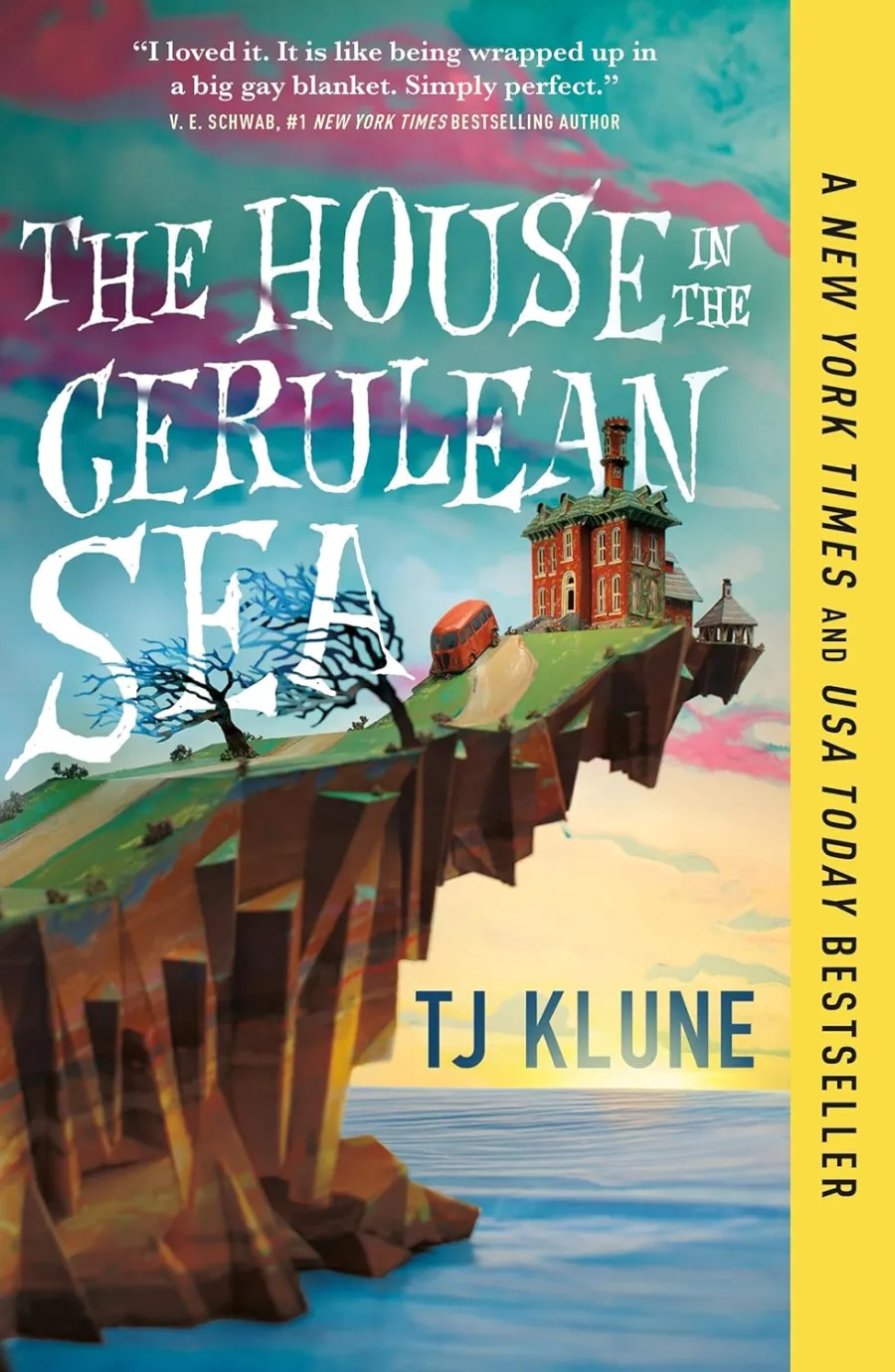
Download Cover Image
Do you want to download the full cover image for House in the Cerulean Sea (Cerulean Chronicles, 1)?