
Everyday Eats: 100 Simple and Healthy Recipes for Real Life
Hardcover
• 272 Pages
• USD 36.00
• English
• 9780063425736
No ratings yet
| Publisher | William Morrow Cookbooks |
|---|---|
| ISBN13 | 9780063425736 |
| ASIN/SKU | 0063425734 |
| Book Format | Hardcover |
| Language | English |
| Pages | 272 |
| List Price | USD 36.00 |
| Publishing Date | 25/08/2026 |
| Dimensions | 7.94 x 0.86 x 10 inches |
| Weight | 1 pounds |
| Book Code | BD00056050 |
Buy this Book
Amazon Stores
Ebook Stores
Other Stores
Discover Everyday Eats: 100 Simple and Healthy Recipes for Real Life by Alex Snodgrass. This book is published by William Morrow Cookbooks in Hardcover format, ISBN 9780063425736, ASIN 0063425734, under Cookbooks, Food and Wine, Organic Cooking, Comfort Food Cooking.
Book Description
New York Times bestselling author and queen of easy, healthy meals Alex Snodgrass shares 100 delicious, low-stress meals. Short ingredient lists, a focus on pantry staples, and minimal pans to wash make these recipes a breeze!
Alex Snodgrass is the go-to source if you’re craving an easy, healthy, and delicious meal—she’s shared hundreds of those recipes on her award-winning blog, The Defined Dish, and in her three bestselling cookbooks. After more than a decade of sharing recipes, Alex has gotten one clear message from readers: the easier the recipe, the better.
Everyday Eats is Alex’s most relaxed and approachable collection of recipes yet, focused on giving readers exactly what they need—less stress, less mess, and meals that leave the whole family feeling nourished and satisfied.
Everyday Eats is filled with 100 recipes that pack a flavorful punch while utilizing fewer ingredients and making the most of your time in the kitchen. From simple make-ahead breakfasts to filling and flavorful salads and all the weeknight dinners you could ever want, the recipes include:
Freezer-Friendly Mediterranean Breakfast Sandwiches, a healthy make-ahead breakfast for mornings on the go
Steak Street Taco Salad with Salsa Verde Vinaigrette, for a simple and hearty lunch or dinner
Skillet Baked Ziti with Sausage and Ricotta, the perfect easy meal for a cozy night at home
Skillet French Onion Chicken with Mushrooms, an easy way to feed a family
Chipotle Honey Butter Sheet Pan Salmon, a protein-packed dinner with minimal mess
Easy No-Bake Crunchy Peanut Butter Bites, to satisfy your sweet tooth any time of day
Readers and devoted fans crave simple meals that can be made in one skillet, on one sheet pan, and with ingredients they already have. Everyday Eats is about wholesome, flexible cooking to bring your family to the table for every meal of the day.
Alex Snodgrass is the go-to source if you’re craving an easy, healthy, and delicious meal—she’s shared hundreds of those recipes on her award-winning blog, The Defined Dish, and in her three bestselling cookbooks. After more than a decade of sharing recipes, Alex has gotten one clear message from readers: the easier the recipe, the better.
Everyday Eats is Alex’s most relaxed and approachable collection of recipes yet, focused on giving readers exactly what they need—less stress, less mess, and meals that leave the whole family feeling nourished and satisfied.
Everyday Eats is filled with 100 recipes that pack a flavorful punch while utilizing fewer ingredients and making the most of your time in the kitchen. From simple make-ahead breakfasts to filling and flavorful salads and all the weeknight dinners you could ever want, the recipes include:
Freezer-Friendly Mediterranean Breakfast Sandwiches, a healthy make-ahead breakfast for mornings on the go
Steak Street Taco Salad with Salsa Verde Vinaigrette, for a simple and hearty lunch or dinner
Skillet Baked Ziti with Sausage and Ricotta, the perfect easy meal for a cozy night at home
Skillet French Onion Chicken with Mushrooms, an easy way to feed a family
Chipotle Honey Butter Sheet Pan Salmon, a protein-packed dinner with minimal mess
Easy No-Bake Crunchy Peanut Butter Bites, to satisfy your sweet tooth any time of day
Readers and devoted fans crave simple meals that can be made in one skillet, on one sheet pan, and with ingredients they already have. Everyday Eats is about wholesome, flexible cooking to bring your family to the table for every meal of the day.
Author Biography
Alex Snodgrass is a food lover, health enthusiast, and founder of the popular blog and social media outlet The Defined Dish. She is a recipe developer and food stylist from Dallas, where she lives with her husband and two young daughters. She is a master at substituting clean ingredients to create bold flavors in the kitchen and her recipes are perfect for any level of home cook. In 2018, Alex won the "Most Inspired Weeknight Dinners" Saveur Blog Award, and she continues to share her love for creating special moments around the dinner table.
Editorial Reviews
“Everyday Eats is a cookbook made for real life, where simple food still tastes great. Alex understands how people want to eat and delivers recipes that are straightforward, flavorful, and reliable. This is the kind of book you’ll cook from again and again, not just admire.” - Arash Hashemi, New York Times bestselling author of Shred Happens: So Easy, So Good
“Everyday Eats captures the heart of home cooking, blending practicality and irresistible flavor into recipes that bring people together, even on the busiest days.” - Carolina Gelen, New York Times bestselling author of Pass the Plate: 100 Delicious, Highly Shareable, Everyday Recipes
“Everyday Eats captures the heart of home cooking, blending practicality and irresistible flavor into recipes that bring people together, even on the busiest days.” - Carolina Gelen, New York Times bestselling author of Pass the Plate: 100 Delicious, Highly Shareable, Everyday Recipes
Book Summary
Alex Snodgrass’s Everyday Eats: 100 Simple and Healthy Recipes for Real Life is a cookbook built around a refreshingly practical idea: eating well should fit into ordinary life rather than requiring an extraordinary amount of time, money, planning, or culinary skill. Published by HarperCollins in August 2026, the 256-page cookbook is Snodgrass’s fourth book in the Defined Dish series and brings together 100 recipes designed to make healthy home cooking easier, faster, and less stressful. Its central promise is not gourmet perfection or complicated nutrition rules, but dependable food that real people can actually prepare on busy mornings and weeknights.
The philosophy behind Everyday Eats grows naturally from Alex Snodgrass’s years of developing recipes for her popular food platform, The Defined Dish. After more than a decade of hearing from readers, Snodgrass recognized a simple truth: when people are busy, the recipes they return to are usually the ones that ask the least from them without sacrificing flavor. This observation shapes the entire book. Rather than presenting healthy cooking as a demanding project, Snodgrass treats it as something that should become part of the rhythm of everyday life. The result is a collection aimed at home cooks who want nutritious meals but may not have the time or energy to spend an hour chopping ingredients, using several pots and pans, or searching for obscure products at the grocery store.
One of the strongest themes in Everyday Eats is simplicity without blandness. Snodgrass does not equate healthy food with plain food. Instead, the recipes are designed to create strong flavor from relatively short ingredient lists, pantry staples, fresh produce, herbs, sauces, spices, and familiar proteins. The cookbook emphasizes meals that are flavorful enough to satisfy the whole household while remaining accessible to cooks of different experience levels. This makes Everyday Eats particularly relevant for readers searching for easy healthy recipes, quick family meals, simple weeknight dinners, nutritious meal ideas, and realistic healthy cooking for busy schedules. The book's appeal comes from understanding that convenience is not a luxury for most home cooks; it is often the difference between cooking at home and giving up altogether.
The cookbook also broadens the meaning of an “everyday meal.” Snodgrass deliberately structures the collection around the entire day rather than concentrating only on dinner. For the first time in her cookbook series, she includes breakfast recipes, allowing readers to move from the first meal of the day through lunch, dinner, and even an after-dinner treat. This makes the book feel more like a practical household cooking companion than a collection reserved for special occasions. The breakfast offerings include make-ahead options such as Freezer-Friendly Mediterranean Breakfast Sandwiches, demonstrating the book's interest in preparing food in ways that make future mornings easier.
The idea of preparation is important throughout the book. Everyday Eats recognizes that healthy eating becomes much more achievable when some of the work can happen before hunger and exhaustion arrive. Make-ahead breakfasts, freezer-friendly foods, adaptable ingredients, and recipes designed around familiar kitchen staples all help reduce the friction between wanting to eat well and actually doing it. The book therefore has an implicit meal-planning philosophy: prepare intelligently, cook efficiently, and create food that can work around the unpredictable schedule of real life. This is especially useful for parents, working professionals, couples, and families who need recipes that can survive changing schedules rather than recipes that assume a perfectly organized kitchen.
Lunch receives the same practical treatment. Rather than relying exclusively on salads that leave the eater hungry shortly afterward, Snodgrass includes hearty, flavorful combinations intended to function as genuinely satisfying meals. The Steak Street Taco Salad with Salsa Verde Vinaigrette, for example, combines the familiarity and bold flavors of tacos with the format of a substantial salad. The concept illustrates a recurring strength of the cookbook: recognizable comfort-food ideas are reshaped into practical meals without losing their appeal. Instead of asking readers to abandon the foods they love in the name of health, Snodgrass looks for ways to make those foods more balanced, efficient, and suitable for everyday cooking.
Dinner is where the philosophy of Everyday Eats becomes particularly clear. The collection features numerous recipes built around one skillet, one sheet pan, or a single cooking vessel. That approach matters because the difficulty of a recipe is not determined only by how complicated the cooking instructions are. Cleanup can be just as discouraging as preparation. By reducing the number of pans and utensils required, Snodgrass addresses one of the most common hidden costs of home cooking: the mess left behind. The cookbook consequently targets a very specific search need—healthy dinners that are easy to make and easy to clean up.
The Skillet Baked Ziti with Sausage and Ricotta is a good example of this approach. Baked pasta is familiar comfort food, but preparing it traditionally can involve several stages and dishes. A skillet-centered version simplifies the process while retaining the cozy qualities people want from the meal. Similarly, Skillet French Onion Chicken with Mushrooms takes the rich, savory character associated with French onion flavors and turns it into a family-friendly chicken dinner. These recipes demonstrate that convenience does not necessarily require sacrificing the emotional satisfaction of comfort food.
The same philosophy appears in the Chipotle Honey Butter Sheet Pan Salmon. Salmon already offers a straightforward way to build a protein-rich meal, but a sheet-pan preparation makes the process even more convenient by concentrating the cooking on a single surface. The combination of chipotle, honey, and butter also shows Snodgrass’s emphasis on flavor contrast: smoky heat, sweetness, richness, and savory depth can make a simple protein feel exciting. The recipe is representative of the broader goal of Everyday Eats: transform relatively uncomplicated ingredients into meals that feel more special than the effort required to prepare them.
Another important quality of the cookbook is flexibility. Snodgrass presents food as something that should adapt to households rather than forcing households to adapt rigidly to recipes. This is reflected in the book's emphasis on wholesome, flexible cooking and meals that can bring families together. The recipes are designed to be approachable enough for regular rotation, meaning readers can return to them repeatedly rather than treating them as one-time culinary projects. This makes the book particularly useful for anyone looking for a healthy family cookbook, easy meal-prep cookbook, quick dinner cookbook, or practical recipe collection for busy households.
The book's health philosophy is also notably approachable. Everyday Eats does not appear to frame healthy eating as a rigid diet or an exercise in deprivation. Instead, its focus is on wholesome ingredients, balanced meals, satisfying portions, and cooking methods that make nutritious choices convenient. This distinction is important. A healthy recipe that requires specialty ingredients and elaborate preparation may be technically nutritious but practically useless to someone who arrives home tired after work. Snodgrass's approach recognizes that sustainability matters: a style of eating is more likely to last when the food tastes good and the preparation is manageable.
That emphasis on sustainability connects Everyday Eats to Snodgrass's broader cooking philosophy. Her earlier books have focused on helping readers eat well without becoming professional cooks, and her new collection pushes that concept even further toward accessibility. Her official cookbook description emphasizes that readers do not need to be experts or spend hours in the kitchen to eat and live well. Everyday Eats therefore feels less like a set of culinary commandments and more like an invitation to build a reliable repertoire of meals.
Desserts and snacks are not ignored, either. The inclusion of Easy No-Bake Crunchy Peanut Butter Bites reflects the book's broader understanding that real eating includes cravings and small treats. A sustainable approach to healthy cooking cannot reasonably assume that people will never want something sweet. Instead, the cookbook provides simpler options that can satisfy that desire without turning dessert into an elaborate production. This makes the collection feel human rather than overly restrictive.
Perhaps the most valuable lesson of Everyday Eats is that healthy cooking is ultimately a problem of systems as much as recipes. Having dependable pantry ingredients, knowing a handful of efficient cooking techniques, preparing food ahead of time, minimizing cleanup, and keeping several versatile recipes in rotation can dramatically reduce the daily burden of deciding what to eat. The cookbook encourages this kind of practical confidence. It gives readers tools for building habits rather than merely supplying isolated dishes.
For readers searching for the best easy healthy cookbook, simple family recipes, healthy weeknight dinner ideas, quick and nutritious meals, one-pan recipes, meal-prep-friendly breakfasts, or approachable recipes for busy families, Everyday Eats is particularly well positioned. Its greatest strength is that it understands the gap between aspirational cooking and real-life cooking. People may want to eat wholesome meals, but they also have work, children, errands, fatigue, limited time, limited kitchen space, and dishes waiting in the sink. Snodgrass writes recipes for that reality.
Ultimately, Everyday Eats: 100 Simple and Healthy Recipes for Real Life is less about culinary spectacle than dependable nourishment. Its recipes are intended to be cooked repeatedly, adapted to different schedules, shared with family, and incorporated into ordinary routines. The book's combination of short ingredient lists, pantry-friendly cooking, one-pan techniques, make-ahead ideas, satisfying flavors, and approachable preparation creates a practical framework for eating well without making food another source of stress.
In that sense, the title captures the book perfectly. These are not recipes designed only for holidays, dinner parties, or weekends when there is plenty of time to experiment. They are recipes for Monday mornings, rushed lunches, busy Tuesday evenings, relaxed family dinners, and the small moments when you simply want something good to eat. Alex Snodgrass's central message is reassuring: healthy food does not have to be complicated, expensive, restrictive, or intimidating. With the right recipes and a practical approach, cooking well can become an ordinary part of life. That is the real appeal of Everyday Eats—it turns healthy home cooking from an ideal to strive toward into something that can actually happen, meal after meal.
The philosophy behind Everyday Eats grows naturally from Alex Snodgrass’s years of developing recipes for her popular food platform, The Defined Dish. After more than a decade of hearing from readers, Snodgrass recognized a simple truth: when people are busy, the recipes they return to are usually the ones that ask the least from them without sacrificing flavor. This observation shapes the entire book. Rather than presenting healthy cooking as a demanding project, Snodgrass treats it as something that should become part of the rhythm of everyday life. The result is a collection aimed at home cooks who want nutritious meals but may not have the time or energy to spend an hour chopping ingredients, using several pots and pans, or searching for obscure products at the grocery store.
One of the strongest themes in Everyday Eats is simplicity without blandness. Snodgrass does not equate healthy food with plain food. Instead, the recipes are designed to create strong flavor from relatively short ingredient lists, pantry staples, fresh produce, herbs, sauces, spices, and familiar proteins. The cookbook emphasizes meals that are flavorful enough to satisfy the whole household while remaining accessible to cooks of different experience levels. This makes Everyday Eats particularly relevant for readers searching for easy healthy recipes, quick family meals, simple weeknight dinners, nutritious meal ideas, and realistic healthy cooking for busy schedules. The book's appeal comes from understanding that convenience is not a luxury for most home cooks; it is often the difference between cooking at home and giving up altogether.
The cookbook also broadens the meaning of an “everyday meal.” Snodgrass deliberately structures the collection around the entire day rather than concentrating only on dinner. For the first time in her cookbook series, she includes breakfast recipes, allowing readers to move from the first meal of the day through lunch, dinner, and even an after-dinner treat. This makes the book feel more like a practical household cooking companion than a collection reserved for special occasions. The breakfast offerings include make-ahead options such as Freezer-Friendly Mediterranean Breakfast Sandwiches, demonstrating the book's interest in preparing food in ways that make future mornings easier.
The idea of preparation is important throughout the book. Everyday Eats recognizes that healthy eating becomes much more achievable when some of the work can happen before hunger and exhaustion arrive. Make-ahead breakfasts, freezer-friendly foods, adaptable ingredients, and recipes designed around familiar kitchen staples all help reduce the friction between wanting to eat well and actually doing it. The book therefore has an implicit meal-planning philosophy: prepare intelligently, cook efficiently, and create food that can work around the unpredictable schedule of real life. This is especially useful for parents, working professionals, couples, and families who need recipes that can survive changing schedules rather than recipes that assume a perfectly organized kitchen.
Lunch receives the same practical treatment. Rather than relying exclusively on salads that leave the eater hungry shortly afterward, Snodgrass includes hearty, flavorful combinations intended to function as genuinely satisfying meals. The Steak Street Taco Salad with Salsa Verde Vinaigrette, for example, combines the familiarity and bold flavors of tacos with the format of a substantial salad. The concept illustrates a recurring strength of the cookbook: recognizable comfort-food ideas are reshaped into practical meals without losing their appeal. Instead of asking readers to abandon the foods they love in the name of health, Snodgrass looks for ways to make those foods more balanced, efficient, and suitable for everyday cooking.
Dinner is where the philosophy of Everyday Eats becomes particularly clear. The collection features numerous recipes built around one skillet, one sheet pan, or a single cooking vessel. That approach matters because the difficulty of a recipe is not determined only by how complicated the cooking instructions are. Cleanup can be just as discouraging as preparation. By reducing the number of pans and utensils required, Snodgrass addresses one of the most common hidden costs of home cooking: the mess left behind. The cookbook consequently targets a very specific search need—healthy dinners that are easy to make and easy to clean up.
The Skillet Baked Ziti with Sausage and Ricotta is a good example of this approach. Baked pasta is familiar comfort food, but preparing it traditionally can involve several stages and dishes. A skillet-centered version simplifies the process while retaining the cozy qualities people want from the meal. Similarly, Skillet French Onion Chicken with Mushrooms takes the rich, savory character associated with French onion flavors and turns it into a family-friendly chicken dinner. These recipes demonstrate that convenience does not necessarily require sacrificing the emotional satisfaction of comfort food.
The same philosophy appears in the Chipotle Honey Butter Sheet Pan Salmon. Salmon already offers a straightforward way to build a protein-rich meal, but a sheet-pan preparation makes the process even more convenient by concentrating the cooking on a single surface. The combination of chipotle, honey, and butter also shows Snodgrass’s emphasis on flavor contrast: smoky heat, sweetness, richness, and savory depth can make a simple protein feel exciting. The recipe is representative of the broader goal of Everyday Eats: transform relatively uncomplicated ingredients into meals that feel more special than the effort required to prepare them.
Another important quality of the cookbook is flexibility. Snodgrass presents food as something that should adapt to households rather than forcing households to adapt rigidly to recipes. This is reflected in the book's emphasis on wholesome, flexible cooking and meals that can bring families together. The recipes are designed to be approachable enough for regular rotation, meaning readers can return to them repeatedly rather than treating them as one-time culinary projects. This makes the book particularly useful for anyone looking for a healthy family cookbook, easy meal-prep cookbook, quick dinner cookbook, or practical recipe collection for busy households.
The book's health philosophy is also notably approachable. Everyday Eats does not appear to frame healthy eating as a rigid diet or an exercise in deprivation. Instead, its focus is on wholesome ingredients, balanced meals, satisfying portions, and cooking methods that make nutritious choices convenient. This distinction is important. A healthy recipe that requires specialty ingredients and elaborate preparation may be technically nutritious but practically useless to someone who arrives home tired after work. Snodgrass's approach recognizes that sustainability matters: a style of eating is more likely to last when the food tastes good and the preparation is manageable.
That emphasis on sustainability connects Everyday Eats to Snodgrass's broader cooking philosophy. Her earlier books have focused on helping readers eat well without becoming professional cooks, and her new collection pushes that concept even further toward accessibility. Her official cookbook description emphasizes that readers do not need to be experts or spend hours in the kitchen to eat and live well. Everyday Eats therefore feels less like a set of culinary commandments and more like an invitation to build a reliable repertoire of meals.
Desserts and snacks are not ignored, either. The inclusion of Easy No-Bake Crunchy Peanut Butter Bites reflects the book's broader understanding that real eating includes cravings and small treats. A sustainable approach to healthy cooking cannot reasonably assume that people will never want something sweet. Instead, the cookbook provides simpler options that can satisfy that desire without turning dessert into an elaborate production. This makes the collection feel human rather than overly restrictive.
Perhaps the most valuable lesson of Everyday Eats is that healthy cooking is ultimately a problem of systems as much as recipes. Having dependable pantry ingredients, knowing a handful of efficient cooking techniques, preparing food ahead of time, minimizing cleanup, and keeping several versatile recipes in rotation can dramatically reduce the daily burden of deciding what to eat. The cookbook encourages this kind of practical confidence. It gives readers tools for building habits rather than merely supplying isolated dishes.
For readers searching for the best easy healthy cookbook, simple family recipes, healthy weeknight dinner ideas, quick and nutritious meals, one-pan recipes, meal-prep-friendly breakfasts, or approachable recipes for busy families, Everyday Eats is particularly well positioned. Its greatest strength is that it understands the gap between aspirational cooking and real-life cooking. People may want to eat wholesome meals, but they also have work, children, errands, fatigue, limited time, limited kitchen space, and dishes waiting in the sink. Snodgrass writes recipes for that reality.
Ultimately, Everyday Eats: 100 Simple and Healthy Recipes for Real Life is less about culinary spectacle than dependable nourishment. Its recipes are intended to be cooked repeatedly, adapted to different schedules, shared with family, and incorporated into ordinary routines. The book's combination of short ingredient lists, pantry-friendly cooking, one-pan techniques, make-ahead ideas, satisfying flavors, and approachable preparation creates a practical framework for eating well without making food another source of stress.
In that sense, the title captures the book perfectly. These are not recipes designed only for holidays, dinner parties, or weekends when there is plenty of time to experiment. They are recipes for Monday mornings, rushed lunches, busy Tuesday evenings, relaxed family dinners, and the small moments when you simply want something good to eat. Alex Snodgrass's central message is reassuring: healthy food does not have to be complicated, expensive, restrictive, or intimidating. With the right recipes and a practical approach, cooking well can become an ordinary part of life. That is the real appeal of Everyday Eats—it turns healthy home cooking from an ideal to strive toward into something that can actually happen, meal after meal.
Sample Chapters
Sample Chapters will be added soon…
Reader Reviews
No reviews yet.
Everyday Eats: 100 Simple and Healthy Recipes for Real Life
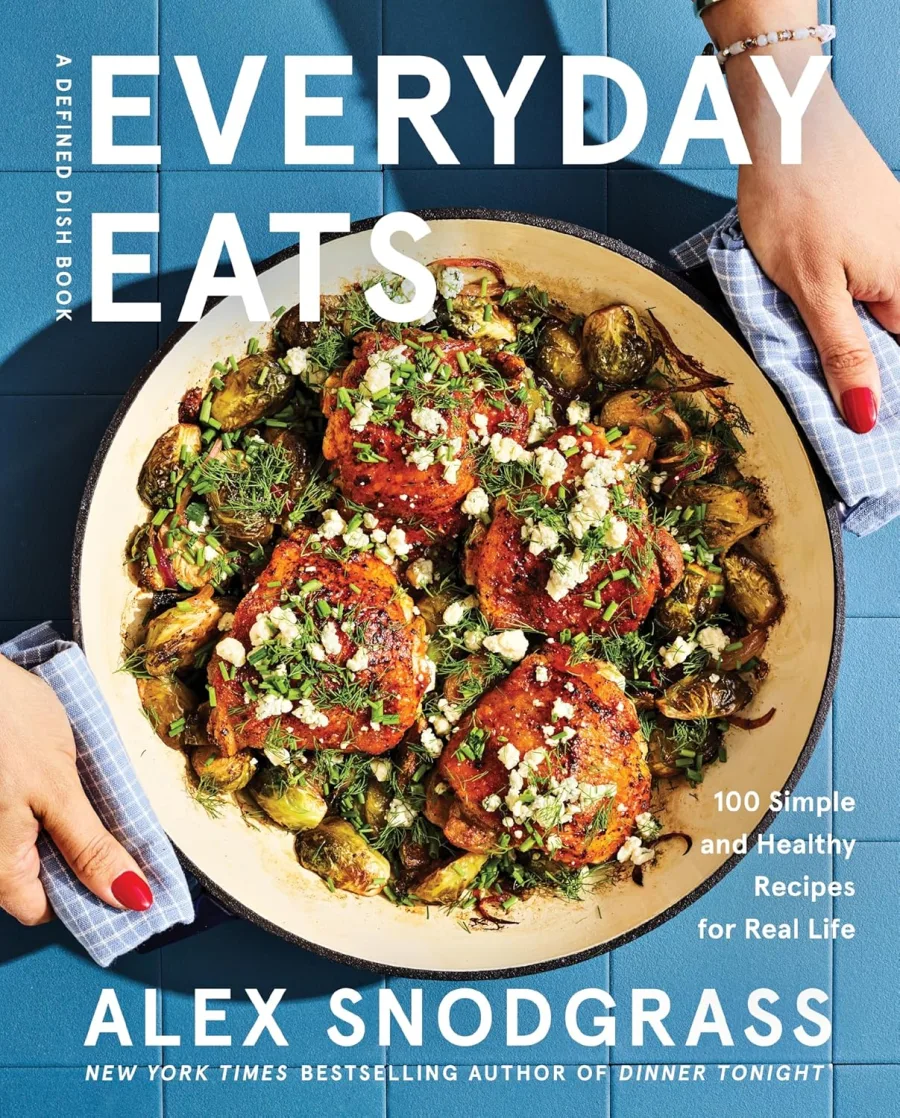
Download Cover Image
Do you want to download the full cover image for Everyday Eats: 100 Simple and Healthy Recipes for Real Life?