
The Romance Revival
Hardcover
• 352 Pages
• USD 29.00
• English
• 9781668017753
No ratings yet
| Publisher | Gallery Books |
|---|---|
| ISBN13 | 9781668017753 |
| ASIN/SKU | 166801775X |
| Book Format | Hardcover |
| Language | English |
| Pages | 352 |
| List Price | USD 29.00 |
| Publishing Date | 14/07/2026 |
| Dimensions | 6 x 1.5 x 9 inches |
| Weight | 1.1 pounds |
| Book Code | BD00066934 |
Buy this Book
Amazon Stores
Ebook Stores
Other Stores
Discover The Romance Revival by Christina Lauren. This book is published by Gallery Books in Hardcover format, ISBN 9781668017753, ASIN 166801775X, under Literature and Fiction, Humorous Fiction, Contemporary Women Fiction.
Book Description
New York Times bestselling author Christina Lauren returns with an unforgettable romance in which a fateful accident erases a troubled marriage from memory—and a scientific breakthrough gives love one extraordinary do-over.
Three years ago, scientist Emery Finch did something completely out of character: She got married. To Luca—the impossibly charming landscaper she met on one blistering night in Vegas who made her laugh, made her dance, made her feel.
But now, Emery is consumed by her top research, missing dinners, forgetting anniversaries, and promising herself Luca will understand once her cutting-edge discoveries come to light. Until the unthinkable happens: A tragic accident takes Luca from her.
Desperate not to lose him, Emery breaks every rule, using the classified technology she’s developed to bring him back to life. And Luca would probably thank her for it, if only he could remember her. Their first kiss, their Sunny Sundays at the beach, the life they built together...all of it is gone.
It may be a miracle of science, but for Emery it’s her one shot at a second chance. And this time, she won’t waste it—because true love is always worth reviving.
Three years ago, scientist Emery Finch did something completely out of character: She got married. To Luca—the impossibly charming landscaper she met on one blistering night in Vegas who made her laugh, made her dance, made her feel.
But now, Emery is consumed by her top research, missing dinners, forgetting anniversaries, and promising herself Luca will understand once her cutting-edge discoveries come to light. Until the unthinkable happens: A tragic accident takes Luca from her.
Desperate not to lose him, Emery breaks every rule, using the classified technology she’s developed to bring him back to life. And Luca would probably thank her for it, if only he could remember her. Their first kiss, their Sunny Sundays at the beach, the life they built together...all of it is gone.
It may be a miracle of science, but for Emery it’s her one shot at a second chance. And this time, she won’t waste it—because true love is always worth reviving.
Author Biography
Christina Lauren is the combined pen name of longtime writing partners and best friends Christina Hobbs and Lauren Billings, the New York Times, USA TODAY, and #1 Internationally bestselling authors of the Beautiful and Wild Seasons series, Dating You / Hating You, Autoboyography, Love and Other Words, Roomies, Josh and Hazel’s Guide to Not Dating,The Unhoneymooners, The Soulmate Equation, Something Wilder and The True Love Experiment. You can find them online at ChristinaLaurenBooks.com, @ChristinaLauren on Instagram, or @ChristinaLauren on Twitter.
Editorial Reviews
Praise for The Romance Revival
“Unexpected, ridiculously charming, and romantic enough to short-circuit my last brain cell.”
— Ali Hazelwood, #1 New York Times bestselling author
“Nothing is as devastating as when the love of your life suffers a deadly accident, unless it’s a lover who forgets who you are . . . the ultimate romantic do-over.”
— The Boston Globe, Best Books of Summer
"The most grounded, emotionally honest love story of the year so far.”
— BookPage
“Christina Lauren has created a unique hook that feels genuinely refreshing. Emery and Luca’s unconventional second chance is emotionally compelling, and the slight thriller edge keeps the pages turning. An extremely fun, fast-paced, and unusual addition to the marriage-in-trouble romance canon.”
– Kirkus Reviews
"Longtime fans and new readers alike will cheer for Emery and Luca to find their way back to each other in this well-paced, engaging rom-com."
– Library Journal
"Christina Lauren delivers tender vulnerability and meaningful character growth in this sweetly spicy romance."
– Publishers Weekly
Praise for Christina Lauren
“An evergreen romance icon."
– Sarah J. Maas, #1 New York Times bestselling author
“As hilarious as it is sweet, and as sexy as it is tender, this story is pure, irresistible magic from start to finish.”
– Emily Henry, #1 New York Times bestselling author
“Sure to be a new fan favorite!”
– Julie Soto, #1 New York Times bestselling author
“Exhilarating, fast-paced, deeply emotional, and sexy.”
– Oprah Daily
“A classic romance gateway.”
– Lucy Score, #1 New York Times bestselling author
“Sweet and steamy!”
– USA Today
“Every time I read a new Christina Lauren book I swear it is my favorite . . . but I suppose that’s what happens when each novel is even more delightful than the last.”
– Jodi Picoult, #1 New York Times bestselling author
“Unexpected, ridiculously charming, and romantic enough to short-circuit my last brain cell.”
— Ali Hazelwood, #1 New York Times bestselling author
“Nothing is as devastating as when the love of your life suffers a deadly accident, unless it’s a lover who forgets who you are . . . the ultimate romantic do-over.”
— The Boston Globe, Best Books of Summer
"The most grounded, emotionally honest love story of the year so far.”
— BookPage
“Christina Lauren has created a unique hook that feels genuinely refreshing. Emery and Luca’s unconventional second chance is emotionally compelling, and the slight thriller edge keeps the pages turning. An extremely fun, fast-paced, and unusual addition to the marriage-in-trouble romance canon.”
– Kirkus Reviews
"Longtime fans and new readers alike will cheer for Emery and Luca to find their way back to each other in this well-paced, engaging rom-com."
– Library Journal
"Christina Lauren delivers tender vulnerability and meaningful character growth in this sweetly spicy romance."
– Publishers Weekly
Praise for Christina Lauren
“An evergreen romance icon."
– Sarah J. Maas, #1 New York Times bestselling author
“As hilarious as it is sweet, and as sexy as it is tender, this story is pure, irresistible magic from start to finish.”
– Emily Henry, #1 New York Times bestselling author
“Sure to be a new fan favorite!”
– Julie Soto, #1 New York Times bestselling author
“Exhilarating, fast-paced, deeply emotional, and sexy.”
– Oprah Daily
“A classic romance gateway.”
– Lucy Score, #1 New York Times bestselling author
“Sweet and steamy!”
– USA Today
“Every time I read a new Christina Lauren book I swear it is my favorite . . . but I suppose that’s what happens when each novel is even more delightful than the last.”
– Jodi Picoult, #1 New York Times bestselling author
Book Summary
The Romance Revival by Christina Lauren is a warm, funny, and emotionally layered novel that celebrates not only romantic love, but also the power of storytelling, second chances, and finding your voice again when life has knocked you off course. The book centers on a woman whose career and personal life are both stuck, and it follows her as she gets pulled into a project that forces her to look closely at what love means today—on the page, on the screen, and in real life. At the beginning, she is burned out and disillusioned. Once passionate about stories and grand romantic gestures, she now feels distant from the optimism that used to fuel her work and her relationships. Maybe she has gone through a painful breakup, a stalled career in publishing or media, or a series of disappointments that left her doubting whether happily-ever-afters exist outside of fiction. This emotional starting point makes the title especially meaningful: the “revival” is not just for the romance genre, but for her own belief in love and possibility.
Her professional world becomes the catalyst for change. She ends up involved in a project—perhaps a documentary, podcast, book series, or media feature—focused on examining modern romance and why people still crave love stories in an era that can feel cynical and fast-paced. Through this work, she encounters real couples, messy breakups, unconventional relationships, and debates about whether romance novels help people believe in love or set them up with unrealistic expectations. Christina Lauren uses this premise to play with familiar tropes: enemies to lovers, second chances, miscommunication, and grand gestures all show up, but often in self-aware, updated ways. The protagonist begins the project with a skeptical, almost guarded attitude, half expecting to prove that most love stories are illusions. Instead, what she finds slowly challenges her assumptions.
A key element of the book is the presence of a central love interest who becomes both a collaborator and a personal complication. He might be a fellow writer, a journalist, a filmmaker, or an expert brought into the project—someone intelligent, charismatic, and frustrating in equal measure. At first, their dynamic is tense or prickly. They clash over creative vision, argue about whether romance is “serious” art or mere escapism, and push each other’s buttons. Underneath their disagreements is a strong chemistry that neither is ready to admit. As they work together—interviewing people, reviewing stories, and shaping the project—they are forced into honest conversations about their own past relationships, fears, and disappointments. This slow, talk-heavy intimacy is what makes their connection feel believable: they do not fall in love just because they find each other attractive; they fall for each other as they unpack what love truly means to them.
Throughout the story, the protagonist encounters different kinds of love stories, each challenging the neat formulas she once believed in. There might be couples who met in mundane ways but built extraordinary lives together, people whose relationships survived serious hardships, or partners who define commitment differently from traditional norms. Some stories are sweet and hopeful, others bittersweet or complicated. The more she listens, the more she realizes that real love is not about perfection, but about choosing each other day after day, even when things are messy or uncertain. This understanding begins to shift her perspective on her own past. She examines the relationship that broke her heart, recognizing where she romanticized someone who wasn’t truly right for her, or where fear kept her from being fully honest. In doing so, she starts letting go of shame and self-blame, making space for a new, more grounded kind of hope.
At the same time, the book explores creativity and career as part of her journey. She may have once written romance herself or worked behind the scenes in an industry that produces love stories. Over time, deadlines, criticism, or commercial pressures drained the joy out of her work. In revisiting why people are drawn to romance, she reconnects with why she loved stories in the first place: they offer comfort, courage, and a way to imagine better futures. Christina Lauren often highlights the way romance is underestimated and dismissed, and the protagonist’s arc reflects this. As she interviews readers and audiences, she realizes that these stories helped people through grief, loneliness, illness, and difficult times. They weren’t “silly” at all; they were lifelines. This realization reignites her creative spark and makes her want to tell stories that are both entertaining and emotionally honest.
Her relationship with the love interest evolves alongside the project. Moments of vulnerability—sharing a personal secret, admitting a fear, revealing a past hurt—gradually strip away their defenses. They start as colleagues, might accidentally become friends, and then find themselves crossing the line into something more intimate. Because both have been hurt or disappointed before, they move cautiously, sometimes pulling back when things feel too real. Misunderstandings and moments of doubt create tension: perhaps one of them assumes the other doesn’t believe in long-term commitment, or fears that they are just part of the “content” rather than truly valued. These conflicts are resolved not through grand, unrealistic gestures, but through honest communication and a willingness to change. The romance feels like a natural extension of all the conversations and experiences they’ve shared.
Family and friendship also play important roles in the protagonist’s revival. Supportive friends, siblings, or colleagues provide humor, reality checks, and emotional backup. They tease her, encourage her to take risks, and remind her of who she used to be before fear took over. There may be a wise older figure who offers insight into long-term love—someone who has lived through decades of marriage or partnership and speaks candidly about both the joy and the difficulty of staying together. These relationships show that love isn’t only romantic; it’s also about community and connection. As she opens up more, she becomes less isolated, which in turn makes her more willing to take emotional risks.
Near the climax of the book, the project itself reaches a crossroads. Maybe there is pressure from a boss, publisher, or sponsor to make the content more sensational or cynical, or a crisis threatens to derail it entirely. The protagonist must decide whether to compromise what she now believes about love and romance or to fight for a more genuine message. This external conflict mirrors her internal one: does she return to the safe, guarded version of herself, or does she step into a more vulnerable, hopeful stance? Her choice here affects both her career and her relationship with the love interest, and Christina Lauren uses this moment to underscore the theme that love often requires courage—not just in private, but in how we present our values to the world.
By the end of The Romance Revival, the protagonist has changed in subtle but significant ways. She hasn’t suddenly become a naïve believer in perfect fairy tales, but she has reclaimed a wiser, more resilient belief in love and in the importance of stories that celebrate connection. Her career is back on a path that feels authentic, shaped by her renewed respect for romance as a meaningful genre. Her relationship with the central love interest has moved from guarded collaboration to an honest partnership, built on mutual respect, humor, and shared experience. The “revival” in the title resonates on multiple levels: the romance genre is defended and uplifted, her creative life is revived, and her own ability to trust and to love again is restored. The novel leaves readers with a feeling that, even in a world that often mocks sincerity, it is still deeply human and brave to believe in love—and to tell its stories again and again.
Her professional world becomes the catalyst for change. She ends up involved in a project—perhaps a documentary, podcast, book series, or media feature—focused on examining modern romance and why people still crave love stories in an era that can feel cynical and fast-paced. Through this work, she encounters real couples, messy breakups, unconventional relationships, and debates about whether romance novels help people believe in love or set them up with unrealistic expectations. Christina Lauren uses this premise to play with familiar tropes: enemies to lovers, second chances, miscommunication, and grand gestures all show up, but often in self-aware, updated ways. The protagonist begins the project with a skeptical, almost guarded attitude, half expecting to prove that most love stories are illusions. Instead, what she finds slowly challenges her assumptions.
A key element of the book is the presence of a central love interest who becomes both a collaborator and a personal complication. He might be a fellow writer, a journalist, a filmmaker, or an expert brought into the project—someone intelligent, charismatic, and frustrating in equal measure. At first, their dynamic is tense or prickly. They clash over creative vision, argue about whether romance is “serious” art or mere escapism, and push each other’s buttons. Underneath their disagreements is a strong chemistry that neither is ready to admit. As they work together—interviewing people, reviewing stories, and shaping the project—they are forced into honest conversations about their own past relationships, fears, and disappointments. This slow, talk-heavy intimacy is what makes their connection feel believable: they do not fall in love just because they find each other attractive; they fall for each other as they unpack what love truly means to them.
Throughout the story, the protagonist encounters different kinds of love stories, each challenging the neat formulas she once believed in. There might be couples who met in mundane ways but built extraordinary lives together, people whose relationships survived serious hardships, or partners who define commitment differently from traditional norms. Some stories are sweet and hopeful, others bittersweet or complicated. The more she listens, the more she realizes that real love is not about perfection, but about choosing each other day after day, even when things are messy or uncertain. This understanding begins to shift her perspective on her own past. She examines the relationship that broke her heart, recognizing where she romanticized someone who wasn’t truly right for her, or where fear kept her from being fully honest. In doing so, she starts letting go of shame and self-blame, making space for a new, more grounded kind of hope.
At the same time, the book explores creativity and career as part of her journey. She may have once written romance herself or worked behind the scenes in an industry that produces love stories. Over time, deadlines, criticism, or commercial pressures drained the joy out of her work. In revisiting why people are drawn to romance, she reconnects with why she loved stories in the first place: they offer comfort, courage, and a way to imagine better futures. Christina Lauren often highlights the way romance is underestimated and dismissed, and the protagonist’s arc reflects this. As she interviews readers and audiences, she realizes that these stories helped people through grief, loneliness, illness, and difficult times. They weren’t “silly” at all; they were lifelines. This realization reignites her creative spark and makes her want to tell stories that are both entertaining and emotionally honest.
Her relationship with the love interest evolves alongside the project. Moments of vulnerability—sharing a personal secret, admitting a fear, revealing a past hurt—gradually strip away their defenses. They start as colleagues, might accidentally become friends, and then find themselves crossing the line into something more intimate. Because both have been hurt or disappointed before, they move cautiously, sometimes pulling back when things feel too real. Misunderstandings and moments of doubt create tension: perhaps one of them assumes the other doesn’t believe in long-term commitment, or fears that they are just part of the “content” rather than truly valued. These conflicts are resolved not through grand, unrealistic gestures, but through honest communication and a willingness to change. The romance feels like a natural extension of all the conversations and experiences they’ve shared.
Family and friendship also play important roles in the protagonist’s revival. Supportive friends, siblings, or colleagues provide humor, reality checks, and emotional backup. They tease her, encourage her to take risks, and remind her of who she used to be before fear took over. There may be a wise older figure who offers insight into long-term love—someone who has lived through decades of marriage or partnership and speaks candidly about both the joy and the difficulty of staying together. These relationships show that love isn’t only romantic; it’s also about community and connection. As she opens up more, she becomes less isolated, which in turn makes her more willing to take emotional risks.
Near the climax of the book, the project itself reaches a crossroads. Maybe there is pressure from a boss, publisher, or sponsor to make the content more sensational or cynical, or a crisis threatens to derail it entirely. The protagonist must decide whether to compromise what she now believes about love and romance or to fight for a more genuine message. This external conflict mirrors her internal one: does she return to the safe, guarded version of herself, or does she step into a more vulnerable, hopeful stance? Her choice here affects both her career and her relationship with the love interest, and Christina Lauren uses this moment to underscore the theme that love often requires courage—not just in private, but in how we present our values to the world.
By the end of The Romance Revival, the protagonist has changed in subtle but significant ways. She hasn’t suddenly become a naïve believer in perfect fairy tales, but she has reclaimed a wiser, more resilient belief in love and in the importance of stories that celebrate connection. Her career is back on a path that feels authentic, shaped by her renewed respect for romance as a meaningful genre. Her relationship with the central love interest has moved from guarded collaboration to an honest partnership, built on mutual respect, humor, and shared experience. The “revival” in the title resonates on multiple levels: the romance genre is defended and uplifted, her creative life is revived, and her own ability to trust and to love again is restored. The novel leaves readers with a feeling that, even in a world that often mocks sincerity, it is still deeply human and brave to believe in love—and to tell its stories again and again.
Sample Chapters
Sample Chapters will be added soon…
Reader Reviews
No reviews yet.
The Romance Revival
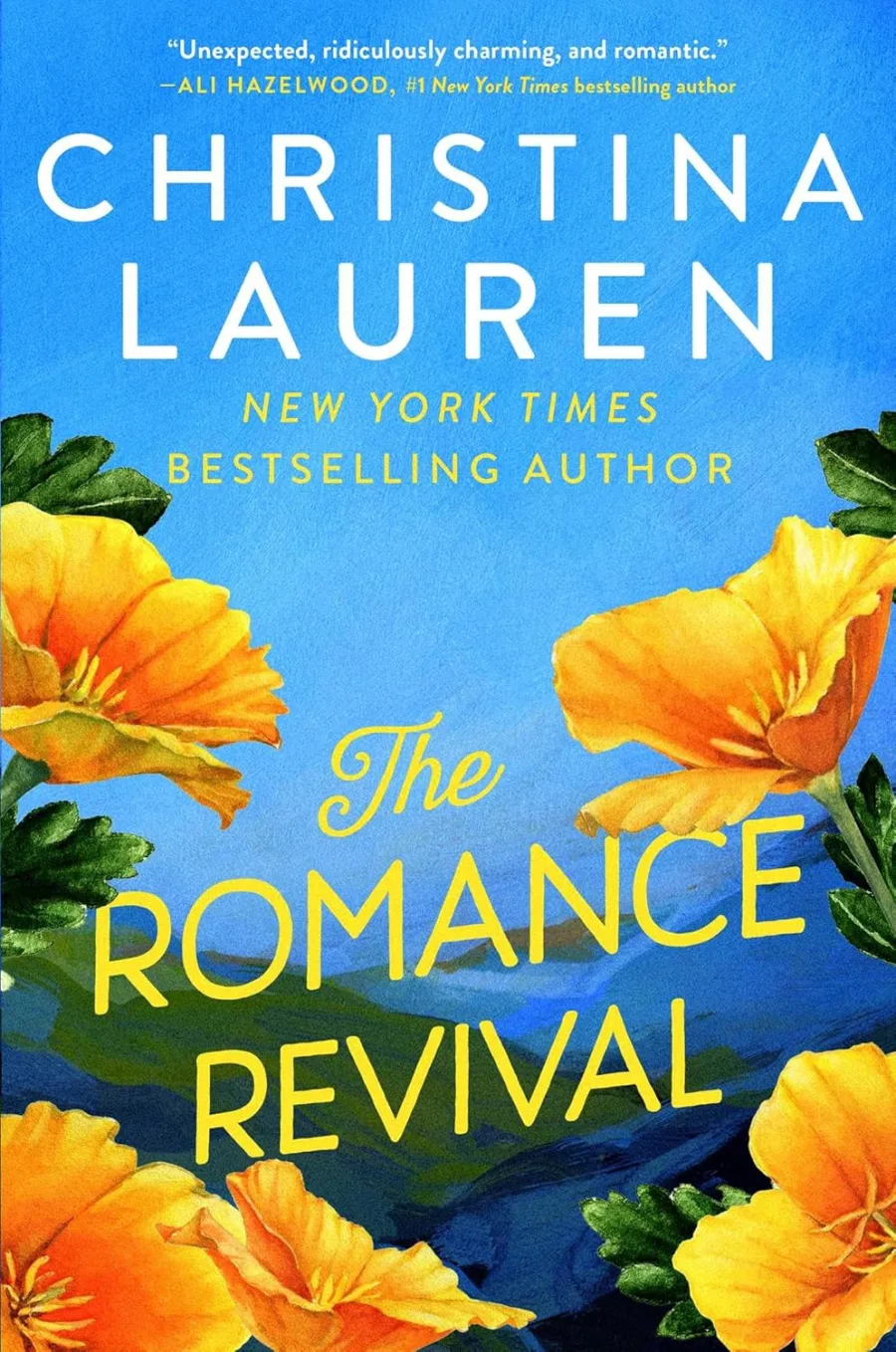
Download Cover Image
Do you want to download the full cover image for The Romance Revival?