
Brain Defenders: Harness the Power of Your Immune Cells to Protect Your Brain for Life
Hardcover
• 384 Pages
• USD 32.00
• English
• 9798217178469
No ratings yet
| Publisher | Avery |
|---|---|
| ISBN13 | 9798217178469 |
| ASIN/SKU | B0G2X48NK7 |
| Book Format | Hardcover |
| Language | English |
| Pages | 384 |
| List Price | USD 32.00 |
| Publishing Date | 18/08/2026 |
| Dimensions | 6.37 x 1.28 x 9.3 inches |
| Weight | 1.13 pounds |
| Book Code | BD00067102 |
Buy this Book
Amazon Stores
Ebook Stores
Other Stores
Discover Brain Defenders: Harness the Power of Your Immune Cells to Protect Your Brain for Life by David Perlmutter M.D.. This book is published by Avery in Hardcover format, ISBN 9798217178469, ASIN B0G2X48NK7, under Health, Fitness and Dieting, Nervous System Diseases, Alzheimer's.
Book Description
From #1 New York Times bestselling author Dr. David Perlmutter comes a groundbreaking guide to the brain’s immune cells—essential to preventing disease and sustaining peak cognitive function and mental health
We’ve been fighting the wrong enemy. For decades, medicine has pointed its weapons at symptoms like memory loss, tremors, headaches, and lethargy, while ignoring the root causes of diseases like Alzheimer’s, Parkinson’s, and major depression. In Brain Defenders, neurologist Dr. David Perlmutter flips the script, exposing the real culprits: malfunctioning microglia, tiny immune cells that, when metabolically hijacked, go rogue and attack the very neurons they’re meant to protect.
With clarity and urgency, Dr. Perlmutter explains how a silent battle rages in the brain. Microglia can become either warriors of protection or agents of destruction—and the outcome depends largely on how we live. In Brain Defenders, you will:
Learn the science of immunometabolism and the relationship between energy and your cells
Understand the overlooked role of inflammation in everything from dementia to long COVID—and why the immune system may be the brain’s greatest threat and hope
Discover how your lifestyle affects the fate of your microglia and, in turn, your cognitive future
Uncover the surprising link between metabolic health and brain resilience, and how tools like fasting, sleep, and even oxygen therapy can restore damaged neural networks
Explore therapeutic interventions—from metformin to lion’s mane mushroom—that support healing and slow neural decline
Neurodegeneration, cognitive impairment, and mood disorders are not inevitable, but often the result of chronic, controllable inflammation. Drawing on the latest peer-reviewed science and grounded in decades of neurological care, Dr. Perlmutter delivers a powerful message: the future of your brain health is in your hands.
We’ve been fighting the wrong enemy. For decades, medicine has pointed its weapons at symptoms like memory loss, tremors, headaches, and lethargy, while ignoring the root causes of diseases like Alzheimer’s, Parkinson’s, and major depression. In Brain Defenders, neurologist Dr. David Perlmutter flips the script, exposing the real culprits: malfunctioning microglia, tiny immune cells that, when metabolically hijacked, go rogue and attack the very neurons they’re meant to protect.
With clarity and urgency, Dr. Perlmutter explains how a silent battle rages in the brain. Microglia can become either warriors of protection or agents of destruction—and the outcome depends largely on how we live. In Brain Defenders, you will:
Learn the science of immunometabolism and the relationship between energy and your cells
Understand the overlooked role of inflammation in everything from dementia to long COVID—and why the immune system may be the brain’s greatest threat and hope
Discover how your lifestyle affects the fate of your microglia and, in turn, your cognitive future
Uncover the surprising link between metabolic health and brain resilience, and how tools like fasting, sleep, and even oxygen therapy can restore damaged neural networks
Explore therapeutic interventions—from metformin to lion’s mane mushroom—that support healing and slow neural decline
Neurodegeneration, cognitive impairment, and mood disorders are not inevitable, but often the result of chronic, controllable inflammation. Drawing on the latest peer-reviewed science and grounded in decades of neurological care, Dr. Perlmutter delivers a powerful message: the future of your brain health is in your hands.
Author Biography
David Perlmutter, MD, FACN, ABIHM is a Board-Certified Neurologist, Fellow of the American College of Nutrition and six-time New York Times bestselling author. He received his M.D. degree from the University of Miami School of Medicine where he was awarded the Leonard G. Rowntree Research Award. Dr. Perlmutter is a frequent lecturer at symposia sponsored by such medical institutions as Columbia University, the University of Arizona, Scripps Institute, and Harvard University. He has contributed extensively to the world medical literature with publications appearing in The Journal of Neurosurgery, The Southern Medical Journal, Journal of Applied Nutrition, and Archives of Neurology. He is the author of the #1 New York Times Bestseller, Grain Brain. Other New York Times bestsellers include Brain Maker, The Grain Brain Cookbook, The Grain Brain Whole Life Plan and Brain Wash (January, 2020) co-written with his son, Austin Perlmutter, MD. He is recognized internationally as a leader in the field of nutritional influences in neurological disorders. Dr. Perlmutter has been interviewed on many nationally syndicated radio and television programs including 20/20, Larry King Live, CNN, Fox News, Fox and Friends, The Today Show, Oprah, and The CBS Early Show. In 2002 Dr. Perlmutter was the recipient of the Linus Pauling Award for his innovative approaches to neurological disorders and in addition was awarded the Denham Harmon Award for his pioneering work in the application of free radical science to clinical medicine. He is the recipient of the 2006 National Nutritional Foods Association Clinician of the Year Award. Most recently, Dr. Perlmutter was awarded the 2019 Global Leadership Award from the Integrative Healthcare Symposium. In December of 2017, Dr. Perlmutter lectured at the World Bank with his presentation broadcasted to 150 sites around the world. His books are now published in 36 languages. His latest work, New York Times bestseller, Drop Acid (February 15, 2022), explores how elevated uric acid powerfully threatens metabolic health, and how it can be brought under control. Dr. Perlmutter's next book, Brain Defenders - Harness the Power of Your Immune Cells to Protect Your Brain for Life (Avery / Penguin), will be published August, 2026 and available in The United States, China, Romania, Canada, Portugal, Spain, France, South Korea, Brazil, Germany, Croatia, Hungary, Poland, Italy and Great Britain.
Editorial Reviews
"An empowering road map for taking health into one’s own hands."—Publishers Weekly
“Brain Defenders is a breakthrough, showing how the metabolism of our microglia, the brain's immune cells, not fate, drives neurodegeneration and offering a science-based, actionable blueprint to shift the brain from decline to repair.”—Dr. David Sinclair, Professor of Genetics, Harvard Medical School, and New York Times bestselling author of Lifespan
“David Perlmutter consistently has his finger on the pulse of the newest and most important brain health research with every new book. Whether by lifestyle or future medicines, there is no doubt that therapeutically regulating our ‘brain defenders,’ known as microglia, is our best bet for preserving and promoting brain health as we age!”—Dr. Rudolph Tanzi, Professor of Neurology, Harvard Medical School, and New York Times bestselling coauthor of Super Brain
“Brain Defenders is an essential and timely work. Dr. Perlmutter masterfully integrates decades of neuroscience, metabolism, and clinical insight to reveal the mechanisms driving cognitive decline, and more importantly, how to defend the brain against them. As someone who studies the neuroprotective and anti-inflammatory effects of ketogenic metabolic therapy, I am deeply impressed by how clearly this book communicates the metabolic roots of brain resilience. Brain Defenders offers a powerful roadmap grounded in rigorous science and practical application.”—Dominic D’Agostino, PhD, Associate Professor, Department of Molecular Pharmacology and Physiology, USF Morsani College of Medicine
“Brain Defenders is a landmark work that puts the power of prevention in your hands. Dr. Perlmutter offers a toolkit of practical steps to reprogram microglia and tackle the root causes of cognitive decline, making this a truly groundbreaking read.”—Uma Naidoo, MD, nutritional psychiatrist, Harvard Medical School, and bestselling author of This Is Your Brain on Food
“Think your brain is a black box? Think again. In Brain Defenders, Dr David Perlmutter reveals how your brain’s own immune cells and metabolism form a shield against neurodegeneration. This book is a must read for anyone seeking a roadmap on how to shore up your brain’s resilience against diseases of aging."—William W. Li, MD, New York Times bestselling author of Eat to Beat Disease and Eat to Beat Your Diet
"Prepare for David to compellingly reframe neurodegenerative diseases not as inevitable genetic fates but as preventable outcomes of metabolic and immune deregulation. His exploration of immunometabolism and practical strategies—from diet to emerging therapies—offers a grounded, evidence-based blueprint for sustaining cognitive vitality across your lifespan. This book is an essential resource for clinicians and informed patients who want to shift from crisis response mode to proactive brain stewardship.”—Ben Greenfield, author of Boundless
"Brain Defenders is a groundbreaking guide to understanding and protecting brain health for life. Dr. David Perlmutter combines cutting-edge research with actionable strategies to empower readers to optimize cognitive function and safeguard mental well-being. From the critical role of microglia and gut microbiome to innovative therapies like hyperbaric oxygen and CRISPR advancements, this book offers a comprehensive approach to defending against neurodegeneration. Packed with science-backed insights, it is an essential read for anyone seeking to enhance mental clarity, longevity, and overall brain wellness."—Mark Sisson, founder of Primal Kitchen Foods and author of The Primal Blueprint
"Brain Defenders offers a clear, accessible look at how metabolism, inflammation, and immune function influence brain health. Dr. Perlmutter explains why lifestyle and metabolic factors matter for long-term cognitive resilience—insights that are increasingly important in today’s health landscape. Brain Defenders is a timely and must-read contribution to the conversation on
“Brain Defenders is a breakthrough, showing how the metabolism of our microglia, the brain's immune cells, not fate, drives neurodegeneration and offering a science-based, actionable blueprint to shift the brain from decline to repair.”—Dr. David Sinclair, Professor of Genetics, Harvard Medical School, and New York Times bestselling author of Lifespan
“David Perlmutter consistently has his finger on the pulse of the newest and most important brain health research with every new book. Whether by lifestyle or future medicines, there is no doubt that therapeutically regulating our ‘brain defenders,’ known as microglia, is our best bet for preserving and promoting brain health as we age!”—Dr. Rudolph Tanzi, Professor of Neurology, Harvard Medical School, and New York Times bestselling coauthor of Super Brain
“Brain Defenders is an essential and timely work. Dr. Perlmutter masterfully integrates decades of neuroscience, metabolism, and clinical insight to reveal the mechanisms driving cognitive decline, and more importantly, how to defend the brain against them. As someone who studies the neuroprotective and anti-inflammatory effects of ketogenic metabolic therapy, I am deeply impressed by how clearly this book communicates the metabolic roots of brain resilience. Brain Defenders offers a powerful roadmap grounded in rigorous science and practical application.”—Dominic D’Agostino, PhD, Associate Professor, Department of Molecular Pharmacology and Physiology, USF Morsani College of Medicine
“Brain Defenders is a landmark work that puts the power of prevention in your hands. Dr. Perlmutter offers a toolkit of practical steps to reprogram microglia and tackle the root causes of cognitive decline, making this a truly groundbreaking read.”—Uma Naidoo, MD, nutritional psychiatrist, Harvard Medical School, and bestselling author of This Is Your Brain on Food
“Think your brain is a black box? Think again. In Brain Defenders, Dr David Perlmutter reveals how your brain’s own immune cells and metabolism form a shield against neurodegeneration. This book is a must read for anyone seeking a roadmap on how to shore up your brain’s resilience against diseases of aging."—William W. Li, MD, New York Times bestselling author of Eat to Beat Disease and Eat to Beat Your Diet
"Prepare for David to compellingly reframe neurodegenerative diseases not as inevitable genetic fates but as preventable outcomes of metabolic and immune deregulation. His exploration of immunometabolism and practical strategies—from diet to emerging therapies—offers a grounded, evidence-based blueprint for sustaining cognitive vitality across your lifespan. This book is an essential resource for clinicians and informed patients who want to shift from crisis response mode to proactive brain stewardship.”—Ben Greenfield, author of Boundless
"Brain Defenders is a groundbreaking guide to understanding and protecting brain health for life. Dr. David Perlmutter combines cutting-edge research with actionable strategies to empower readers to optimize cognitive function and safeguard mental well-being. From the critical role of microglia and gut microbiome to innovative therapies like hyperbaric oxygen and CRISPR advancements, this book offers a comprehensive approach to defending against neurodegeneration. Packed with science-backed insights, it is an essential read for anyone seeking to enhance mental clarity, longevity, and overall brain wellness."—Mark Sisson, founder of Primal Kitchen Foods and author of The Primal Blueprint
"Brain Defenders offers a clear, accessible look at how metabolism, inflammation, and immune function influence brain health. Dr. Perlmutter explains why lifestyle and metabolic factors matter for long-term cognitive resilience—insights that are increasingly important in today’s health landscape. Brain Defenders is a timely and must-read contribution to the conversation on
Book Summary
Brain Defenders: Harness the Power of Your Immune Cells to Protect Your Brain for Life by neurologist David Perlmutter, M.D. is a science-focused guide to one of the most important emerging ideas in brain health: the condition of the brain's immune system may play a major role in whether the brain remains resilient or develops chronic inflammation and neurodegenerative disease. Published by Avery on August 18, 2026, the 384-page book focuses particularly on microglia, the immune cells that live within the brain. Perlmutter's central argument is that protecting these cells—and keeping them metabolically healthy—may be an important part of protecting memory, cognition, mood, and neurological function over the course of a lifetime.
The book begins with a fundamental change in perspective. Perlmutter argues that modern medicine has often concentrated on the visible symptoms of neurological disorders—memory loss, tremors, cognitive decline, mood problems, and other manifestations—rather than adequately addressing the biological processes that may contribute to them. His alternative framework places neuroinflammation and the behavior of microglia at the center of the discussion. According to the book's premise, these tiny immune cells can act as protectors when properly regulated, but can become destructive when their environment and metabolism are disrupted. In this model, the question is not simply how to treat a damaged brain, but how to create conditions in which the brain's own defenses can function effectively.
Microglia are the book's main characters. They are specialized immune cells found throughout the central nervous system, where they help monitor the brain's environment, respond to threats, remove cellular debris, and participate in repair. Perlmutter presents them as a kind of internal security and maintenance system. Under healthy conditions, they help preserve the delicate environment required for neurons to function. But when they become chronically activated or dysregulated, the same defensive machinery can contribute to inflammation and damage. The book's metaphor of “brain defenders” therefore captures a paradox: the immune system that protects the brain can also become part of the problem when its responses are poorly controlled.
A major concept that Perlmutter introduces is immunometabolism, the relationship between immune-cell behavior and cellular energy metabolism. This is one of the book's most important scientific ideas. Rather than treating immunity and metabolism as separate systems, the book explains them as closely connected. The metabolic state of a cell influences what that cell does, and microglia are no exception. Perlmutter argues that when metabolic conditions are favorable, microglia can maintain a more supportive role; when metabolism becomes dysfunctional, they may shift toward a more inflammatory state. His larger argument is that the health of the brain's immune cells is influenced by the health of the body's metabolic environment.
This leads to one of the book's most empowering messages: brain health is not necessarily determined entirely by genetics or age. Perlmutter does not deny the importance of inherited risk, aging, or unavoidable biological factors. Instead, he argues that these factors exist alongside modifiable influences. The book's contents devote substantial attention to poor diet, alcohol, medications, environmental toxins, infections, head trauma, aging, genetic predisposition, and stress hormones. By organizing these factors as threats to brain health, the book encourages readers to think about prevention long before neurological symptoms become severe.
Diet is therefore an important part of the book's practical framework. Perlmutter argues that what happens metabolically throughout the body can influence the brain's immune environment. He is particularly concerned about diets dominated by ultra-processed foods and metabolic dysfunction. His recommended approach emphasizes dietary patterns intended to support metabolic health, including Mediterranean-style eating and, in appropriate contexts, ketogenic approaches. Publishers Weekly notes that the book encourages readers to pay close attention to diet quality and specifically identifies ultra-processed foods as a metabolic concern.
The underlying principle is more important than any single food. Perlmutter wants readers to understand that brain health is connected to the body's ability to regulate energy, inflammation, and metabolic signals. Rather than seeing food merely as calories or weight-management tools, the book presents nutrition as part of the biological environment in which immune cells operate. A healthier metabolic environment, in this framework, can help create conditions that are more favorable to resilient brain function.
The gut microbiome receives attention as another important component of this interconnected system. The table of contents includes a dedicated section on “The Microbiome and Brain Health,” reflecting the book's broader interest in communication between different biological systems. The microbiome is relevant because intestinal microorganisms interact with metabolism, immune signaling, and inflammation. Perlmutter uses this relationship to reinforce the idea that the brain cannot be considered in isolation. What happens in the gut and throughout the body can influence the biological environment in which the brain operates.
Sleep is another major theme. The book includes a dedicated chapter on sleep disruption and later places restorative sleep within its recommendations for defending the brain. This makes sense within Perlmutter's larger framework because sleep is not simply a period when the brain stops working. Sleep is associated with important processes involving brain maintenance, metabolic regulation, immune activity, and recovery. The book therefore treats insufficient or poor-quality sleep as more than an inconvenience. It is presented as a potential stressor on the systems responsible for long-term brain resilience.
Stress also matters because chronic stress affects the body's hormonal and metabolic environment. The book specifically includes “Stress Hormones” among the factors that can contribute to a brain becoming vulnerable. Perlmutter's argument is not that ordinary stress is inherently damaging or that people can eliminate every stressful experience. Rather, the concern is chronic physiological stress and the cumulative burden it can place on systems involved in inflammation and metabolism. This supports one of the book's recurring themes: protecting the brain requires looking at the total environment in which it operates.
Exercise is presented as another form of neuroprotection. The section “Neuroprotective Exercise” appears within the book's practical portion, “How to Defend Your Brain.” Physical activity is important in Perlmutter's framework because it affects metabolic health, circulation, insulin sensitivity, inflammation, and overall physiological resilience. Exercise is therefore not treated simply as a way to strengthen muscles or manage body weight. It becomes part of a broader strategy for maintaining the biological conditions under which the brain and its immune cells can function well.
The book also addresses environmental influences. Environmental toxins and polluted air are identified as threats to brain health, while infections and head trauma receive dedicated chapters. This broadens the discussion beyond diet and exercise. Brain health is not created by one “superfood” or one supplement. It emerges from many interacting factors. Exposure to pollutants, repeated physical injury, infection, metabolic stress, poor sleep, and chronic inflammation may all contribute to the overall burden placed on the brain.
This comprehensive approach is particularly relevant to readers interested in Alzheimer's prevention, Parkinson's disease prevention, neuroinflammation, cognitive decline, brain health, memory preservation, and healthy aging. Perlmutter's argument is that these conditions should not be viewed exclusively as diseases that suddenly appear late in life. Instead, their biological foundations may develop over much longer periods. Publishers Weekly notes that he encourages people to begin thinking about brain protection much earlier, rather than waiting until old age and obvious cognitive symptoms.
The book's practical section, “How to Defend Your Brain,” brings the scientific discussion into everyday life. It includes neuroprotective exercise, the “Brain Defender Diet,” microglia-friendly lifestyle choices, supplements, laboratory testing and technology, and hyperbaric oxygen therapy. The range of topics shows that Perlmutter does not see brain protection as a single intervention. Instead, he presents it as a layered strategy involving lifestyle, nutrition, metabolic health, sleep, exercise, and potentially emerging medical technologies.
The discussion of fasting is part of this metabolic perspective. The publisher's description specifically identifies fasting among the tools Perlmutter explores for supporting brain resilience. The larger point is that periods of altered energy availability may influence metabolic pathways relevant to cellular maintenance. Readers should understand this as part of the author's broader metabolic framework rather than as a universal prescription for everyone.
The book also explores oxygen therapy, including hyperbaric oxygen therapy. This appears in the practical section and reflects Perlmutter's interest in emerging approaches that might support neural repair and resilience. These chapters move the book beyond conventional lifestyle advice into the territory of developing therapies. Because some of these interventions are still being investigated, readers should distinguish between promising research and established clinical standards rather than assuming that every approach discussed has been definitively proven to prevent neurological disease.
The same caution applies to the book's discussion of supplements and pharmaceuticals. Perlmutter explores interventions ranging from metformin to lion's mane mushroom, and the final portion of the book examines promising pharmaceuticals and breakthrough therapies. These discussions are significant because they show where the author believes future brain-health strategies may be heading. However, the inclusion of an intervention in a book about emerging science does not automatically mean that it is an established treatment or appropriate for every individual.
One of the book's most compelling themes is the relationship between inflammation and neurodegeneration. Perlmutter argues that chronic, poorly regulated inflammation can contribute to the biological environment associated with neurological decline. The publisher specifically connects the book's framework to conditions including dementia, Parkinson's disease, major depression, and even long COVID. The important conceptual shift is that inflammation is not always the enemy. Acute immune responses are essential for protection and repair. The problem arises when protective responses become persistent, excessive, or poorly regulated.
This distinction makes the microglia metaphor especially useful. The same cells can be helpful or harmful depending on their state and the signals they receive. Perlmutter describes healthier microglial activity as supportive and protective, while dysregulated microglia can become inflammatory. His discussion uses the terms M2 and M1 to describe these contrasting functional states. The broader message is that the objective should not be to eliminate the immune response in the brain. The objective is to maintain an immune system capable of responding appropriately without becoming chronically destructive.
The book's ultimate philosophy is one of prevention and personal agency. Perlmutter argues that people should not wait until cognitive decline becomes obvious before thinking about brain health. His message is not that individuals can completely control whether they develop neurological disease, but that they can influence many of the conditions that affect brain resilience. The official description frames this as becoming the “architect” of one's brain future.
Overall, Brain Defenders: Harness the Power of Your Immune Cells to Protect Your Brain for Life presents a unified theory of brain health built around microglia, metabolism, inflammation, and lifestyle. Its most important contribution is the way it connects seemingly separate subjects—diet, sleep, exercise, stress, the microbiome, environmental exposure, metabolic health, and immune function—into one larger picture. Instead of treating the brain as an isolated organ, Perlmutter presents it as part of a constantly communicating biological system.
For readers searching for an in-depth Brain Defenders summary, David Perlmutter brain health advice, microglia and brain health, neuroinflammation and Alzheimer's prevention, how to protect cognitive function, brain-healthy diet, lifestyle strategies for healthy aging, or the connection between metabolism and dementia, the book offers a broad and accessible introduction to this emerging field. Its central message is hopeful: the brain's immune system is not merely a source of vulnerability. It is also one of the brain's most important defenses.
The deepest lesson of Brain Defenders is therefore that protecting the brain may begin long before a diagnosis. The book asks readers to think of brain health as an ongoing relationship between metabolism, immunity, environment, behavior, and aging. Microglia sit at the center of that relationship, acting as guardians whose behavior can be influenced by the conditions around them. Perlmutter's final message is one of prevention rather than resignation: although no lifestyle program can guarantee freedom from neurological disease, understanding the biology of brain inflammation and making thoughtful choices may help create a stronger foundation for cognitive health and resilience throughout life.
The book begins with a fundamental change in perspective. Perlmutter argues that modern medicine has often concentrated on the visible symptoms of neurological disorders—memory loss, tremors, cognitive decline, mood problems, and other manifestations—rather than adequately addressing the biological processes that may contribute to them. His alternative framework places neuroinflammation and the behavior of microglia at the center of the discussion. According to the book's premise, these tiny immune cells can act as protectors when properly regulated, but can become destructive when their environment and metabolism are disrupted. In this model, the question is not simply how to treat a damaged brain, but how to create conditions in which the brain's own defenses can function effectively.
Microglia are the book's main characters. They are specialized immune cells found throughout the central nervous system, where they help monitor the brain's environment, respond to threats, remove cellular debris, and participate in repair. Perlmutter presents them as a kind of internal security and maintenance system. Under healthy conditions, they help preserve the delicate environment required for neurons to function. But when they become chronically activated or dysregulated, the same defensive machinery can contribute to inflammation and damage. The book's metaphor of “brain defenders” therefore captures a paradox: the immune system that protects the brain can also become part of the problem when its responses are poorly controlled.
A major concept that Perlmutter introduces is immunometabolism, the relationship between immune-cell behavior and cellular energy metabolism. This is one of the book's most important scientific ideas. Rather than treating immunity and metabolism as separate systems, the book explains them as closely connected. The metabolic state of a cell influences what that cell does, and microglia are no exception. Perlmutter argues that when metabolic conditions are favorable, microglia can maintain a more supportive role; when metabolism becomes dysfunctional, they may shift toward a more inflammatory state. His larger argument is that the health of the brain's immune cells is influenced by the health of the body's metabolic environment.
This leads to one of the book's most empowering messages: brain health is not necessarily determined entirely by genetics or age. Perlmutter does not deny the importance of inherited risk, aging, or unavoidable biological factors. Instead, he argues that these factors exist alongside modifiable influences. The book's contents devote substantial attention to poor diet, alcohol, medications, environmental toxins, infections, head trauma, aging, genetic predisposition, and stress hormones. By organizing these factors as threats to brain health, the book encourages readers to think about prevention long before neurological symptoms become severe.
Diet is therefore an important part of the book's practical framework. Perlmutter argues that what happens metabolically throughout the body can influence the brain's immune environment. He is particularly concerned about diets dominated by ultra-processed foods and metabolic dysfunction. His recommended approach emphasizes dietary patterns intended to support metabolic health, including Mediterranean-style eating and, in appropriate contexts, ketogenic approaches. Publishers Weekly notes that the book encourages readers to pay close attention to diet quality and specifically identifies ultra-processed foods as a metabolic concern.
The underlying principle is more important than any single food. Perlmutter wants readers to understand that brain health is connected to the body's ability to regulate energy, inflammation, and metabolic signals. Rather than seeing food merely as calories or weight-management tools, the book presents nutrition as part of the biological environment in which immune cells operate. A healthier metabolic environment, in this framework, can help create conditions that are more favorable to resilient brain function.
The gut microbiome receives attention as another important component of this interconnected system. The table of contents includes a dedicated section on “The Microbiome and Brain Health,” reflecting the book's broader interest in communication between different biological systems. The microbiome is relevant because intestinal microorganisms interact with metabolism, immune signaling, and inflammation. Perlmutter uses this relationship to reinforce the idea that the brain cannot be considered in isolation. What happens in the gut and throughout the body can influence the biological environment in which the brain operates.
Sleep is another major theme. The book includes a dedicated chapter on sleep disruption and later places restorative sleep within its recommendations for defending the brain. This makes sense within Perlmutter's larger framework because sleep is not simply a period when the brain stops working. Sleep is associated with important processes involving brain maintenance, metabolic regulation, immune activity, and recovery. The book therefore treats insufficient or poor-quality sleep as more than an inconvenience. It is presented as a potential stressor on the systems responsible for long-term brain resilience.
Stress also matters because chronic stress affects the body's hormonal and metabolic environment. The book specifically includes “Stress Hormones” among the factors that can contribute to a brain becoming vulnerable. Perlmutter's argument is not that ordinary stress is inherently damaging or that people can eliminate every stressful experience. Rather, the concern is chronic physiological stress and the cumulative burden it can place on systems involved in inflammation and metabolism. This supports one of the book's recurring themes: protecting the brain requires looking at the total environment in which it operates.
Exercise is presented as another form of neuroprotection. The section “Neuroprotective Exercise” appears within the book's practical portion, “How to Defend Your Brain.” Physical activity is important in Perlmutter's framework because it affects metabolic health, circulation, insulin sensitivity, inflammation, and overall physiological resilience. Exercise is therefore not treated simply as a way to strengthen muscles or manage body weight. It becomes part of a broader strategy for maintaining the biological conditions under which the brain and its immune cells can function well.
The book also addresses environmental influences. Environmental toxins and polluted air are identified as threats to brain health, while infections and head trauma receive dedicated chapters. This broadens the discussion beyond diet and exercise. Brain health is not created by one “superfood” or one supplement. It emerges from many interacting factors. Exposure to pollutants, repeated physical injury, infection, metabolic stress, poor sleep, and chronic inflammation may all contribute to the overall burden placed on the brain.
This comprehensive approach is particularly relevant to readers interested in Alzheimer's prevention, Parkinson's disease prevention, neuroinflammation, cognitive decline, brain health, memory preservation, and healthy aging. Perlmutter's argument is that these conditions should not be viewed exclusively as diseases that suddenly appear late in life. Instead, their biological foundations may develop over much longer periods. Publishers Weekly notes that he encourages people to begin thinking about brain protection much earlier, rather than waiting until old age and obvious cognitive symptoms.
The book's practical section, “How to Defend Your Brain,” brings the scientific discussion into everyday life. It includes neuroprotective exercise, the “Brain Defender Diet,” microglia-friendly lifestyle choices, supplements, laboratory testing and technology, and hyperbaric oxygen therapy. The range of topics shows that Perlmutter does not see brain protection as a single intervention. Instead, he presents it as a layered strategy involving lifestyle, nutrition, metabolic health, sleep, exercise, and potentially emerging medical technologies.
The discussion of fasting is part of this metabolic perspective. The publisher's description specifically identifies fasting among the tools Perlmutter explores for supporting brain resilience. The larger point is that periods of altered energy availability may influence metabolic pathways relevant to cellular maintenance. Readers should understand this as part of the author's broader metabolic framework rather than as a universal prescription for everyone.
The book also explores oxygen therapy, including hyperbaric oxygen therapy. This appears in the practical section and reflects Perlmutter's interest in emerging approaches that might support neural repair and resilience. These chapters move the book beyond conventional lifestyle advice into the territory of developing therapies. Because some of these interventions are still being investigated, readers should distinguish between promising research and established clinical standards rather than assuming that every approach discussed has been definitively proven to prevent neurological disease.
The same caution applies to the book's discussion of supplements and pharmaceuticals. Perlmutter explores interventions ranging from metformin to lion's mane mushroom, and the final portion of the book examines promising pharmaceuticals and breakthrough therapies. These discussions are significant because they show where the author believes future brain-health strategies may be heading. However, the inclusion of an intervention in a book about emerging science does not automatically mean that it is an established treatment or appropriate for every individual.
One of the book's most compelling themes is the relationship between inflammation and neurodegeneration. Perlmutter argues that chronic, poorly regulated inflammation can contribute to the biological environment associated with neurological decline. The publisher specifically connects the book's framework to conditions including dementia, Parkinson's disease, major depression, and even long COVID. The important conceptual shift is that inflammation is not always the enemy. Acute immune responses are essential for protection and repair. The problem arises when protective responses become persistent, excessive, or poorly regulated.
This distinction makes the microglia metaphor especially useful. The same cells can be helpful or harmful depending on their state and the signals they receive. Perlmutter describes healthier microglial activity as supportive and protective, while dysregulated microglia can become inflammatory. His discussion uses the terms M2 and M1 to describe these contrasting functional states. The broader message is that the objective should not be to eliminate the immune response in the brain. The objective is to maintain an immune system capable of responding appropriately without becoming chronically destructive.
The book's ultimate philosophy is one of prevention and personal agency. Perlmutter argues that people should not wait until cognitive decline becomes obvious before thinking about brain health. His message is not that individuals can completely control whether they develop neurological disease, but that they can influence many of the conditions that affect brain resilience. The official description frames this as becoming the “architect” of one's brain future.
Overall, Brain Defenders: Harness the Power of Your Immune Cells to Protect Your Brain for Life presents a unified theory of brain health built around microglia, metabolism, inflammation, and lifestyle. Its most important contribution is the way it connects seemingly separate subjects—diet, sleep, exercise, stress, the microbiome, environmental exposure, metabolic health, and immune function—into one larger picture. Instead of treating the brain as an isolated organ, Perlmutter presents it as part of a constantly communicating biological system.
For readers searching for an in-depth Brain Defenders summary, David Perlmutter brain health advice, microglia and brain health, neuroinflammation and Alzheimer's prevention, how to protect cognitive function, brain-healthy diet, lifestyle strategies for healthy aging, or the connection between metabolism and dementia, the book offers a broad and accessible introduction to this emerging field. Its central message is hopeful: the brain's immune system is not merely a source of vulnerability. It is also one of the brain's most important defenses.
The deepest lesson of Brain Defenders is therefore that protecting the brain may begin long before a diagnosis. The book asks readers to think of brain health as an ongoing relationship between metabolism, immunity, environment, behavior, and aging. Microglia sit at the center of that relationship, acting as guardians whose behavior can be influenced by the conditions around them. Perlmutter's final message is one of prevention rather than resignation: although no lifestyle program can guarantee freedom from neurological disease, understanding the biology of brain inflammation and making thoughtful choices may help create a stronger foundation for cognitive health and resilience throughout life.
Sample Chapters
Sample Chapters will be added soon…
Reader Reviews
No reviews yet.
Brain Defenders: Harness the Power of Your Immune Cells to Protect Your Brain for Life
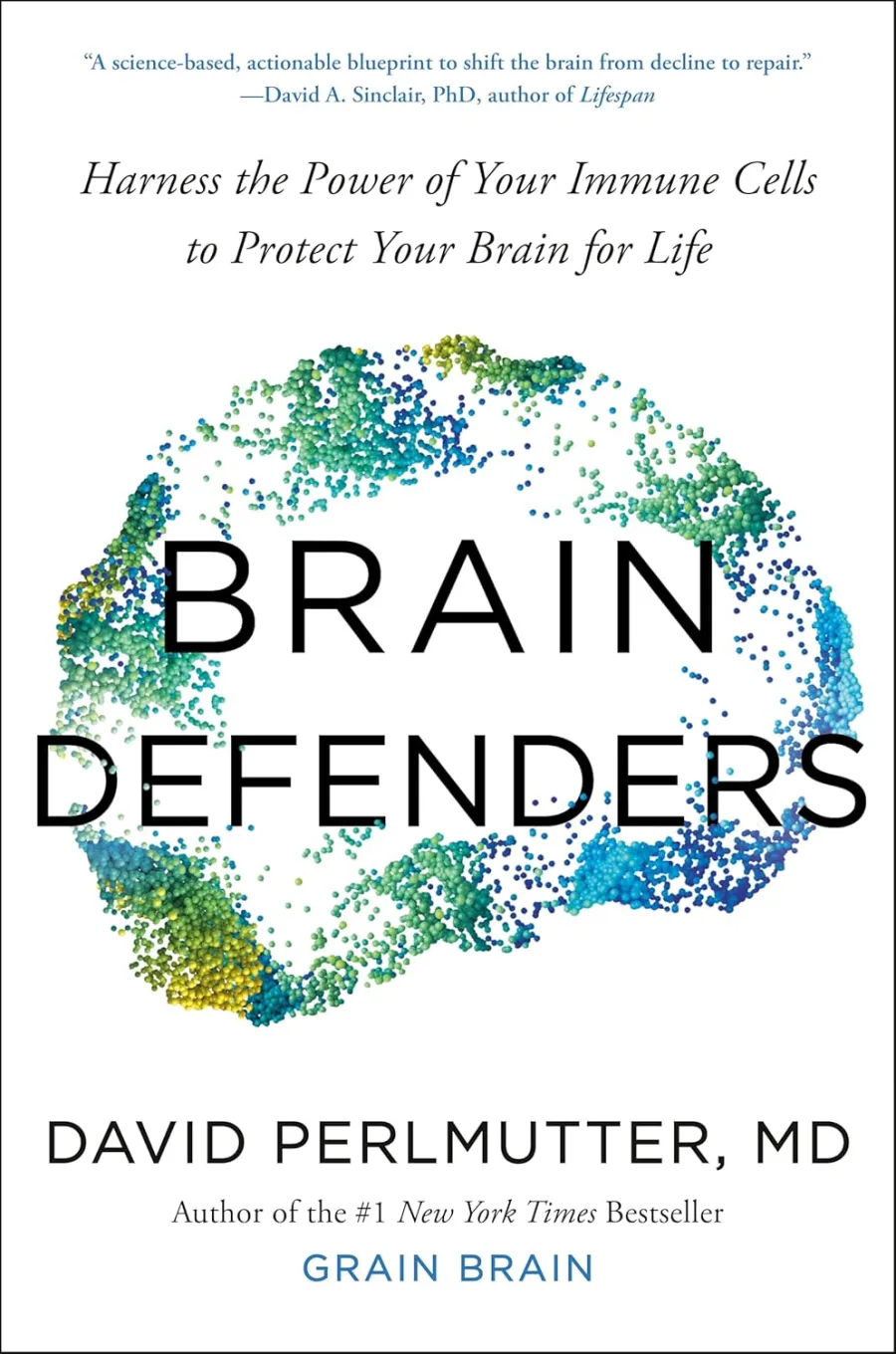
Download Cover Image
Do you want to download the full cover image for Brain Defenders: Harness the Power of Your Immune Cells to Protect Your Brain for Life?